Background
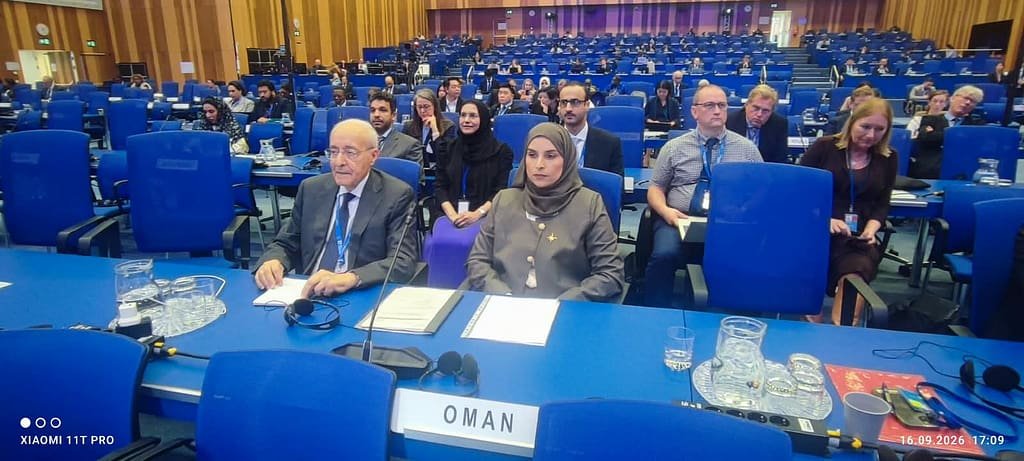
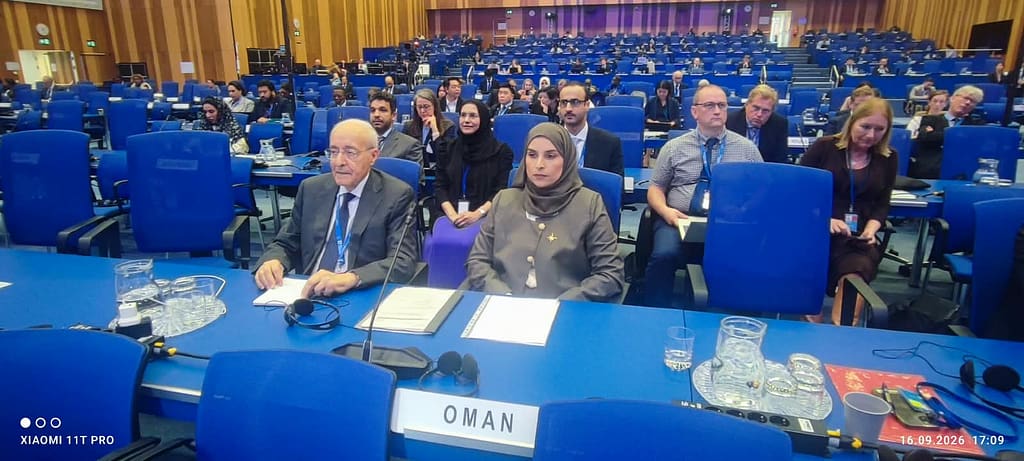
Reporting in a government statement, The statement, delivered by Faiza Saif Al Siyabi, Chargé d’Affaires of the Permanent Mission of the Sultanate of Oman to the IAEA, was presented at the 70th session of the IAEA General Conference in Vienna, Austria. This event represents a continuation of Oman’s established relationship with the Agency, dating back to its membership. The statement outlined Oman’s ongoing commitment to fulfilling its obligations under the Treaty on the Non-Proliferation of Nuclear Weapons. The 70th session of the IAEA General Conference is a significant multilateral forum for the IAEA’s member states to discuss and advance the Agency’s mission.
Analysis
Oman’s renewed emphasis on participation in initiatives such as Atoms4Food, GloWAL, and SSAC/SRA support demonstrates a strategic alignment with global efforts to leverage nuclear technology for development. The expressed interest in hosting regional training courses – specifically on cyclotron production and genomics – indicates a deliberate investment in building domestic technical expertise. This approach aims to bolster Oman’s capabilities across multiple sectors, including food safety, public health, and scientific research. The ongoing accreditation of the Sultan Qaboos Comprehensive Cancer Care and Research Centre by Joint Commission International highlights a commitment to international standards of patient safety and quality of care, further strengthening the Centre’s role as a reference centre within the IAEA network.
Implications
Oman’s commitment to technical cooperation has significant implications for regional stability, particularly concerning nuclear security and peaceful applications. The focus on training and capacity building could facilitate knowledge transfer and contribute to the broader goal of non-proliferation by strengthening safeguards and regulatory frameworks within participating countries. Oman’s involvement in the United Nations Conference on the Establishment of a Middle East Zone Free of Nuclear Weapons and Other Weapons of Mass Destruction underscores its continued advocacy for a multilateral approach to disarmament. This reinforces Oman’s position as a key actor in regional diplomacy and security discussions.
Outlook
Should the visit yield further agreements on technical cooperation projects, Oman’s engagement with the IAEA will likely expand. If the regional training courses are successfully implemented, it could create a network of trained professionals across the Arab world. Should the assessment of radiotherapy services at the Royal Hospital conclude positively, it would represent a significant step in modernizing healthcare infrastructure and improving patient outcomes. The continued pursuit of a gradual, practical approach to regional disarmament, as articulated by Oman, will be contingent on ongoing dialogue and consensus-building among regional stakeholders.
Conclusion
Oman’s consistent reaffirmation of cooperation with the IAEA highlights a sustained commitment to utilizing nuclear technology for peaceful development purposes. The question remains whether this sustained engagement will translate into tangible advancements in regional capacity building and contribute to broader efforts toward nuclear security and disarmament in the Middle East.