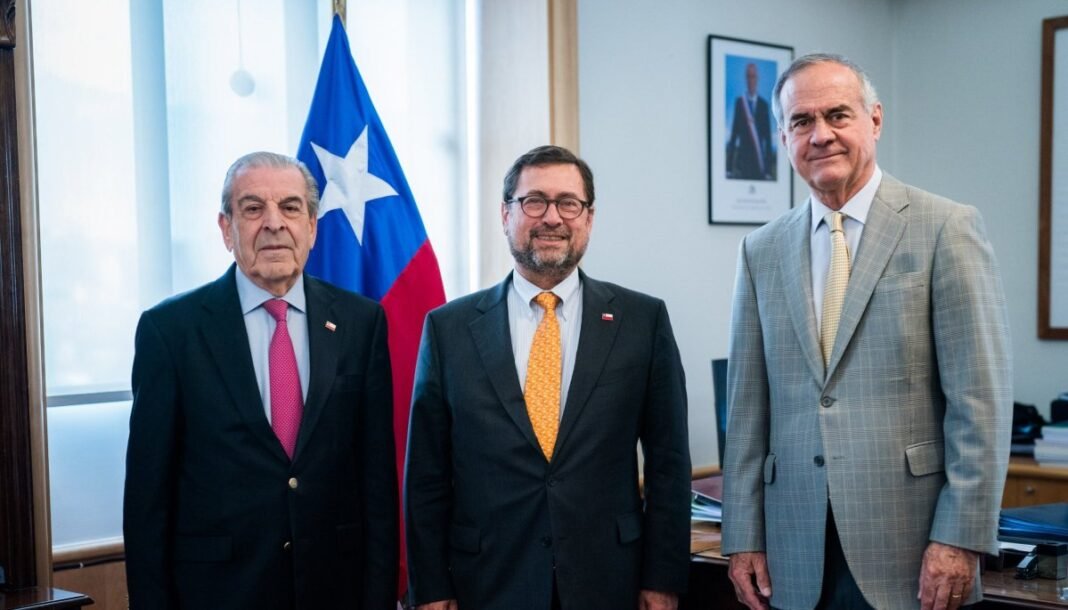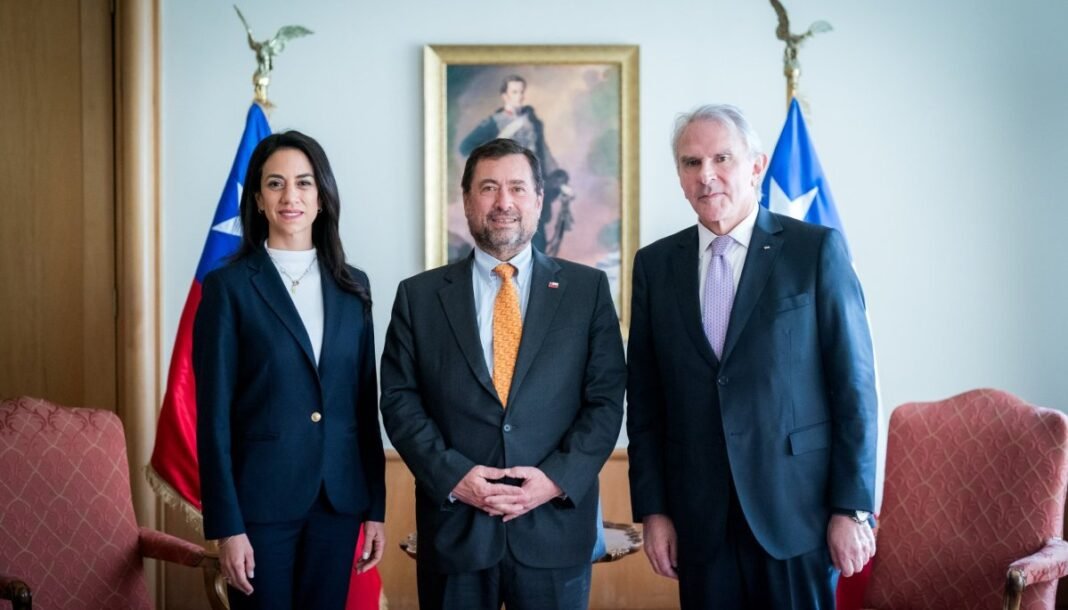
Reporting in a government statement, Colombia will present its updated foreign policy guidelines to the international community during the 81st Session of the United Nations General Assembly, taking place in New York from September 22nd to 28th. According to a statement released by the Ministry of Foreign Affairs, this presentation, led by Minister Omar Bula and Vice President José Manuel Restrepo, is intended to strengthen the country’s position, promote economic growth, safeguard national interests, and bolster strategic alliances. This marks a significant step in Colombia’s diplomatic strategy, particularly as the UN General Assembly’s theme – “Restoring Trust and Managing Transformation for the United Nations to Deliver Results for All” – underscores the government’s focus on multilateral solutions to global challenges.

Background
The Colombian delegation’s participation aligns with the government’s call to reinforce the multilateral institutional architecture to respond more effectively to contemporary challenges. The 81st Session of the UN General Assembly serves as a platform for nations to address pressing issues, including the need for improved international organization functionality and strengthened state cooperation, objectives explicitly stated in the Ministry’s announcement. The government’s approach is framed within the context of the Assembly’s established theme, suggesting a deliberate strategy to contribute to broader discussions on global governance.
Analysis
Colombia’s stated priorities – promoting trade and attracting investment, strengthening security and defending national interests, fostering innovation and digital transformation, and rebuilding strategic alliances – reveal a cautious, results-oriented diplomatic strategy. The emphasis on “trade and attracting investment” suggests an attempt to mitigate the impact of economic headwinds within the country, while the focus on “security and defending national interests” reflects ongoing concerns regarding internal security and territorial disputes. The inclusion of “innovation, technology, and the digital transformation” indicates a recognition of the importance of technological advancement in fostering economic growth, aligning with global trends. Finally, the prioritization of “reconstructing and strengthening strategic alliances” signals a desire to diversify Colombia’s international partnerships and enhance its geopolitical influence. Notably, the statement does not address Colombia’s engagement with regional trade agreements, nor does it mention any specific initiatives related to resource extraction or its participation in international forums like BRICS. This suggests a deliberate, if understated, approach to broader global economic and political developments.
Implications
Colombia’s presentation at the UN General Assembly carries significant implications for regional stability and international trade. The government’s commitment to strengthening alliances could potentially reshape Colombia’s relationships with key regional partners, particularly within the framework of the Andean Community. Furthermore, the emphasis on attracting foreign investment could influence trade patterns and economic flows within the region. However, the success of these efforts hinges on Colombia’s ability to address internal challenges, including security concerns and economic inequality. Should the visit yield positive outcomes in terms of securing international investment, it would represent a crucial step in Colombia’s economic recovery.
Outlook
If the government’s stated objectives are successfully implemented, Colombia could position itself as a key player in promoting regional stability and fostering economic growth. Should Colombia secure increased foreign investment, it could contribute to job creation and economic diversification. However, if the country continues to grapple with internal security challenges and economic instability, the impact of this diplomatic effort could be limited. Furthermore, should the government prioritize strengthening alliances over addressing domestic challenges, it risks exacerbating existing inequalities and undermining its credibility on the international stage.