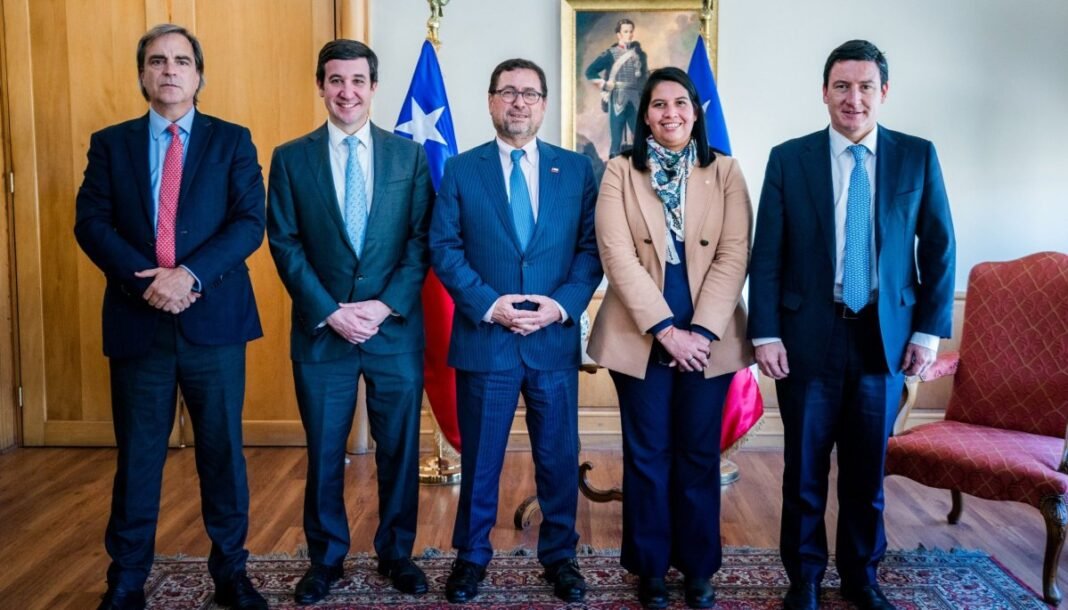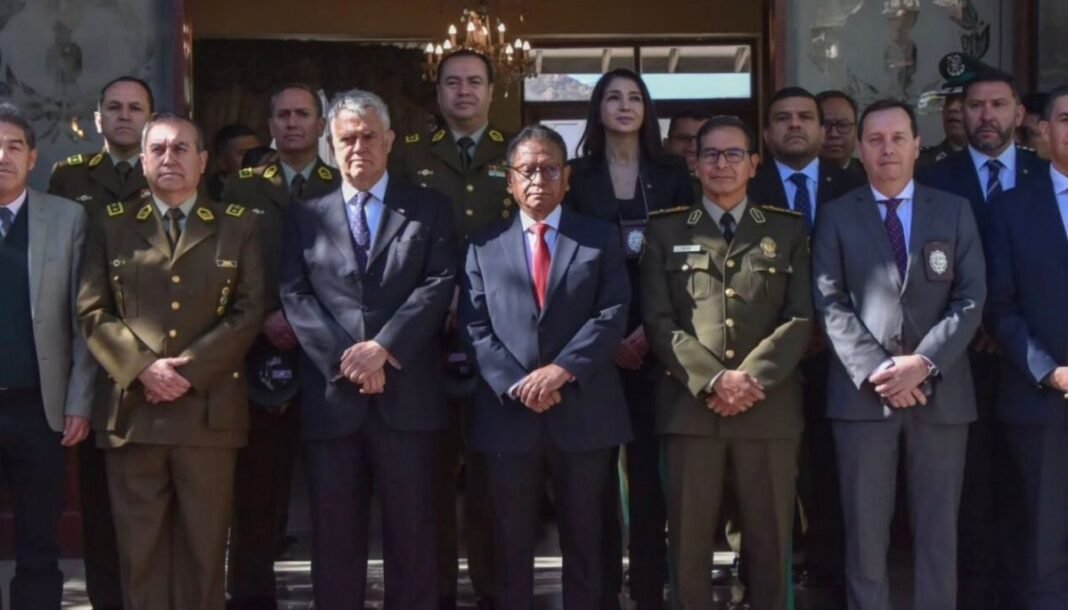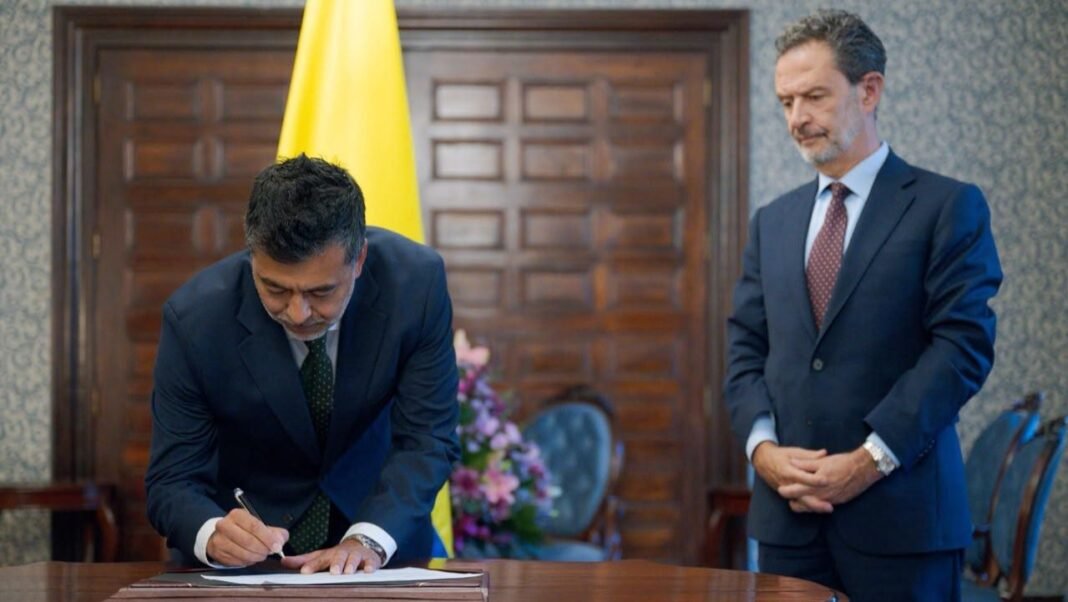
Bogotá D.C., August 27, 2026. Minister of Foreign Affairs, Omar Andrés Bula Escobar, has appointed Lieutenant Colonel (r) José Luis Castañeda Tiria as Director General of Migration Colombia. (Read the full statement.)

This entity, affiliated with the Ministry of Foreign Affairs, is responsible for surveillance and control of migration within the national territory. The statement does not address the size or budget of this organization.
Background
Lieutenant Colonel (r) Castañeda Tiria’s prior experience centers on strategic intelligence, public safety, and dismantling criminal networks. This profile responds directly to the current regional landscape: a complex border dynamic demanding swift institutional responses. The statement does not mention any previous leadership roles within the Migration Colombia agency.
The new director’s management will focus on transforming Migration Colombia into a modern, efficient, and technologically aligned organization, in line with national government policies and international agreements. According to the Director General, José Luis Castañeda Tiria, the new direction will develop a strategy based on strengthening institutional capabilities through three priority lines of action: infrastructure, technological capabilities, and cutting-edge equipment.
The plan also prioritizes human capital, focusing on ongoing training and development programs to ensure good service for citizens and foreigners alike. The statement does not address the timeline or scope of this modernization plan.
Analysis
The appointment signals a prioritization of border security – specifically, a response to the “complex dynamic” described in the release. This suggests an increased focus on surveillance and control measures at Colombia’s borders, potentially reflecting concerns about illicit activity or irregular migration flows. The emphasis on intelligence and dismantling criminal networks indicates a strategy aimed at addressing organized crime operating across borders.
The statement does not address whether this approach aligns with Colombia’s existing commitments to international human rights law regarding migrant protection. A focus on “modernization” and “technological capabilities” could also imply an increased reliance on surveillance technology, raising questions about potential impacts on privacy and due process for migrants.
Should the visit yield a stronger emphasis on border control, it may create tensions with neighboring countries or international organizations that prioritize humanitarian concerns. The statement does not address any collaborative efforts with these entities.
Implications
This appointment has implications for regional stability – particularly in areas bordering Venezuela and Brazil, where irregular migration flows are significant challenges. The shift in focus toward border security could influence Colombia’s engagement with international partners on issues such as counter-narcotics efforts and transnational crime.
Furthermore, the changes to Migration Colombia may impact trade relations, particularly those involving countries reliant on Colombia for access to its markets due to its strategic location. The statement does not address any potential adjustments to trade agreements or border crossing procedures.
Outlook
If the visit yields a stronger emphasis on border control, Colombia may face increased pressure from international organizations to uphold humanitarian standards and protect migrant rights. Should the government prioritize security over these considerations, it could damage its reputation as a responsible regional actor.
Should the modernization plan be implemented as described, Migration Colombia could potentially improve efficiency and effectiveness in managing migration flows, but only if it balances security concerns with respect for human rights.
Conclusion
The appointment of Lieutenant Colonel (r) Castañeda Tiria represents a clear signal regarding the government’s priorities. However, the statement does not offer clarity on how these priorities will be reconciled with existing commitments to international law and humanitarian principles – leaving open questions about Colombia’s future approach to migration management.