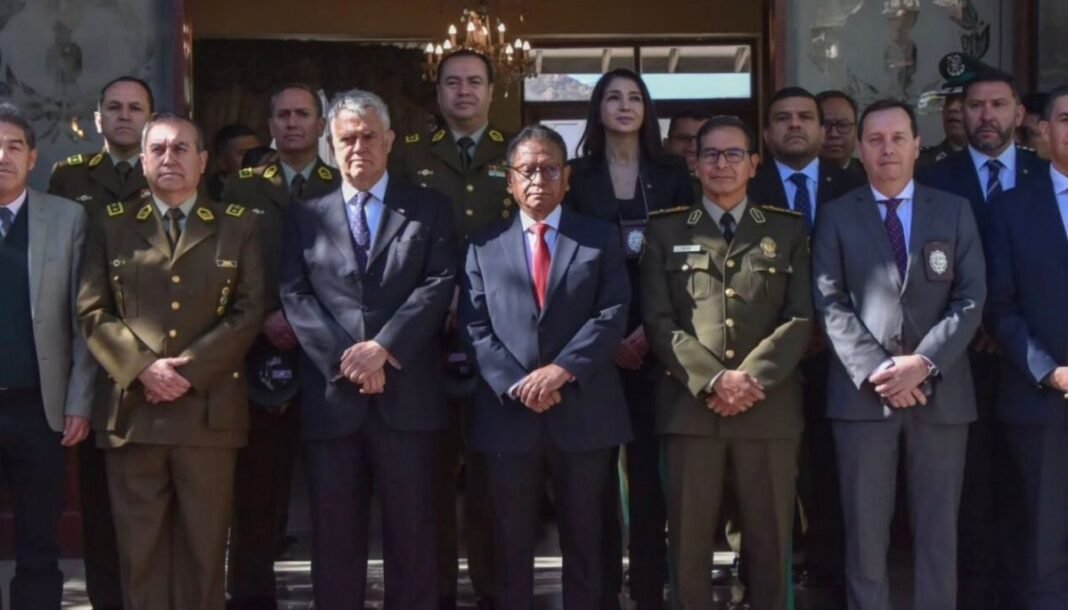
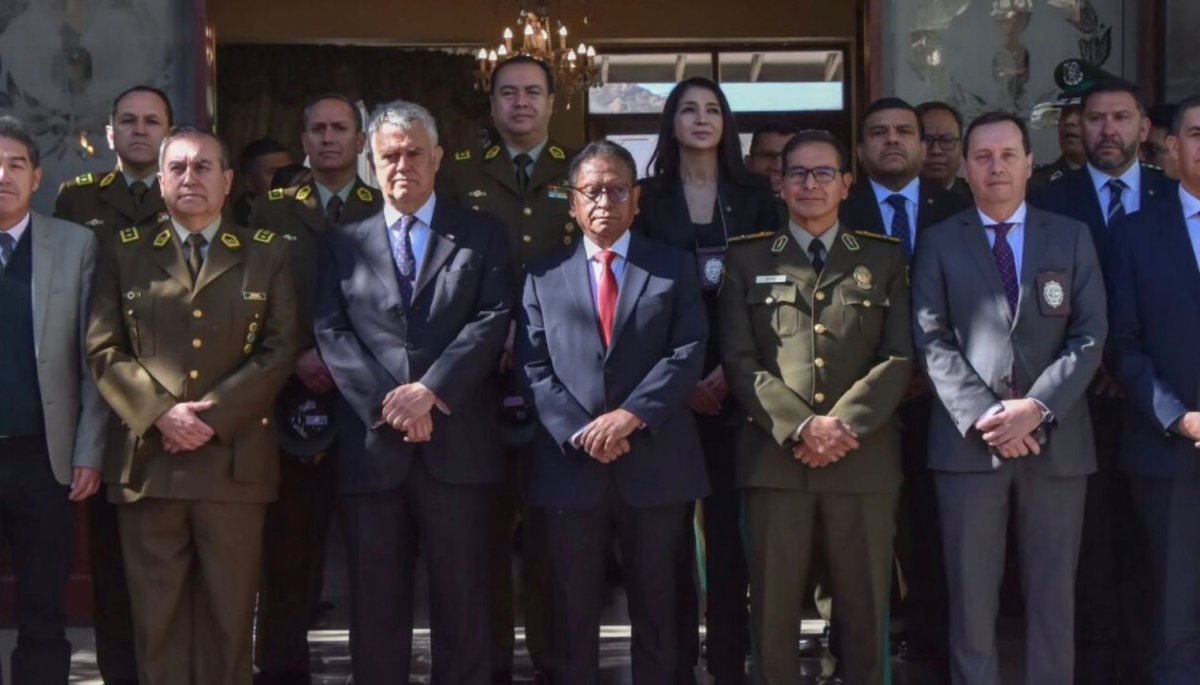
Reporting in a government statement, A significant step in bolstering bilateral relations was taken on August 31st, 2026, as Chile and Bolivia convened the inaugural “RAMPOL” meeting of senior police officials and specialized units in La Paz. This initiative, designed to coordinate efforts against transnational crime—including narcotics trafficking, organized crime, human trafficking, and other illicit activities—represents a tangible manifestation of a shared security agenda. The statement does not address the scale of these crimes or the specific resources allocated to combating them.
Background
The RAMPOL initiative is framed within Chile’s broader regional security strategy, aligned with the Santiago Commitment—an agreement signed by Bolivia, Chile, Argentina, Ecuador, and Peru, along with Uruguay and Paraguay. This commitment addresses organized crime that transcends national borders. The statement does not mention specific dates for the Santiago Commitment or details of its implementation. Prior to this meeting, a Border Committee convened in La Paz in July 2026 established a bilateral framework for cooperation.
Analysis
The establishment of RAMPOL demonstrates a clear mutual interest in confronting shared security threats. The inclusion of four specialized working tables—focused on INTERPOL, human trafficking, border crimes and environmental issues, corruption prevention, and organized crime—indicates a targeted approach to addressing complex challenges. This suggests that both governments recognize the need for enhanced collaboration to effectively combat these transnational criminal networks. However, the statement does not address potential tensions between differing national legal frameworks or investigative methods.
The participation of high-ranking officials from both the Chilean Police de Investigaciones (PDI) and Carabineros, alongside Bolivian government ministers and the Chilean Consul General in La Paz, underscores the seriousness with which this initiative is being treated. The consul general’s description of RAMPOL as “a step of special importance” highlights the political weight attached to this cooperation. If implemented as described, the collaboration could potentially disrupt criminal networks operating across borders.
Implications
The launch of RAMPOL has significant implications for regional stability and trade security. By fostering closer coordination between law enforcement agencies, it aims to strengthen border controls and combat illicit trafficking routes. This could contribute to reducing crime rates and improving overall security in the region. The initiative also signals a desire among these nations to build trust and confidence, which is crucial for continued cooperation. However, the statement does not address potential challenges related to differing political systems or governance structures.
Outlook
Should the visit yield concrete results in terms of information sharing and operational coordination, it could pave the way for further joint investigations and prosecutions. If the four working tables prove effective in identifying key criminal networks and disrupting their activities, this would represent a significant step forward. However, if the initial meetings are primarily focused on establishing communication channels without tangible outcomes, the initiative’s long-term impact will remain uncertain. The statement does not address how frequently RAMPOL will convene or what metrics will be used to assess its success.
Conclusion
The formation of the RAMPOL mechanism signifies a dedicated effort by Chile and Bolivia, but it remains to be seen whether this bilateral cooperation can translate into a broader regional security framework. The ultimate test will lie in the ability of these nations to effectively coordinate their efforts and achieve tangible results in combating transnational crime.