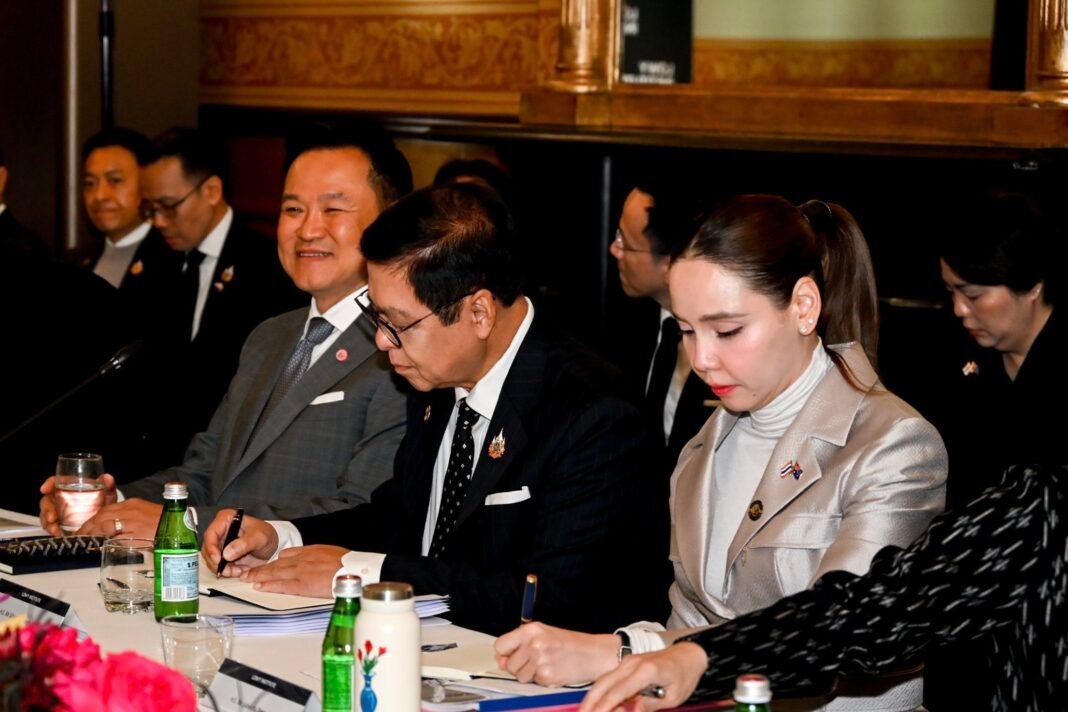
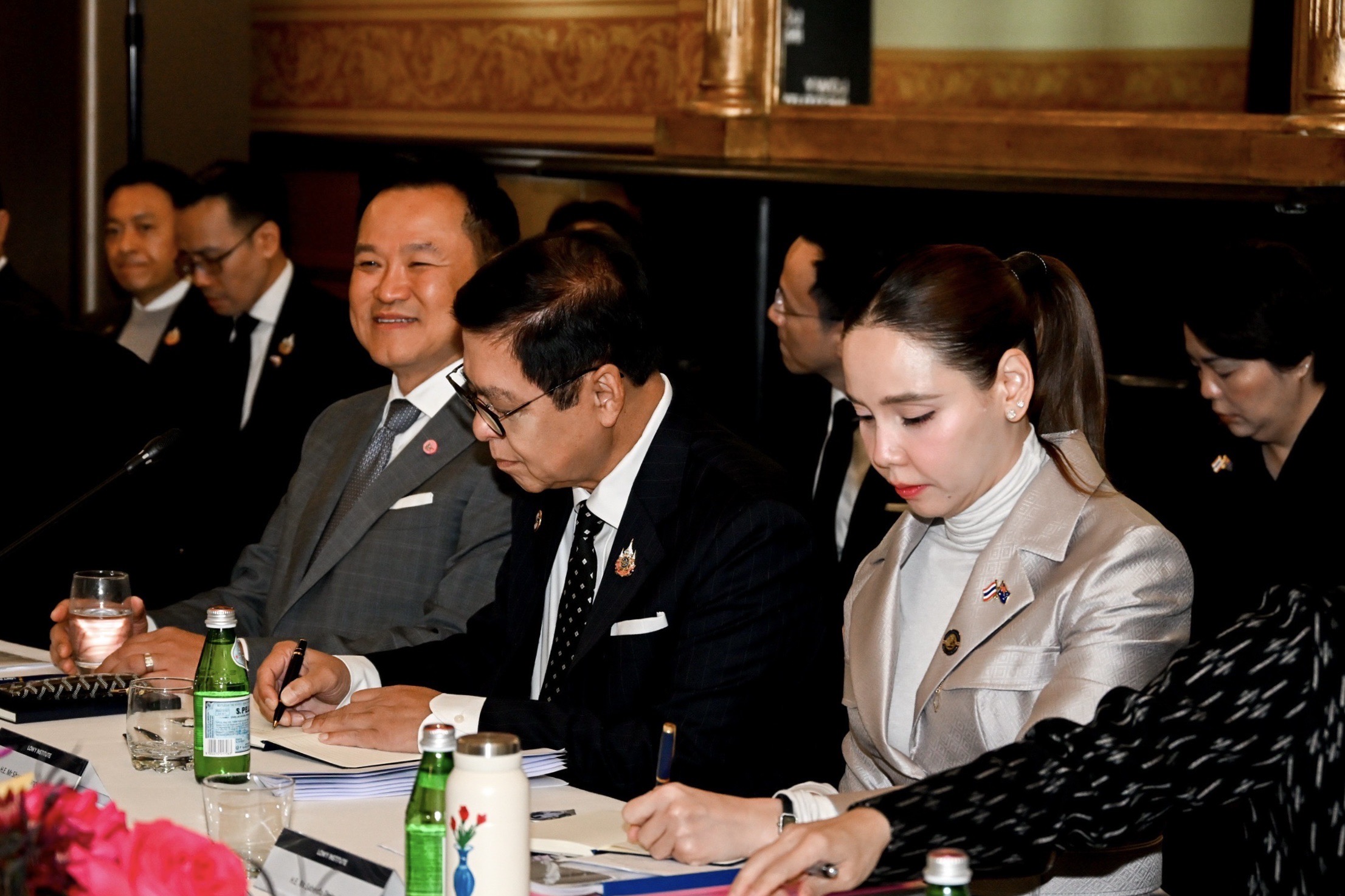
As set out in a formal announcement, The statement does not mention specific details regarding the nature of the discussions held during the meeting with executives of the Lowy Institute on 18 August 2026. However, it confirms that Deputy Prime Minister and Minister of Foreign Affairs Sihasak Phuangketkeow joined Prime Minister Anutin Charnvirakul in Sydney for this engagement. This event is significant because it represents a deliberate effort by Thailand to articulate its foreign policy priorities within the context of a globally fragmented geopolitical landscape – a landscape increasingly shaped by what the Prime Minister described as an “increasingly fragmented global geopolitical landscape.” The fact that this discussion occurred during the official visit to Australia underscores the strategic importance Thailand places on cultivating bilateral relationships alongside broader regional partnerships.
Background: The meeting transpired concurrently with the Prime Minister’s ongoing official visit to the Commonwealth of Australia. This visit, according to the statement, was intended to share a “vision” regarding this fragmented global landscape. The Lowy Institute, an independent think tank based in Sydney, plays a prominent role in Australian foreign policy analysis and provides a platform for discussions on international affairs. Prior to this meeting, Thailand has consistently emphasized its commitment to strengthening regionalism as a means of preserving space for cooperation – a strategy explicitly referenced by the Prime Minister during the engagement. The statement also notes that the Deputy Prime Minister participated in exchanging views with academics at the event, focusing on developments including “the situation in Myanmar” and “the Thailand – Cambodia situation,” indicating a continued focus on regional security challenges.
Analysis: The Prime Minister’s framing of the geopolitical landscape as “increasingly fragmented” suggests an assessment of diminished multilateralism and a corresponding need for greater strategic autonomy. This signals a potential shift away from solely relying on established international institutions, instead prioritizing partnerships that align with Thailand’s national interests. The emphasis on “wider partnerships to maintain strategic autonomy” is particularly noteworthy given Thailand’s ongoing diplomatic engagement within the Association of Southeast Nations (ASEAN). If implemented as described, this approach could lead to a recalibration of Thailand’s foreign policy priorities – potentially favoring bilateral agreements over multilateral commitments where strategic alignment is deemed paramount. The inclusion of specific regional concerns like “the situation in Myanmar” and “the Thailand – Cambodia situation” highlights the immediate operational challenges facing Thailand’s diplomatic efforts, demanding a nuanced approach balancing engagement with potential adversaries while upholding ASEAN principles.
Implications: Should the visit yield support for the Prime Minister’s outlined strategy, it could have significant implications for regional stability. A strengthened focus on strategic autonomy could influence Thailand’s stance on issues such as maritime security and border disputes – particularly concerning its relationship with Cambodia. Furthermore, this signals a potential recalibration of Thailand’s engagement within ASEAN, potentially leading to a more assertive role in driving regional cooperation based on self-defined priorities. The increased emphasis on “deeper economic integration” suggests a renewed focus on attracting foreign investment and fostering trade relationships, aiming to bolster the Thai economy’s resilience against global uncertainties.
Outlook: If the visit successfully fosters collaboration with Australia on advancing a “more inclusive, effective, and resilient international system,” Thailand could see increased support for its efforts to mediate regional conflicts and promote sustainable development within ASEAN. Should this strategy be adopted, Thailand will likely continue to prioritize bilateral alliances while simultaneously advocating for reforms within multilateral institutions – aiming to create a more responsive and adaptable global order. The statement does not address whether this approach would impact Thailand’s existing trade agreements or commitments to international organizations.
Conclusion: The Prime Minister’s articulation of a fragmented world and the prioritization of regionalism raises a fundamental question regarding Thailand’s long-term role in shaping the international system – will it seek to lead from within established frameworks, or forge a path towards greater strategic independence?