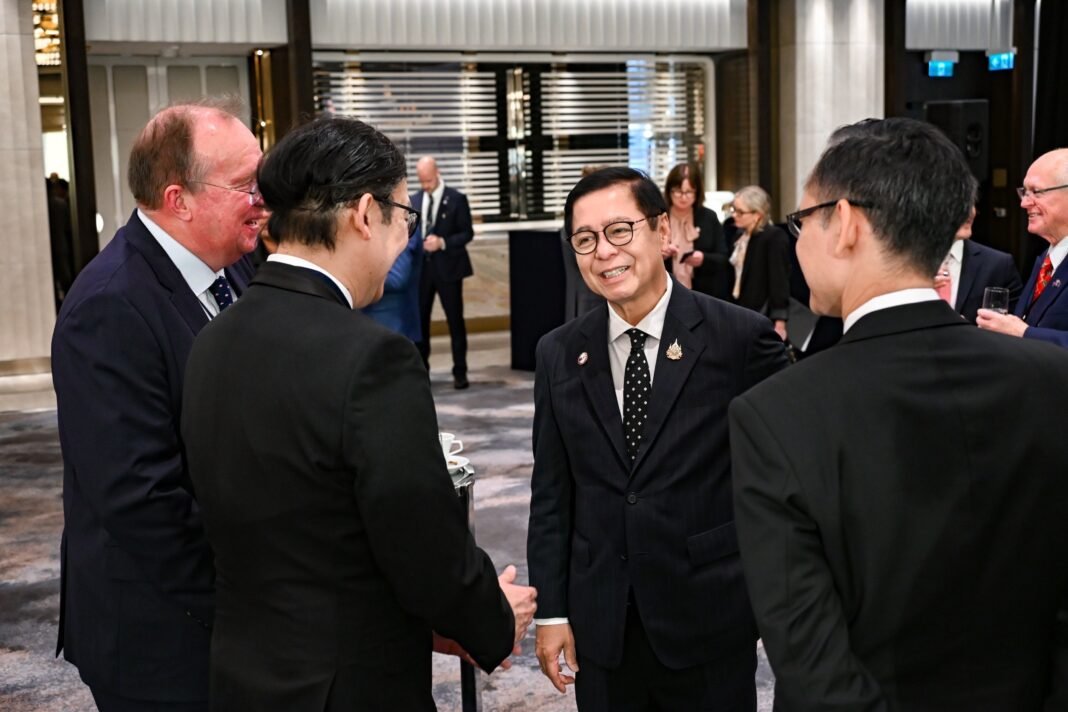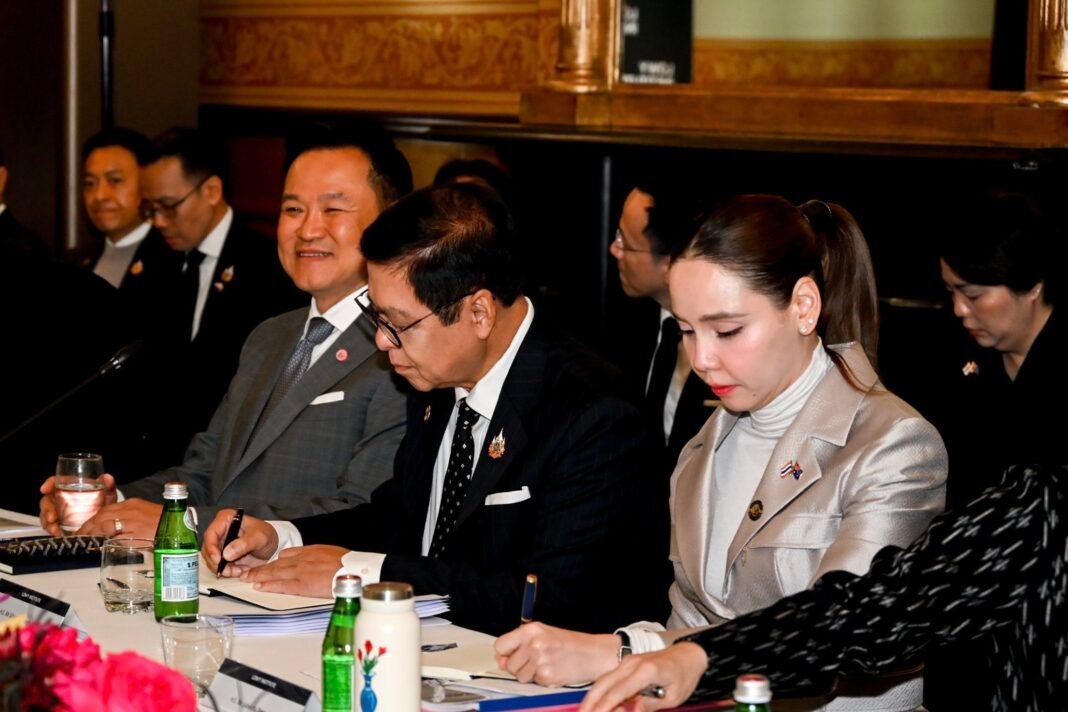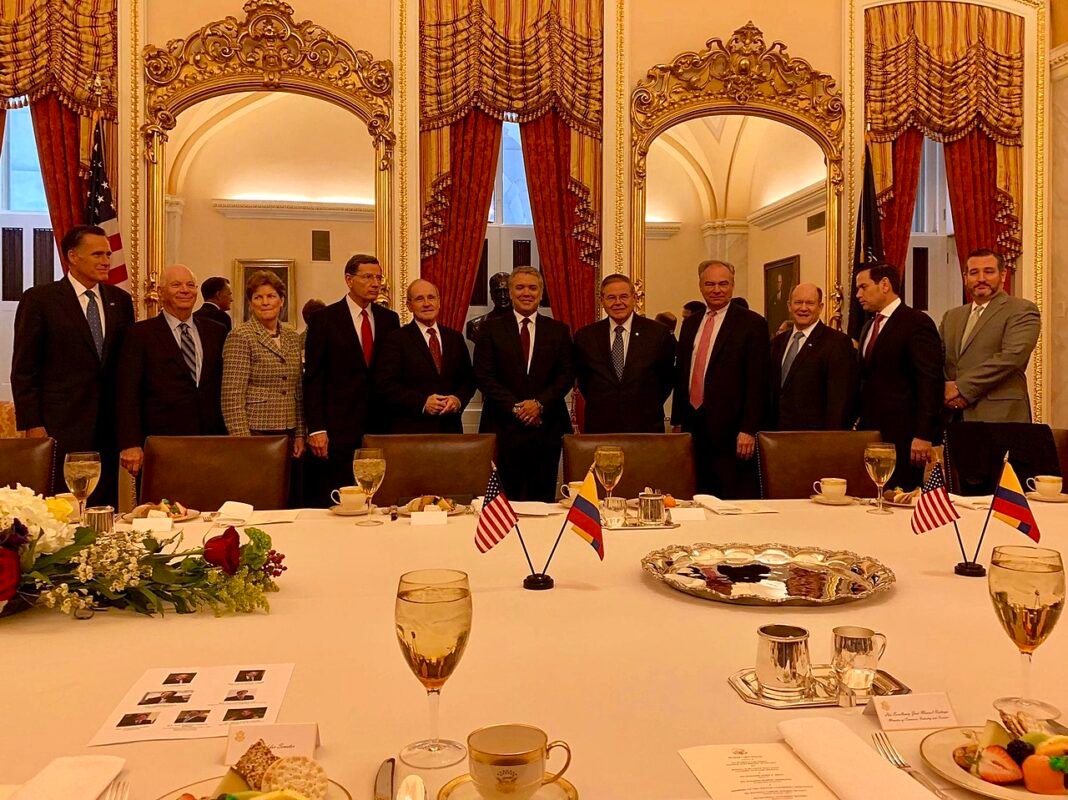
Details in a press release show that Secretary of State Marco Rubio met today with Canadian Minister of Foreign Affairs Anita Anand to strengthen coordination on shared security, economic, and regional priorities. Secretary Rubio reaffirmed shared priorities in our hemisphere, including the continued partnership with Canada on the Standing Group of Partners in Haiti, emergency earthquake assistance to Venezuela, Arctic security, joint efforts to end online scam centers, and the need for immediate, significant, and irreversible reforms in Cuba. The statement does not address the scale of humanitarian needs within Venezuela or specific mechanisms for delivering aid.

Background
Prior meetings between US and Canadian officials have consistently focused on hemispheric security. The Standing Group of Partners in Haiti represents a longstanding, albeit frequently challenged, multilateral effort to stabilize the country following recent unrest. The statement does not provide details regarding the current composition or operational mandates of this group.
Furthermore, the reference to “emergency earthquake assistance to Venezuela” indicates ongoing concerns about the country’s stability and potential for further crises. The statement does not specify the nature or volume of this assistance or whether it is contingent on certain conditions being met within Venezuela.
The inclusion of “Arctic security” highlights a growing area of strategic competition, particularly given Canada’s Arctic coastline. The statement doesn’t outline specific collaborative activities related to maritime domain awareness or defense capabilities in the region.
The mention of “joint efforts to end online scam centers” suggests continued cooperation on combating transnational criminal activity. The statement does not detail the scope of this collaboration, including intelligence sharing or law enforcement coordination.
Analysis
Secretary Rubio’s remarks underscore a continued US prioritization of regional stability within its sphere of influence. This focus is framed primarily through engagement with established partners like Canada and Haiti – suggesting an implicit acknowledgement of limitations in direct intervention elsewhere. The repeated emphasis on “irreversible reforms” concerning Cuba indicates the persistent, though unchanged, US position.
The inclusion of Venezuela demonstrates a recognition of ongoing humanitarian concerns, however, the lack of specific details regarding aid delivery or conditions suggests a cautious approach to engagement with the Maduro regime. This reflects broader strategic considerations regarding potential sanctions repercussions and limited leverage.
Should the US continue to pursue this strategy – prioritizing partnerships over direct action – it risks exacerbating existing regional vulnerabilities. The statement does not address the impact of this policy on other actors, such as Brazil or Colombia, who may hold divergent views on these issues.
Implications
The meeting’s outcome has implications for US foreign policy within the Caribbean and North America. Continued collaboration with Canada on Haiti is likely to remain a cornerstone of Washington’s approach, albeit subject to ongoing challenges related to governance and security in that nation.
The reaffirmation of support for Venezuela, while framed as humanitarian assistance, carries potential risks. The statement does not address the broader geopolitical implications of this engagement – including its impact on relations with Russia or China, who also maintain ties with Caracas.
Joint efforts to combat online scam centers could lead to increased cooperation between law enforcement agencies in both countries, but the lack of detail regarding specific protocols raises questions about the effectiveness of these initiatives. The statement does not outline any mechanisms for addressing jurisdictional disputes related to cybercrime.
Outlook
If Canadian engagement on Haiti remains consistent, it could provide a degree of stability to the Western Hemisphere. Should the US government increase pressure on Venezuela – particularly if economic sanctions are intensified – it would likely strain relations with Caracas and potentially disrupt existing aid channels.
Should the United States seek to deepen its Arctic security cooperation with Canada, this would require a more formalized agreement addressing issues of sovereignty, resource management, and potential military deployments. The statement does not address how these ambitions align with broader strategic objectives within NATO or the Pentagon.