
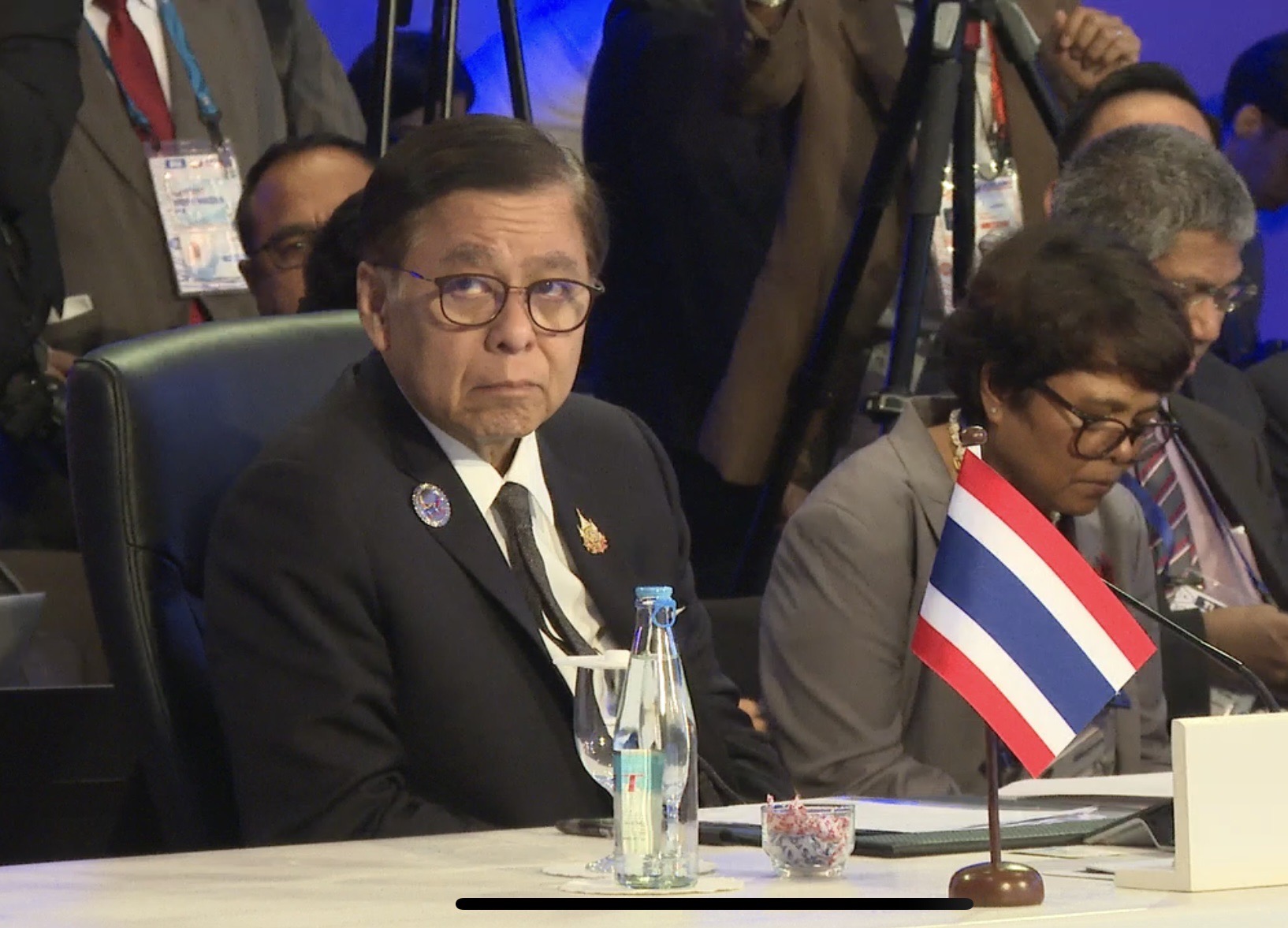
As set out in a formal announcement, The participation of H.E. Mr. Sihasak Phuangketkeow, Thailand’s Deputy Prime Minister and Minister of Foreign Affairs, in the ASEAN Post-Ministerial Conference with the European Union on 22 July 2026 underscored a key strategic objective for Bangkok: accelerating the progression towards a Comprehensive Strategic Partnership (CSP) with Brussels.
Background
The meeting occurred alongside the 59th ASEAN Foreign Ministers’ Meeting and Related Meetings in Manila, Philippines. This event provided a platform for assessing progress toward the Commemorative Summit planned for 2027, marking the 50th anniversary of ASEAN-EU dialogue relations. The statement indicates an anticipated shift in the relationship—a move towards closer strategic alignment – if this visit yields positive outcomes.
Specifically, the EU has expressed interest in elevating its ties with ASEAN to a CSP, a status currently held by only a handful of nations. The statement does not address the specific criteria or benchmarks for achieving this elevated partnership.
Analysis
The Deputy Prime Minister’s emphasis on upholding the “rules-based international order” reflects a common concern among Southeast Asian nations regarding the evolving global landscape, particularly in light of geopolitical tensions. This suggests that Thailand views itself as a key participant in defending established norms – a position increasingly challenged by certain external actors.
Furthermore, the statement highlights two critical areas of cooperation: expediting the conclusion of the ASEAN-EU Free Trade Agreement (FTA) and combating online scams. The deliberate mention of these issues reveals Thailand’s priorities for economic engagement with the EU and its recognition of shared vulnerabilities in the digital realm.
The reaffirmation of Thailand’s role as Myanmar’s neighboring country, alongside a commitment to “calibrated re-engagement” through the ASEAN approach to Myanmar, is notable. The statement does not address the ongoing political instability within Myanmar or the challenges associated with implementing any meaningful engagement strategy.
Implications
The pursuit of a CSP carries significant implications for Thailand’s foreign policy orientation and its regional standing. Should the EU agree to this elevated partnership, it would signal a deepening commitment to aligning with European values and strategic interests – potentially reshaping Bangkok’s relationships with other major powers.
Beyond the bilateral relationship, accelerating the FTA could bolster ASEAN’s trade integration efforts and provide a significant economic boost for Thailand. However, the statement offers no indication of the timeline or potential obstacles associated with finalizing the agreement – a crucial element for investors and businesses.
Outlook
If the visit yields positive discussions regarding the CSP, should the EU demonstrate a renewed commitment to trade negotiations, Thailand could solidify its position as a key partner in Southeast Asia. Conversely, if Brussels remains focused on broader geopolitical considerations without concrete steps towards FTA implementation, Bangkok’s strategic options will remain constrained.
Conclusion
The Deputy Prime Minister’s participation in the Manila conference represents a deliberate attempt to shape Thailand’s role within the evolving architecture of regional and global diplomacy. The question remains: will this engagement translate into tangible benefits for Thailand, or simply reaffirm its commitment to navigating an increasingly complex international environment?