
Background
The Letter of Intent was concluded among four agencies: the Ministry of Foreign Affairs, the Ministry of Higher Education, Science, Research and Innovation, the Board of Investment of Thailand, and the Federation of Thai Industries. The statement does not mention specific timelines or previous agreements related to SRI diplomacy. However, it is linked to the broader “5S Foreign Affairs Masterplan,” a 20-year strategic framework outlined in the Ministry’s policy statements. This plan emphasizes enhancing Thailand’s competitiveness through innovation and international partnerships.
Analysis
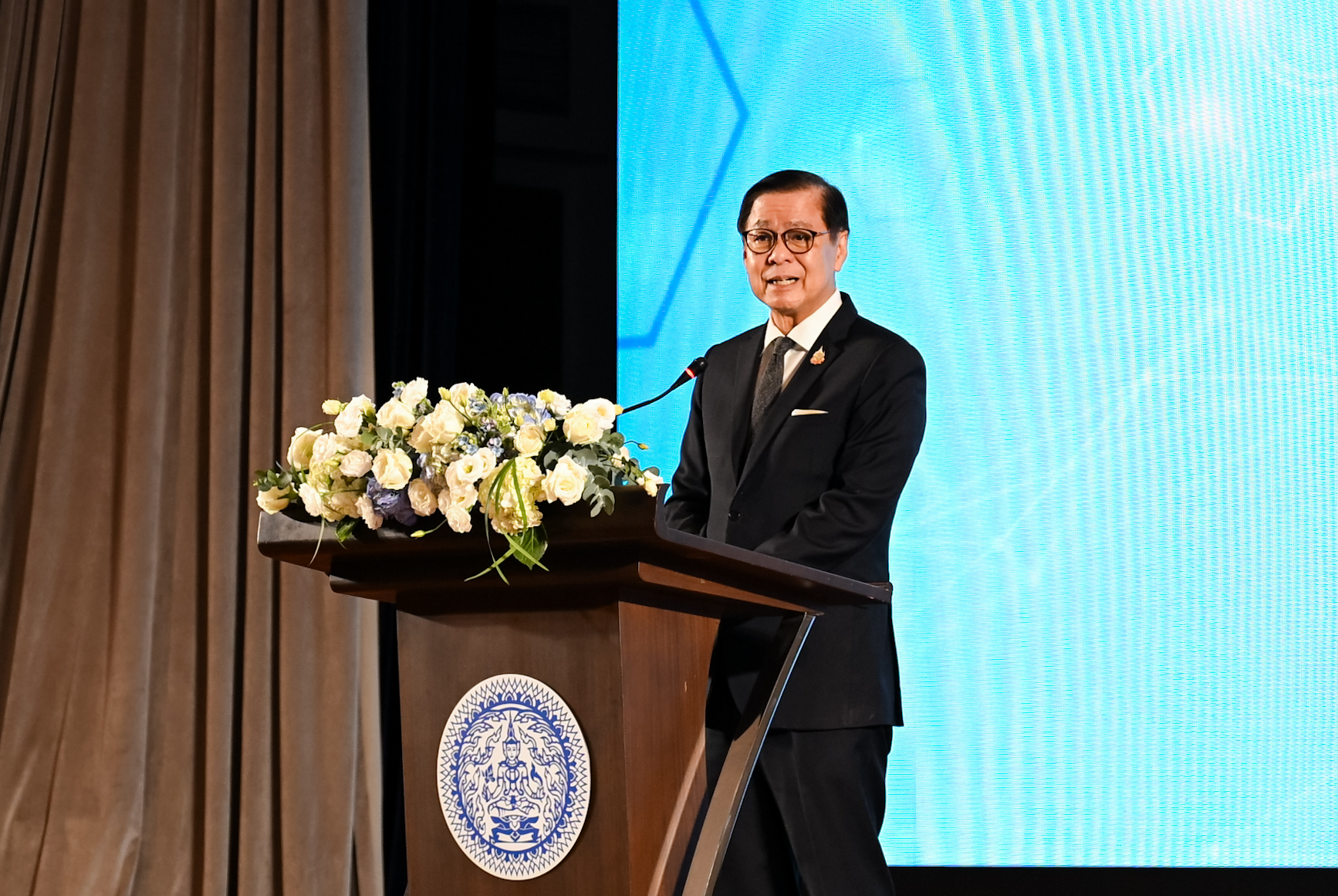
The launch reflects a deliberate effort to move beyond traditional diplomatic engagement. Deputy Prime Minister Sihasak underscored the importance of this integrated approach, signaling an acknowledgement that purely bilateral agreements are insufficient. The focus on SRI diplomacy is intended to bolster Thailand’s capabilities in these areas while simultaneously strengthening partnerships with key nations. This initiative pivots from simply attracting foreign investment to actively participating in global scientific advancements. The selection of Australia, Germany, Japan, the United Arab Emirates, Israel, and Saudi Arabia as pilot countries indicates a targeted strategy focusing on nations with established strengths or potential synergies within specific SRI sectors. The reliance on the Board of Investment and Federation of Thai Industries suggests a commitment to translating research into tangible industrial applications.
Implications
This policy shift has significant implications for Thailand’s economic competitiveness. Successfully delivering “tangible outcomes” – as stated by Deputy Prime Minister Sihasak – will be crucial in attracting foreign investment and fostering innovation within key sectors. The engagement with six pilot countries presents an opportunity to influence global research agendas and potentially secure access to cutting-edge technologies. Should the ambassador meetings yield productive collaborations, it could bolster Thailand’s position as a regional hub for scientific development. Furthermore, this initiative directly supports the Ministry of Foreign Affairs’ broader economic diplomacy policy – seeking to strengthen relationships and expand cooperation with other nations.
Outlook
If the virtual meetings with ambassadors in the pilot countries prove fruitful, Thailand could establish a network of collaborative research projects. Should the exchange of views identify practical approaches to advancing cooperation in SRI, this would represent a significant step forward. However, if the initial discussions fail to translate into concrete proposals for joint ventures or technology transfer agreements, the Letter of Intent’s impact will be limited. The success hinges on Thailand’s ability to demonstrate tangible value to its partners – providing access to Thai markets, research expertise, or regulatory frameworks conducive to innovation.
Conclusion
The launch of this SRI diplomacy network demonstrates a recalibration of Thailand’s foreign policy priorities. The statement does not address the potential challenges in securing sustained engagement from these key partner countries, leaving open the critical question of whether this initiative will translate into genuine and lasting scientific collaboration.