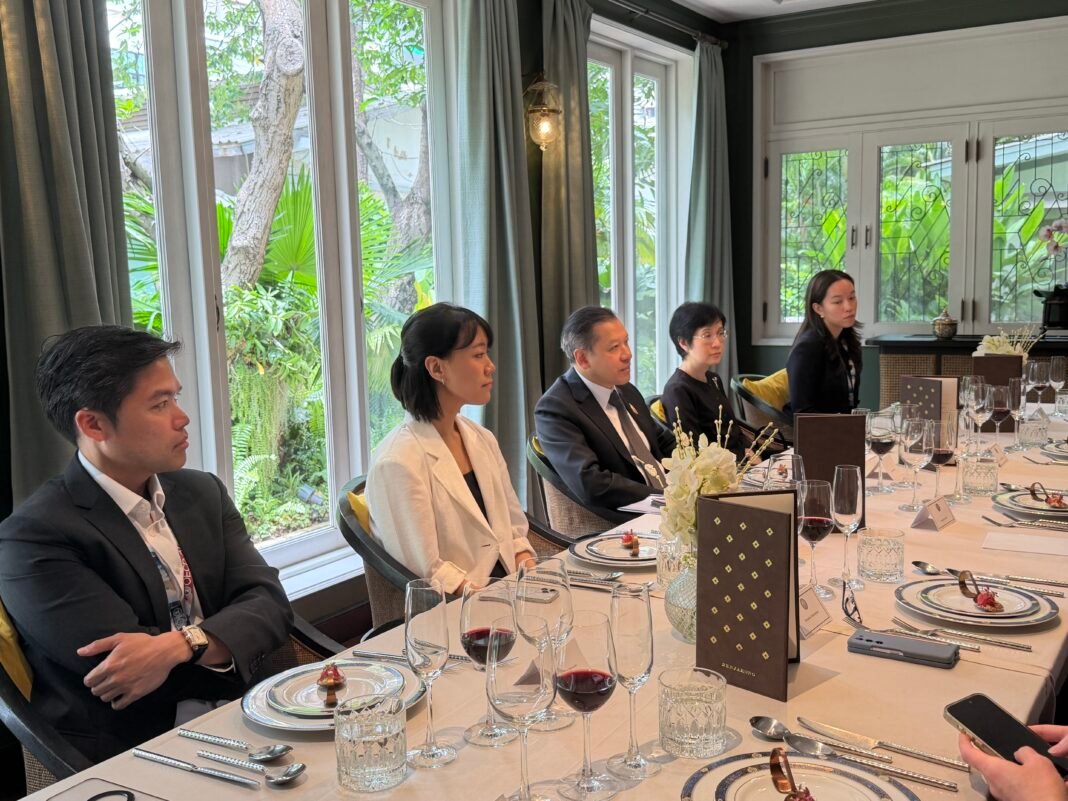
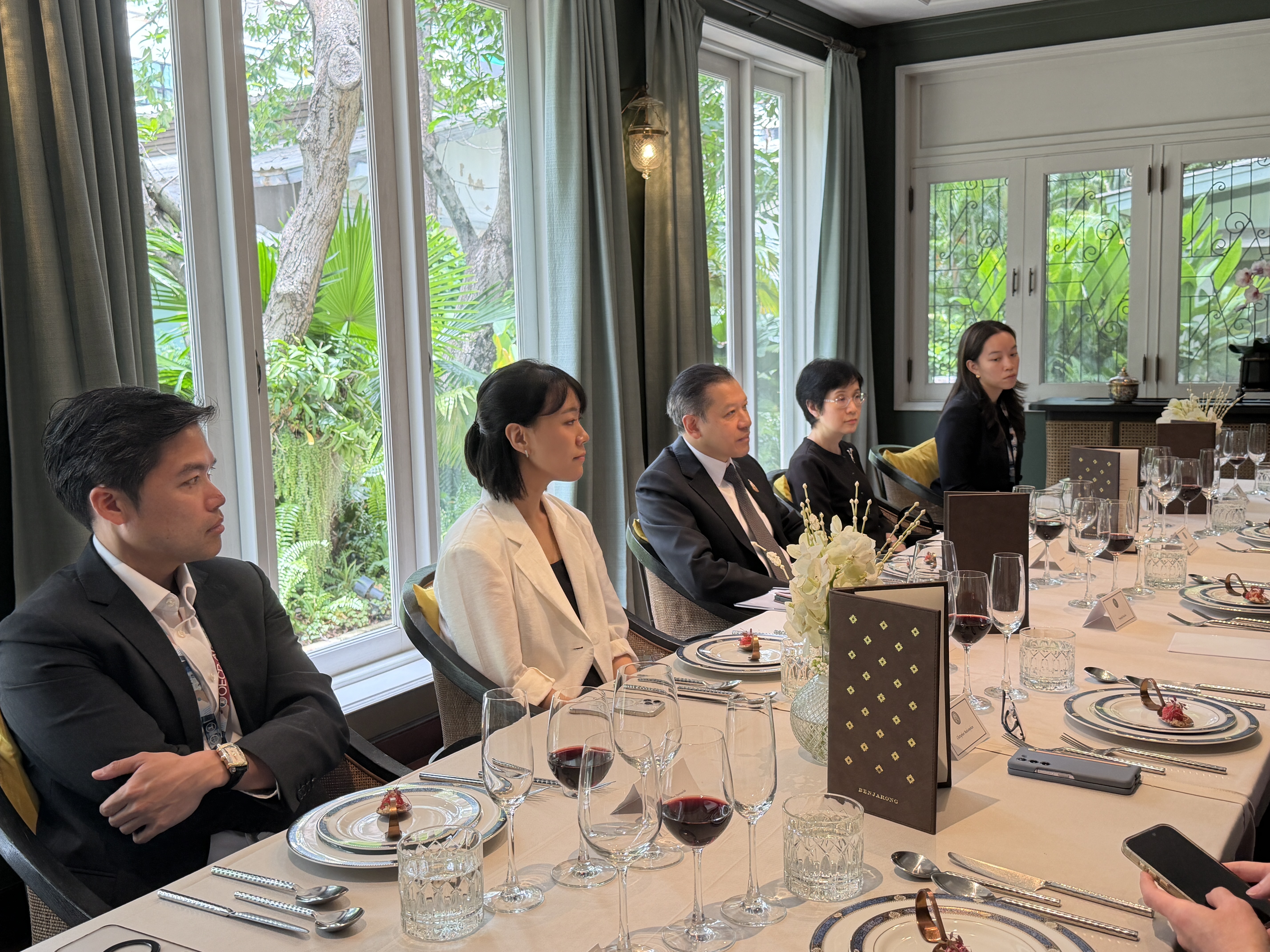
As set out in a formal announcement, On 31 August 2026, Vice Minister for Foreign Affairs Mr. Sarun Chareonsuwan hosted a working luncheon for Deputy Secretary-General of the Organisation for Economic Co-operation and Development (OECD), Mr. František Ružička, marking the second visit by an OECD official to Thailand in under twelve months. This meeting underscores Thailand’s commitment to achieving OECD membership by 2028, a national priority driven by a desire to bolster competitiveness, governance, and long-term investor confidence within the country.
Background
The visit followed Mr. Ružička’s initial visit on 8 December 2025, during which Thailand presented its Initial Memorandum – a crucial step in the OECD accession process. The Secretary-General of the King Prajadhipok’s Institute was also present at the luncheon alongside senior officials from the Ministry of Foreign Affairs and a representative from the Office of the Council of State. This timeline reflects the accelerated pace of Thailand’s engagement with the OECD, signalling a significant strategic shift in foreign policy.
Analysis
Thailand’s stated ambition to achieve OECD membership by 2028 is predicated on leveraging the accession process as an impetus for domestic reform. The government, under Prime Minister Anutin Charnvirakul, views this pursuit not merely as a diplomatic objective but as a core element of its economic strategy. This suggests a willingness to undertake potentially difficult structural adjustments if they demonstrably align with OECD standards. The upcoming technical review phase by 25 OECD committees represents a considerable undertaking for Thai agencies, demanding significant investment in capacity building.
Implications
The pursuit of OECD membership carries complex implications for Thailand’s regional standing and trade relationships. Successfully integrating into the OECD framework could enhance Thailand’s access to global markets and attract foreign investment, particularly within sectors aligned with OECD best practices. Should the visit yield further support from the OECD, it would bolster Thailand’s position as a key player in Southeast Asia. However, the stated readiness for “concrete areas of cooperation” remains largely undefined – the statement does not address specific sectors or policy priorities.
Outlook
If the technical review phase proceeds smoothly and Thai agencies demonstrate sufficient capacity to meet OECD standards, the timeline for accession could remain on track. Should challenges arise during this phase, particularly concerning governance reforms or labour market regulations, the 2028 deadline may be extended. The commitment to working closely with the OECD in support of Thailand’s accessions process is conditional upon continued technical assistance and capacity-building support from the organisation.
Conclusion
The luncheon between Mr. Chareonsuwan and Mr. Ružička demonstrates a focused effort by Thailand to achieve OECD membership, but leaves open the critical question of how effectively Thailand can translate this ambition into tangible policy changes within a compressed timeframe.