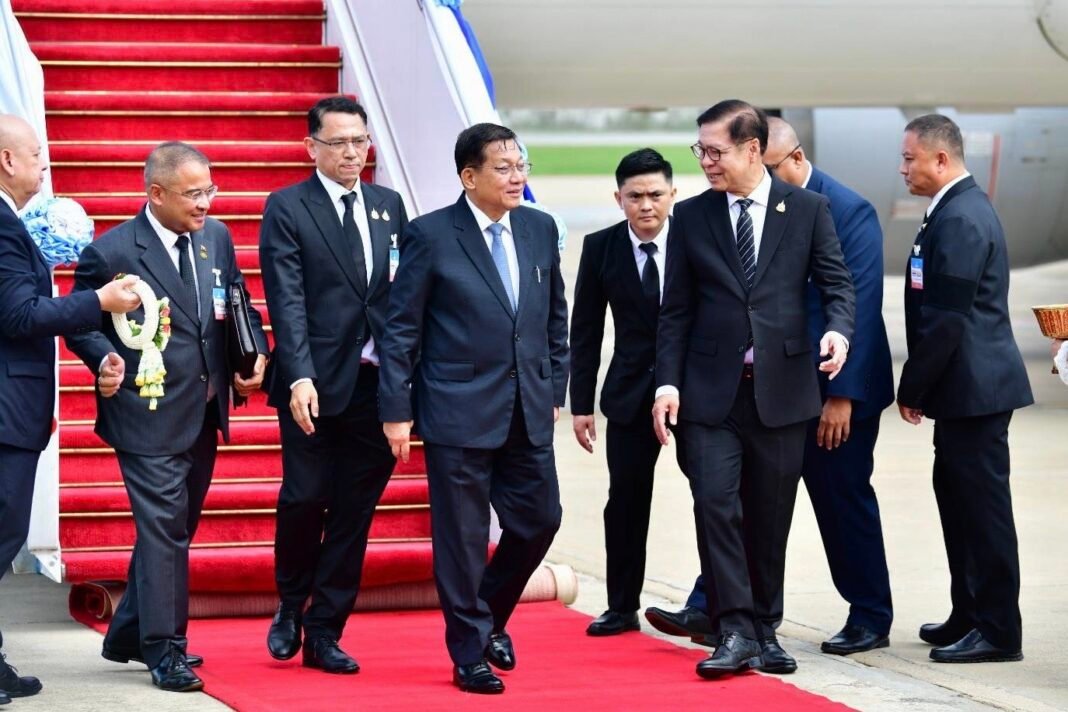
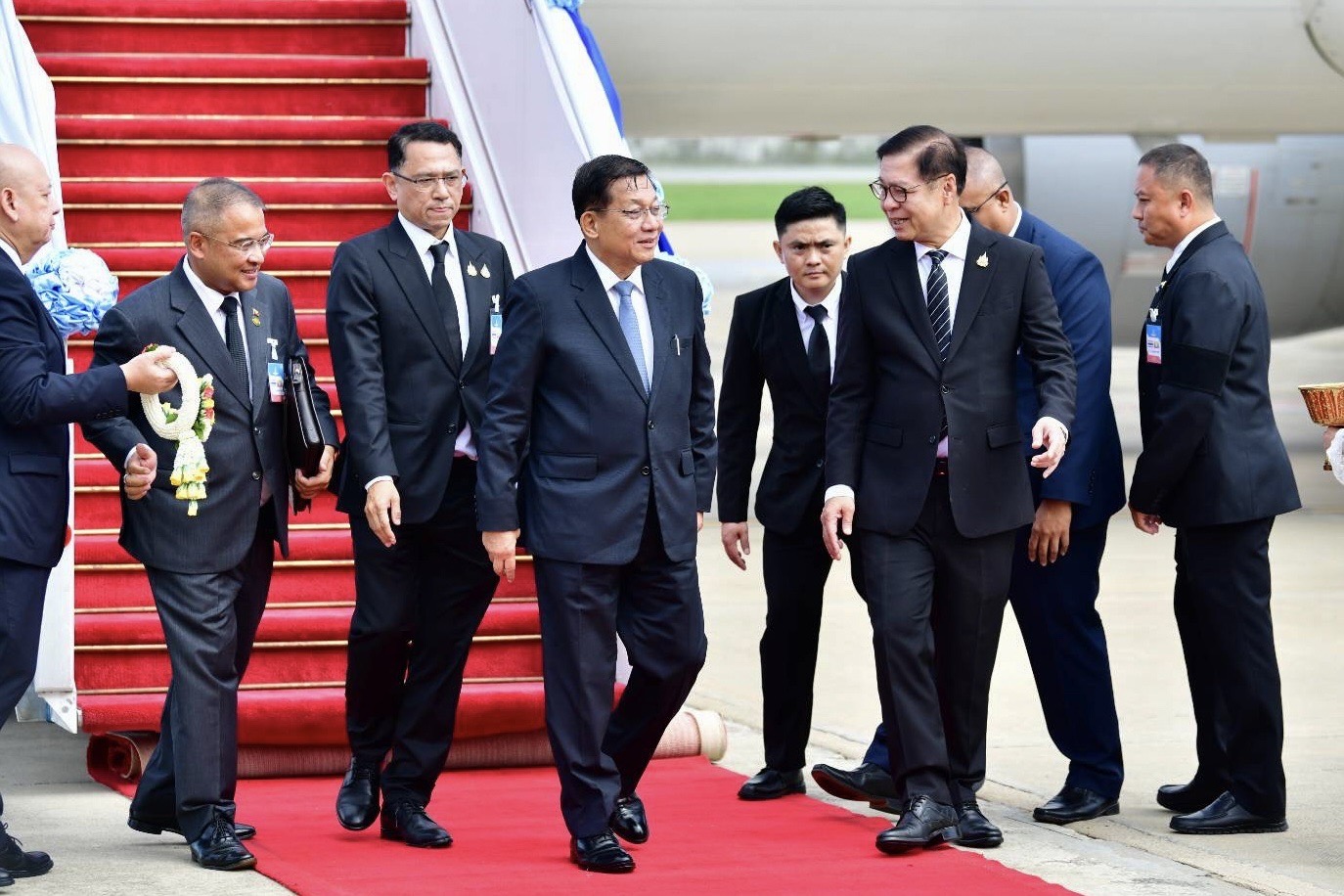
The foreign ministry readout describes On 10 August 2026, a meeting took place between H.E. Mr. Sihasak Phuangketkeow, Deputy Prime Minister and Minister of Foreign Affairs, and H.E. U Min Aung Hlaing, President of the Republic of the Union of Myanmar, signaling an agreement to further strengthen bilateral relations across all dimensions; this suggests a prioritization of pragmatic engagement despite ongoing instability within Myanmar.
Background
The meeting occurred following a series of diplomatic efforts by Thailand to foster dialogue between Myanmar’s leadership and ASEAN. The 20-Year “5S” Foreign Affairs Masterplan, outlined in the Ministry of Foreign Affairs’ policy statement, prioritizes security, stability, sustainability, strategic partnerships, and service provision as guiding principles for Thailand’s foreign relations. Prior to this visit, meetings had been held between Thai officials and Myanmar representatives focused on border management and economic cooperation, documented in annual reports.
Analysis
The agreement reflects a calculation by the Thai government: continued engagement with the Myanmar junta offers the best chance of influencing events within Myanmar while mitigating potential disruption to trade and investment. The stated intention to transform the Thailand-Myanmar border into a zone of peace and development is likely intended to address concerns regarding cross-border crime, particularly drug trafficking and online scams – issues consistently highlighted in Thai government statements. However, the statement does not address the ongoing humanitarian crisis or explicitly acknowledge the need for broader political reform within Myanmar. The commitment to establishing a Joint Working Group on Water Quality Management in Boundary and Transboundary Rivers demonstrates a recognition of environmental challenges but lacks detail regarding enforcement mechanisms or potential conflict resolution strategies should disagreements arise.
Implications
The renewed emphasis on trade and investment, including the planned Joint Trade Committee (JTC) meeting and the USD 12 billion bilateral trade target, carries significant implications for Thailand’s economy. The pursuit of connectivity, leveraging Thailand’s strategic location as a bridge between ASEAN, China, and South Asia, could bolster regional infrastructure development but also raises questions about alignment with broader geopolitical trends. Support for Myanmar’s development in areas such as agriculture, public health, sustainable development, and SMEs represents a continuation of Thailand’s long-standing role as a regional provider of assistance, contingent on the junta’s priorities.
Outlook
Should the visit yield tangible progress in addressing cross-border crime and fostering economic cooperation, it would represent a modest success for Thailand. However, if the Myanmar junta continues to prioritize stability over political reform – as repeatedly stated in its official communications – further engagement will likely remain constrained by this fundamental divergence of priorities. If the Joint Working Group on Water Quality Management proves effective, it could serve as a model for future cooperation; should disagreements arise regarding water rights, the statement does not address potential conflict resolution mechanisms.
Conclusion
The meeting between Phuangketkeow and Hlaing represents a continuation of Thailand’s cautious approach to Myanmar, prioritizing pragmatic engagement over fundamental shifts in the political landscape within the country. The degree to which this strategy can deliver on its stated goals remains uncertain.