
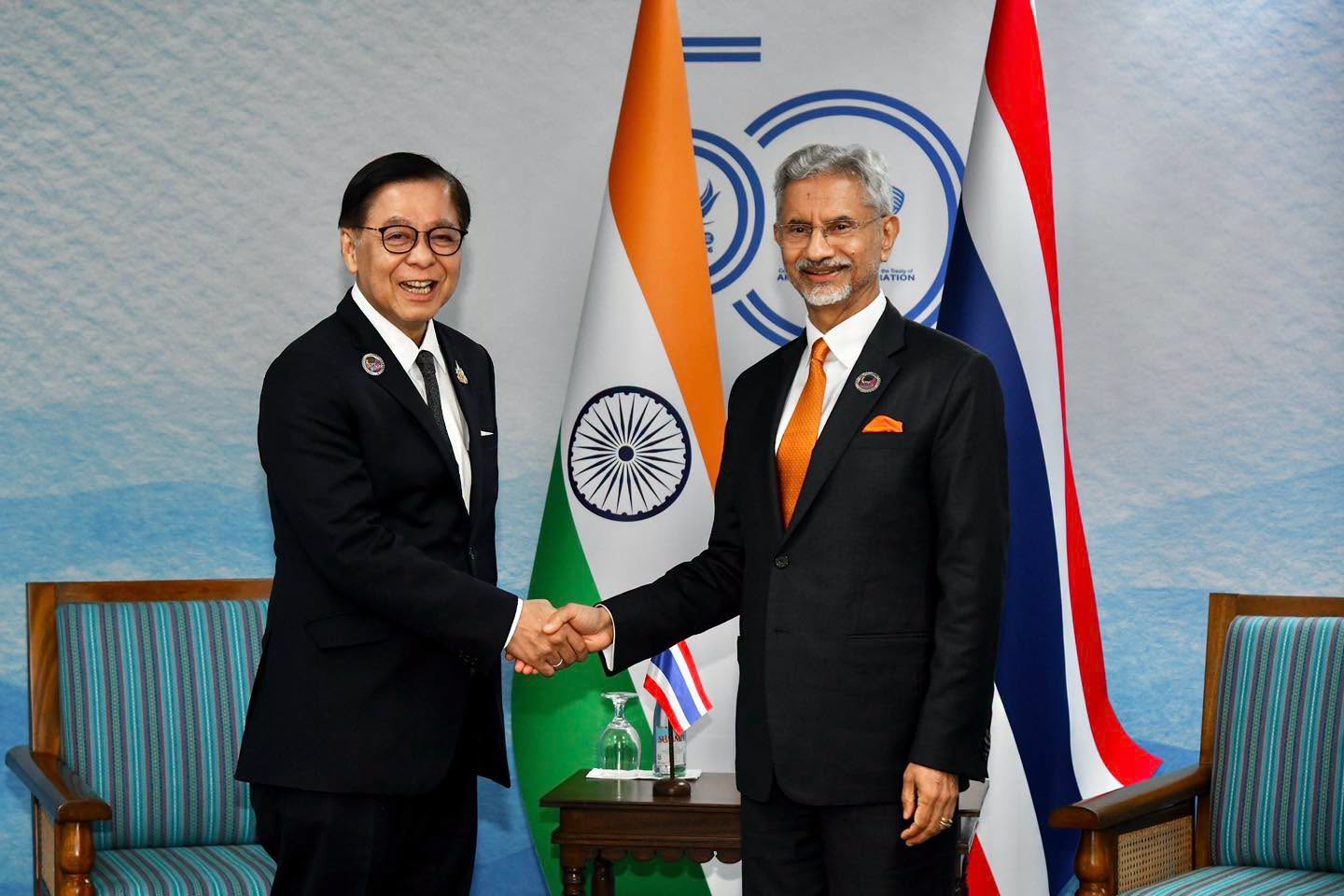
Background: The event occurred during the 59th ASEAN Foreign Ministers’ Meeting and related conferences held in Manila, Philippines. The statement does not provide details on the specific agenda items covered beyond “promoting cooperation,” but it references the ongoing discussions surrounding the diplomatic corps. Thailand’s approach to regional stability is increasingly shaped by its engagement within the Association of Southeast Asian Nations (ASEAN), a body that has been instrumental in facilitating dialogue and managing disputes among member states. The 20-Year “5S” Foreign Affairs Masterplan, outlined in the statement, highlights Thailand’s commitment to fostering strategic partnerships and promoting sustainable development—a key pillar of its foreign policy approach.
Analysis: The core of this engagement centers on bolstering trade and investment relations between Thailand and India. This suggests a recognition within the Thai Ministry of Foreign Affairs that economic cooperation is a vital component of broader diplomatic objectives. The discussion regarding “the situation in Myanmar” indicates a shared concern about the ongoing instability in the country—a region of mutual interest given both nations’ proximity to the border. However, the statement does not elaborate on the specific proposals or commitments made during the meeting. This suggests that Thailand is seeking to leverage its relationships with key regional players – including India – to address challenges related to Myanmar and maintain stability within the broader Indo-Pacific region. The exchange of “opinions” regarding the situation in Myanmar implies a coordinated effort to influence events, reflecting a strategic alignment on this critical issue.
Implications: Should the visit yield positive results in terms of increased trade flows and collaborative security initiatives, it would significantly strengthen Thailand’s position within the Indo-Pacific. If implemented as described, this could enhance Bangkok’s leverage in regional forums and provide additional support for efforts to promote stability in Myanmar. The focus on “promoting cooperation” also suggests a potential shift towards greater strategic alignment with India—a move that could have implications for Thailand’s relationships with other major powers such as China and the United States. This signals an opportunity for Thailand to broaden its diplomatic horizons while simultaneously reinforcing existing partnerships.
Outlook: If the visit yields concrete commitments regarding trade agreements, this would bolster Thailand’s economic growth prospects. Should the exchange of views on Myanmar prove productive, it could contribute to a more coordinated regional response to the ongoing crisis—though the statement does not address any specific outcomes. The deepening of ties with India represents a conditional opportunity for Thailand – one dependent on sustained engagement and shared strategic interests.
Conclusion: The meeting in Manila serves as an indicator of evolving geopolitical alignment, but the lack of detail regarding specific outcomes leaves open the question of whether this bilateral exchange will translate into tangible results for regional stability or sustainable economic growth.