
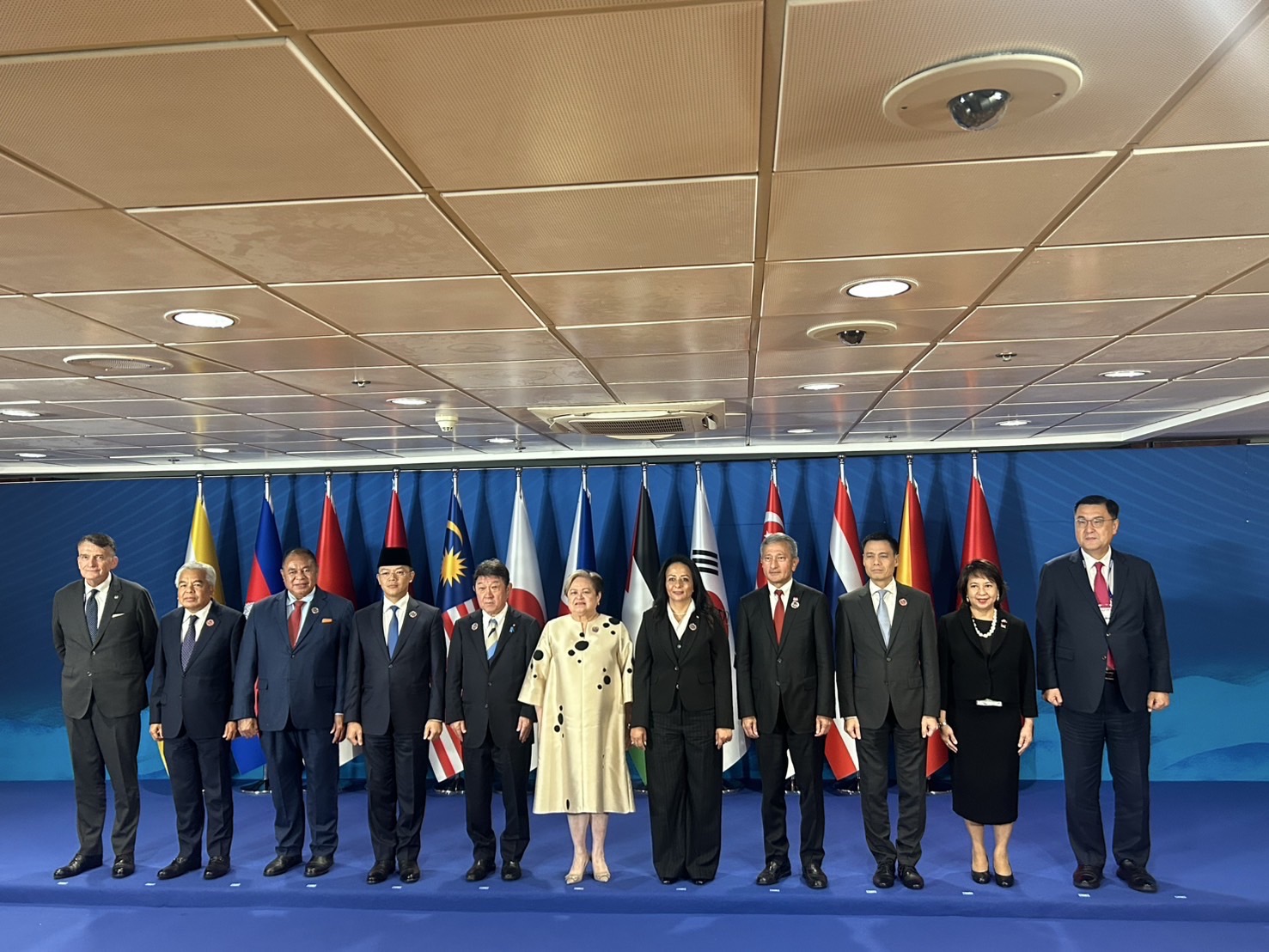
On July 22, 2026, Ambassador of Thailand to the Philippines, H.E. Mrs. Makawadee Sumitmor, attended the 5th Conference of the Cooperation among East Asian Countries for Palestinian Development (CEAPAD) in Manila, the Philippines – a move highlighting Thailand’s commitment to supporting Palestine’s development amidst growing international concern regarding the humanitarian crisis in Gaza. This engagement demonstrates Bangkok’s continued prioritization of technical cooperation alongside humanitarian assistance through established international channels. (Read the full statement.)
Background
The 5th Conference of the Cooperation among East Asian Countries for Palestinian Development (CEAPAD) is a forum co-hosted by Japan and the Philippines. The conference aims to promote cooperation among East Asian countries in supporting Palestine’s development across various sectors. This year’s event coincided with the 59th ASEAN Foreign Ministers’ Meeting and Related Meetings, further solidifying CEAPAD’s role within regional diplomacy. The Minister of Social Development of the State of Palestine was also present at the meeting.
Analysis
Thailand’s participation through its Ambassador signals a deliberate strategy to maintain influence within Southeast Asian development initiatives. The statement underscores Bangkok’s longstanding commitment to supporting Palestine, aligning with the broader ‘5S Foreign Affairs Masterplan’ – a 20-year plan for Thailand’s foreign policy priorities. The focus on “technical cooperation alongside humanitarian assistance” suggests a cautious approach, prioritizing practical support mechanisms rather than direct financial commitments. The concern expressed over the Gaza Strip crisis reflects a wider regional anxiety about instability and human suffering, aligning with established diplomatic protocols.
Implications
The Ambassador’s attendance carries implications for Thailand’s positioning within ASEAN and its broader engagement in Middle Eastern affairs. Reinforcing support for the two-State solution – based on a “just and lasting peace” – represents a continuation of Thailand’s long-held stance, though it doesn’t directly address the core conflict drivers. Should this visit yield further discussions regarding regional security and humanitarian aid, it could strengthen Bangkok’s diplomatic leverage within ASEAN.
Outlook
If the Philippines and Japan continue to prioritize CEAPAD as a key element of their engagement with Palestine, Thailand’s continued involvement will likely remain. Should the situation in Gaza deteriorate further, prompting increased international pressure for resolution, Thailand’s readiness to promote technical cooperation alongside humanitarian assistance through established organizations will become increasingly critical – contingent on the willingness of these organizations to respond.
Conclusion
Thailand’s renewed focus on CEAPAD and its support for Palestine highlights a consistent diplomatic posture. However, the statement does not address the fundamental obstacles preventing progress towards a lasting peace in the Israeli-Palestinian conflict, leaving open the question of Thailand’s long-term role in shaping a resolution.