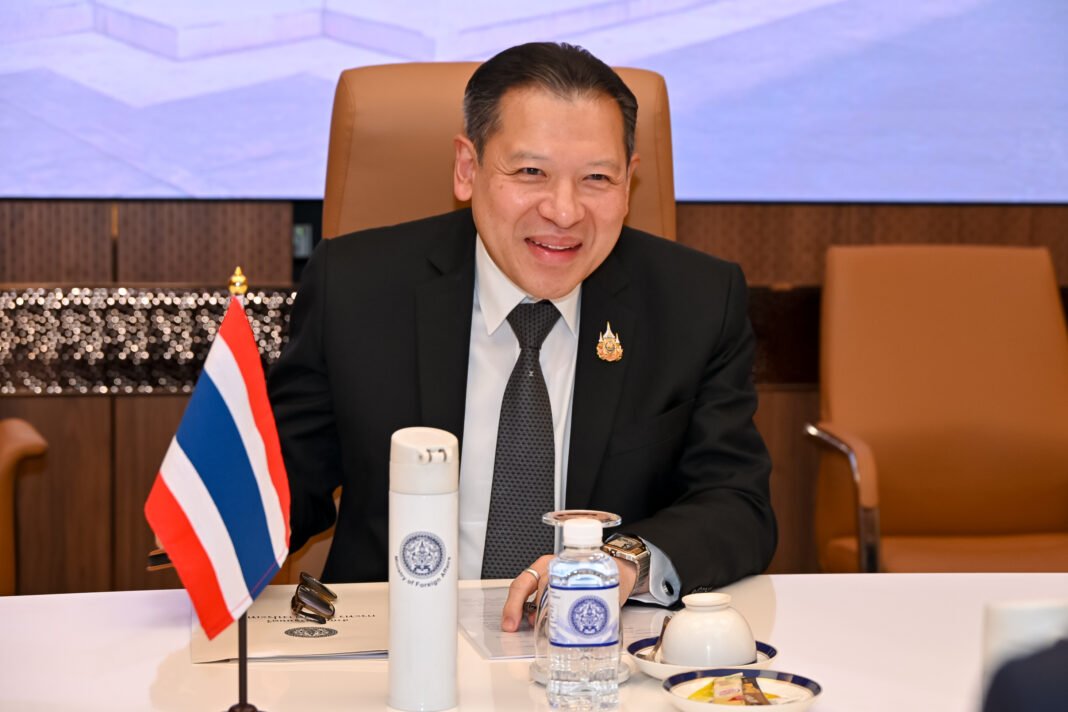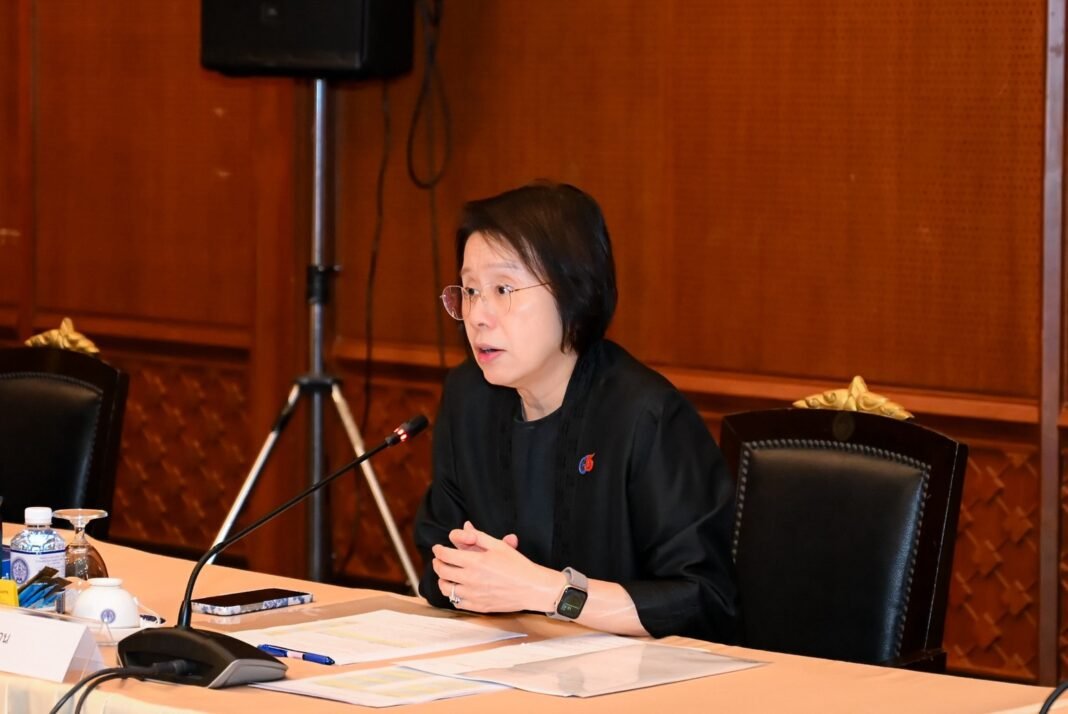
In a published statement ahead of the visit, On 16 August 2026, Ms. Eksiri Pintaruchi, Permanent Secretary for Foreign Affairs, chaired a meeting to follow up on the Prime Minister’s official visits to Malaysia and the People’s Republic of China. The statement does not address the specific outcomes of these visits but indicates a focus on accelerating cooperation towards tangible results. This suggests a deliberate effort by Thailand to translate high-level engagements into concrete advancements in defense, security, trade, and technological collaboration – areas demonstrably prioritized by H.E. Mr. Anutin Charnvirakul’s recent diplomatic efforts.
Background
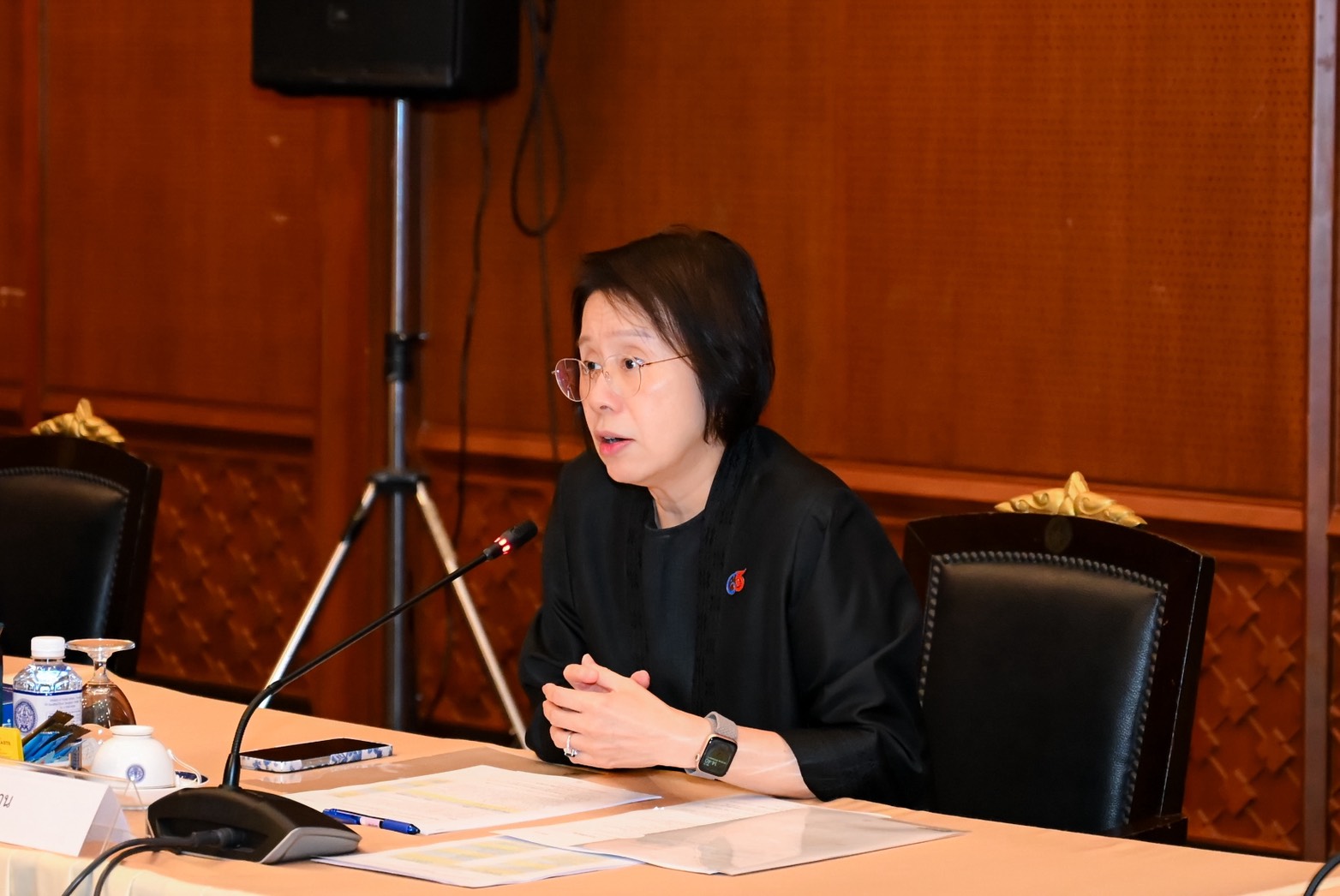
The meeting convened following visits undertaken by the Prime Minister to Malaysia and China. The statement does not specify the dates of these visits, but it references “outcomes” that require review and coordinated follow-up actions. Representatives from over 20 relevant agencies participated in the session, highlighting a broad institutional commitment to aligning domestic policy with international engagements. This suggests an established framework for coordinating foreign policy initiatives across Thailand’s governmental apparatus.
Analysis
The meeting’s stated objective – “accelerating efforts to advance cooperation towards tangible outcomes”– reveals a strategic shift away from primarily symbolic diplomatic engagement. Focusing on defense and security, trade, investment, connectivity, artificial intelligence, and environmental protection indicates a prioritization of sectors where Thailand seeks demonstrable gains. The inclusion of ‘artificial intelligence’ is particularly noteworthy, reflecting broader global trends in technological development and signaling Thailand’s intention to engage with leading nations in this domain. If implemented as described, this approach could potentially create new dependencies on China and Malaysia for advanced technologies or military equipment. The statement does not address the potential risks associated with such a concentrated focus.
Implications
For policymakers, the intensified coordination signals a commitment to operationalizing Thailand’s “5S Foreign Affairs Masterplan,” a 20-year strategy aiming for strategic stability and sustainable development. This approach has significant implications for regional stability, particularly in Southeast Asia, where Thailand’s relationships with China and Malaysia hold considerable influence. The emphasis on trade and investment could reshape Thailand’s economic ties, potentially altering its position within existing trading blocs. Should the visit yield success in connectivity initiatives – specifically regarding infrastructure projects – it would represent a substantial boost to regional integration.
Outlook
Should the meeting’s outcomes be successfully translated into concrete agreements with Malaysia and China, Thailand could strengthen its strategic partnerships. If the focus on artificial intelligence proves fruitful, this suggests a move towards greater technological self-reliance. However, should these efforts fail to deliver tangible benefits – particularly in defense or security – it would raise questions about the effectiveness of Thailand’s diplomatic strategy and potentially strain relationships with key partners.
Conclusion
The meeting’s emphasis on accelerating cooperation leaves open a crucial question: will Thailand’s efforts to translate high-level engagements into tangible outcomes succeed in bolstering its strategic position within the evolving geopolitical landscape of Southeast Asia?