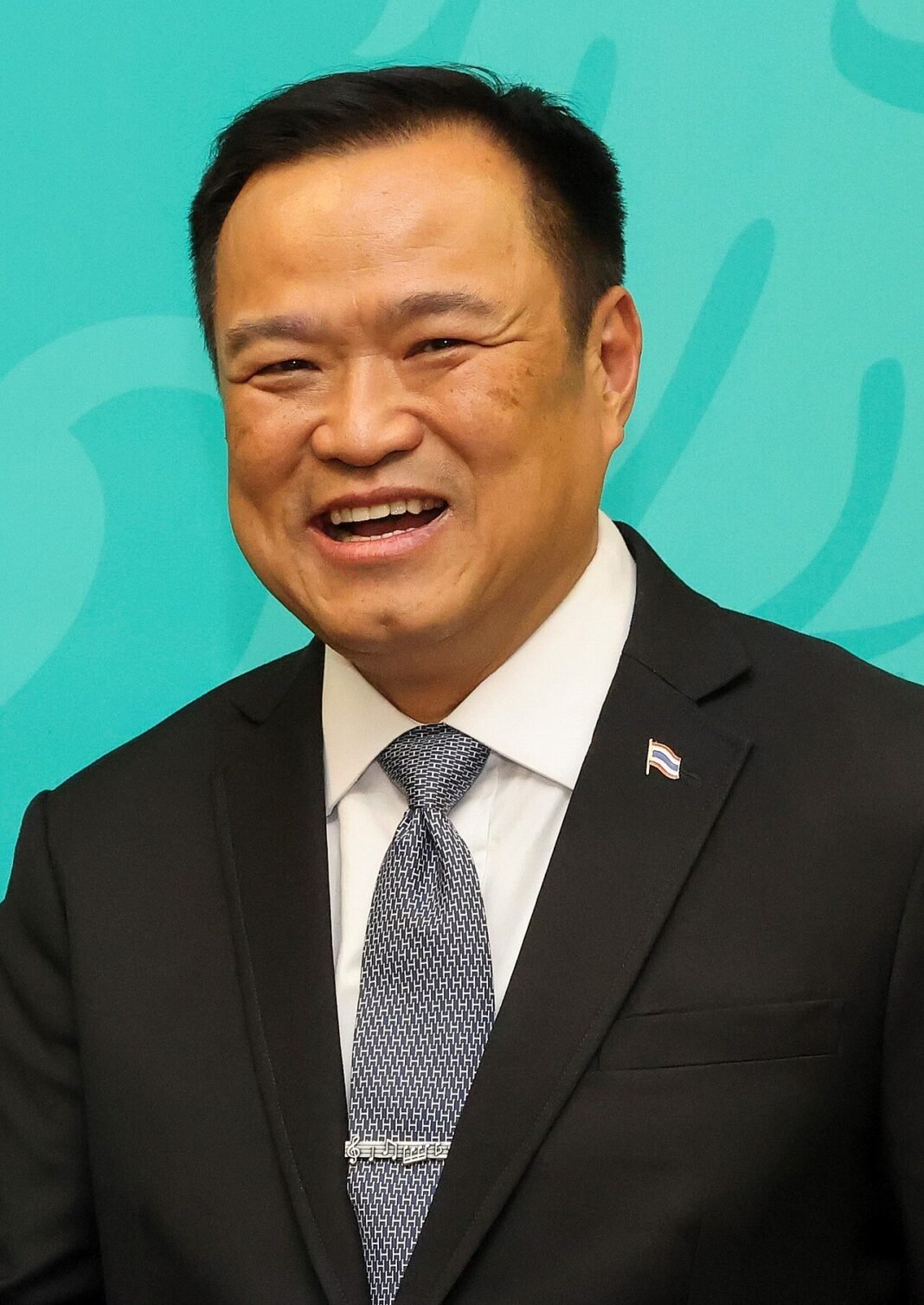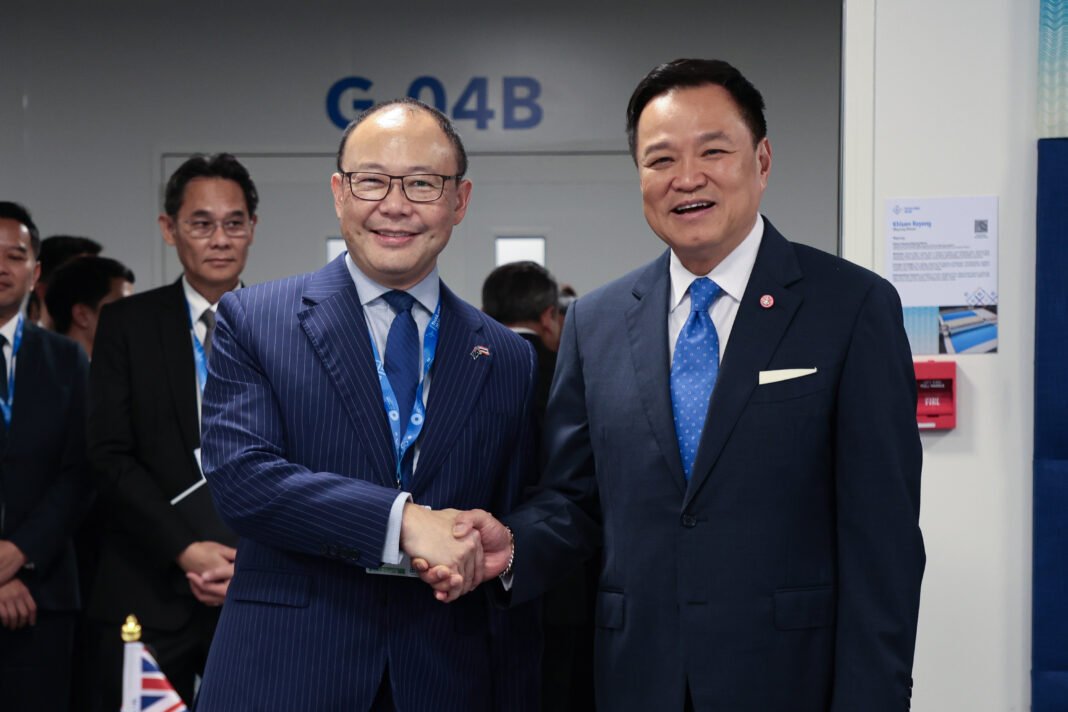
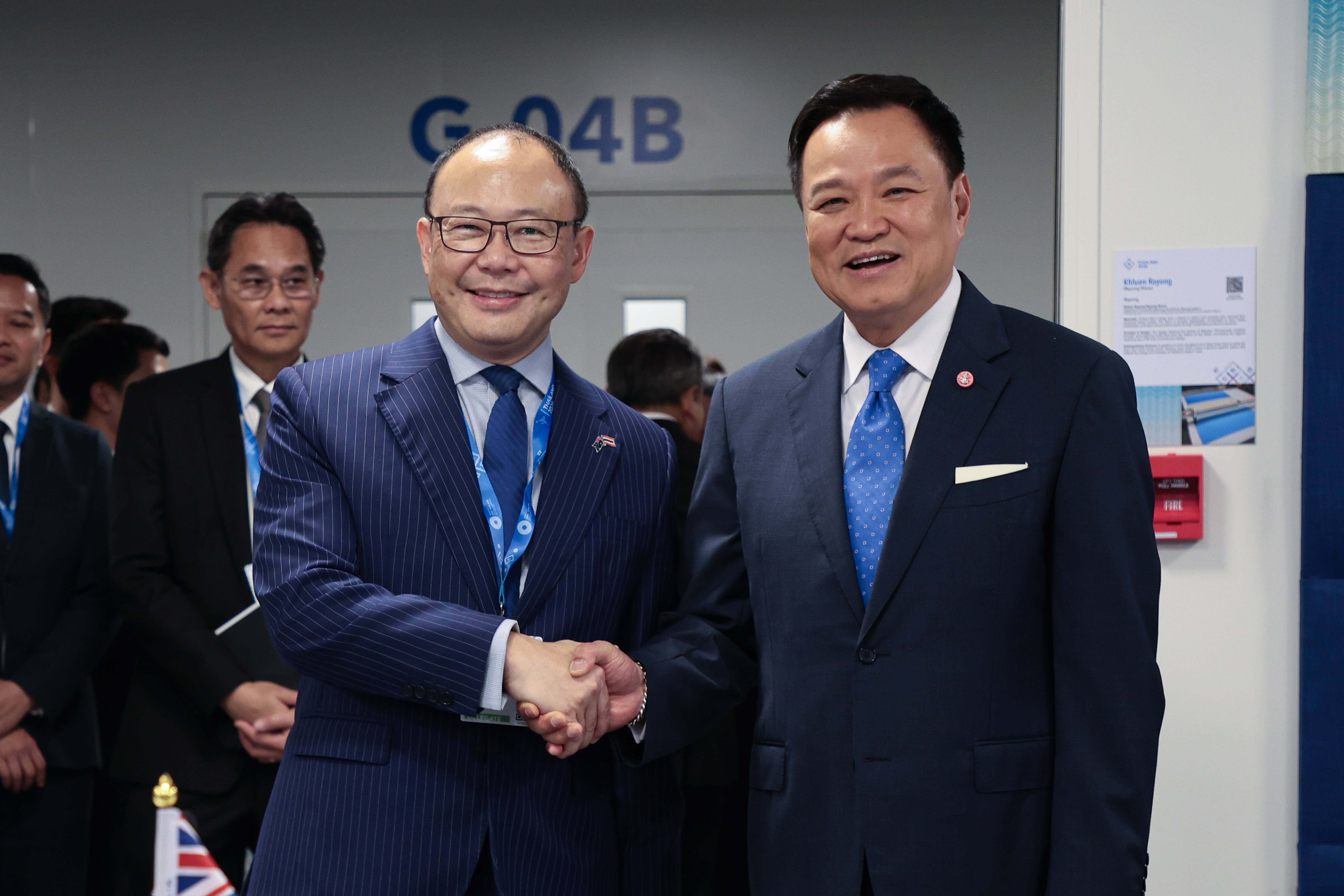
As set out in a formal announcement, On 23 October 2026, Vice Minister for Foreign Affairs Mr. Sarun Charoensuwan attended a meeting between Prime Minister Anutin Charnvirakul and Australian Ambassador Pablo Kang, alongside a delegation of Australian institutional investors. This event, held on the sidelines of the 2026 IMF–World Bank Group Annual Meetings at the Queen Sirikit National Convention Centre in Bangkok, underscores Thailand’s ongoing efforts to attract foreign direct investment. The statement’s core assertion – that the Prime Minister reaffirmed the government’s commitment to investor confidence – highlights a key objective within Thailand’s broader economic strategy.
Background
The meeting occurred within the context of Thailand’s “5S” Foreign Affairs Masterplan, a 20-year strategy aiming to strengthen strategic relationships and promote sustainable development. Prior to this event, the Ministry of Foreign Affairs had engaged in discussions with various international partners regarding investment opportunities, particularly focusing on infrastructure, digital technology, and clean energy. The statement references the government’s stated target of becoming a member of the OECD by 2028, demonstrating a long-term vision for economic integration and regulatory alignment. Furthermore, the meeting aligns with previous statements by the Ministry, such as the 22 October 2026 meeting with the WTO Director-General, signaling a sustained engagement with key international organizations. The 12 October 2026 meeting with the Ambassador of Bangladesh further demonstrates a consistent diplomatic prioritization of engagement with regional partners.
Analysis
The Prime Minister’s emphasis on transparency and good governance, coupled with regulatory reforms, represents a calculated attempt to address investor concerns. The explicit invitation to Australian institutional investors to expand their investments in capital markets, agriculture, food industries, clean energy, digital technology, advanced manufacturing, education, and infrastructure projects suggests a targeted approach to diversifying Thailand’s economy. The delegation’s expressed interest in Thailand’s infrastructure projects, digital development, and energy transition indicates a recognition of Thailand’s potential as a regional hub. The inclusion of university partnerships to facilitate knowledge transfer and develop Thailand’s human resources suggests a focus on long-term economic development beyond immediate investment returns. The stated assets of the Australian investors – approximately AUD 2 trillion – represent a significant potential influx of capital, contingent on the successful implementation of the government’s proposals.
Implications
For policymakers, the meeting’s outcome – should the visit yield increased investor interest – will directly impact Thailand’s economic growth projections. The stated goal of OECD membership by 2028 carries significant implications for Thailand’s regulatory environment and economic policies. Increased investment in infrastructure and digital technology could accelerate Thailand’s development trajectory, but also presents challenges related to sustainability and social equity. The potential for collaboration with Australian universities could bolster Thailand’s human capital, addressing a key constraint on economic competitiveness. Regionally, the meeting reinforces Thailand’s role as a key player in Southeast Asia’s economic integration.
Outlook
Should the Prime Minister’s invitation be accepted and translate into concrete investment commitments, the Thai government’s plans for mobilizing funding through various channels – including the capital market – will become critical. If the Australian institutional investors’ interest in sustainable finance materializes, it could incentivize Thailand to further develop its green economy initiatives. Should the government successfully navigate the complex regulatory landscape and implement the proposed reforms, Thailand could position itself as a more attractive destination for foreign investment, bolstering its economic prospects.
Sources & Further Reading
- Official press release
- Foreign ministry source
- Deputy Prime Minister and Minister of Foreign Affairs meets with WTO Director-General on the sidelines of the 2026 IMF-World Bank Group Annual Meetings (22 Oct 202)
- Permanent Secretary for Foreign Affairs meets with Ambassador of Bangladesh to Thailand (12 Oct 202)
- Permanent Secretary for Foreign Affairs meets with Ambassador of Japan to ASEAN (22 Oct 202)