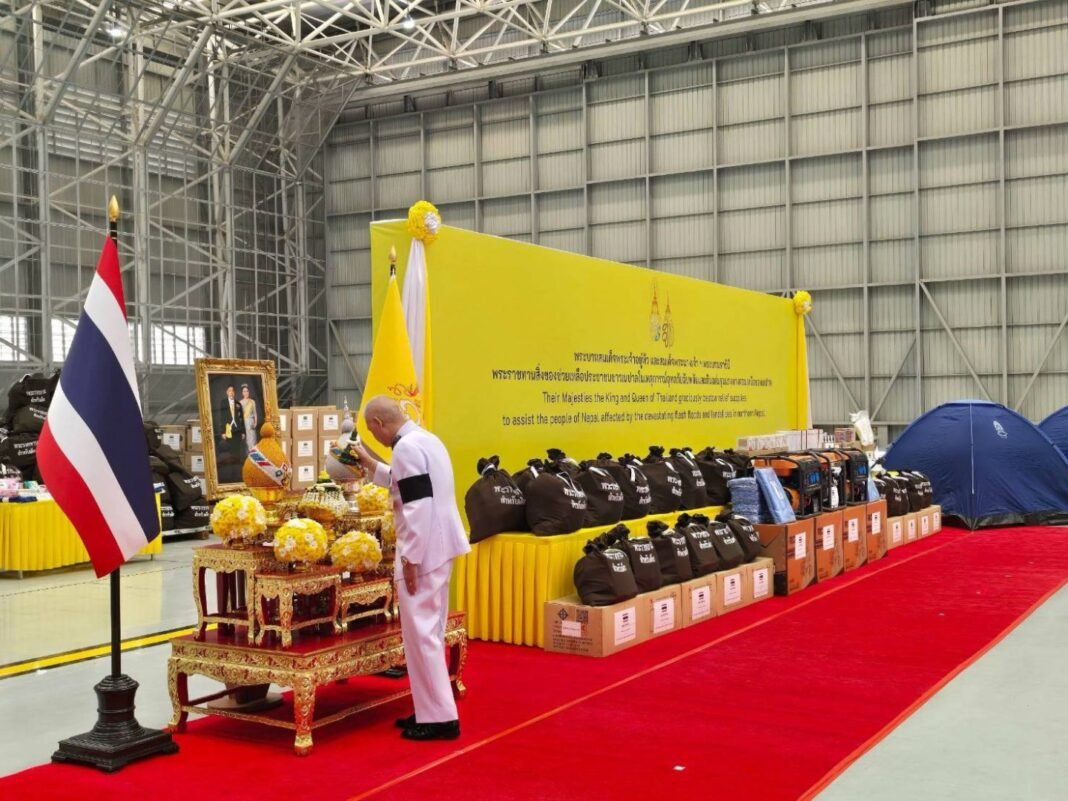
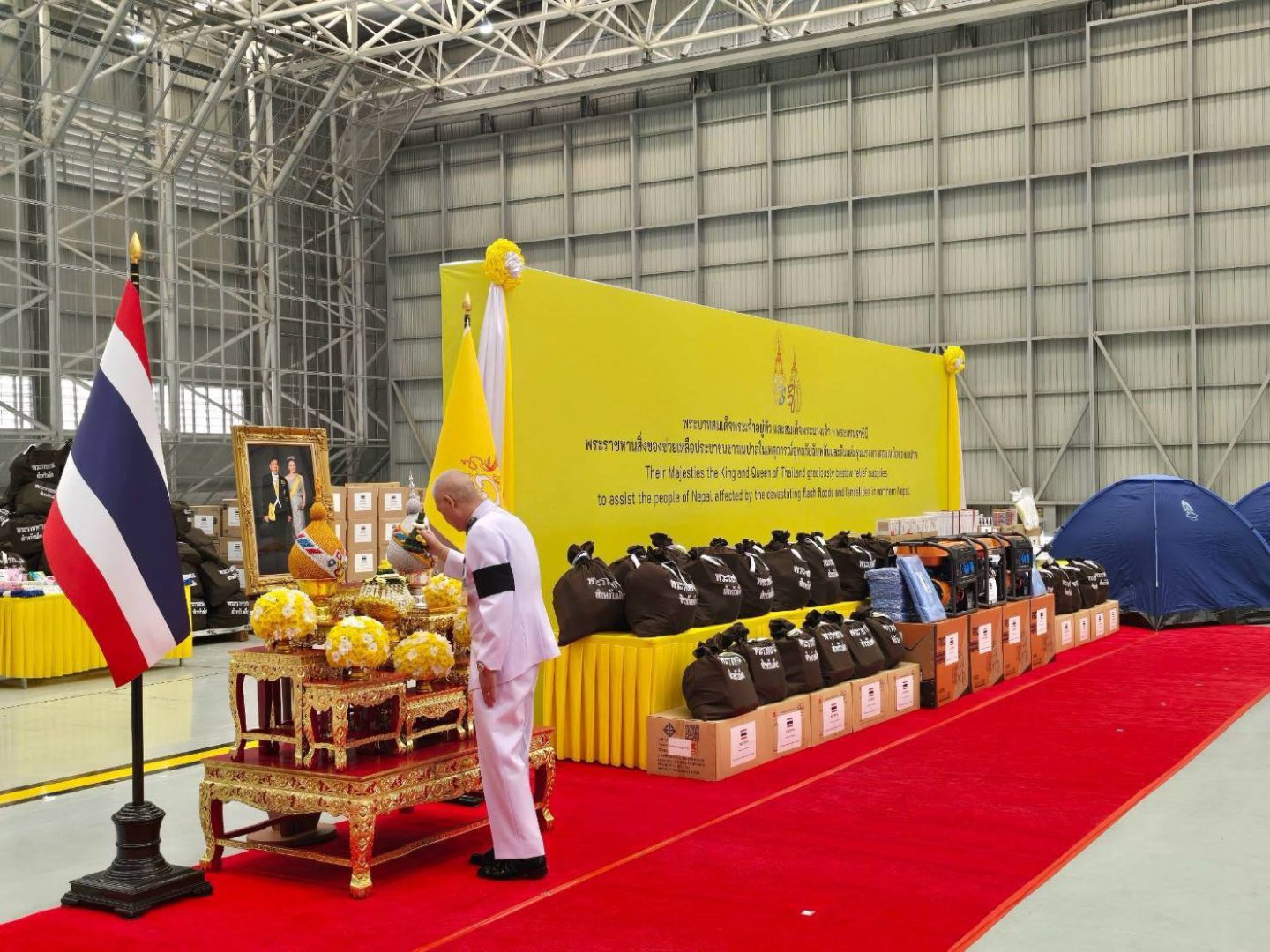
As set out in a formal announcement, His Majesty King Maha Vajiralongkorn Phra Vajiraklaochaoyuhua and Her Majesty Queen Suthida Bajrasudhabimalalakshana have graciously authorized the provision of humanitarian assistance to Nepal following recent flash floods and mudslides. This action, detailed in a press release dated 5 September 2026, involves the dispatch of relief items via the Royal Thai Air Force. The statement does not mention the scale of damage inflicted by the natural disaster, but it indicates that this support is part of Thailand’s broader “5S” Foreign Affairs Masterplan – a 20-year initiative focusing on Stability, Security, Sustainability, and Service.
Background: Thailand’s foreign policy has historically prioritized regional stability and cooperation. The “5S” Masterplan, outlined in the Council of Ministers’ Policy Statement, reflects a strategic shift towards proactive engagement within Southeast Asia. Prior to this delivery, on 3 September 2026, the Vice Minister for Foreign Affairs signed the Condolence Book following reports of the disaster in Nepal. Furthermore, on 4 September 2026, the Deputy Prime Minister and Minister of Foreign Affairs was scheduled to pay a working visit to Malaysia – a separate initiative reflecting Thailand’s diplomatic engagement with neighboring countries. These actions demonstrate an ongoing effort to maintain bilateral relations across Southeast Asia, as documented in the Ministry’s archive. The statement does not address whether these prior engagements influenced the timing or nature of the Nepal relief shipment.
Analysis: The provision of humanitarian assistance represents a calculated move by Thailand, aligning with the stated objectives of its “5S” policy. The dispatch underscores Bangkok’s commitment to regional stability and demonstrates an operationalization of its foreign policy doctrine. This action is predicated on the perception of a need for support in Nepal – a nation facing significant challenges following the natural disasters. The involvement of Air Chief Marshal Johm Rungsawang, Privy Councillor, elevates the symbolic weight of this gesture, suggesting a prioritization of diplomatic goodwill and potential long-term strategic considerations within Thailand’s foreign policy framework. This shipment also represents an element of the Thai government’s broader efforts to demonstrate its commitment to regional stability through practical assistance.
Implications: The arrival of relief supplies carries implications for Thailand’s regional standing. Demonstrating a willingness to assist neighboring nations strengthens Bangkok’s image as a reliable partner within Southeast Asia, potentially bolstering relationships with key ASEAN members. Should the visit yield positive diplomatic outcomes alongside this humanitarian aid, it could contribute to broader efforts to promote stability in the region. The delivery of essential supplies – tents, sleeping bags, and generators – directly addresses immediate needs within Nepal, mitigating some of the consequences of the disaster. However, the statement does not address the potential for future assistance or a more comprehensive engagement with the Nepali government beyond this initial shipment.
Outlook: If the visit to Nepal secures continued access and support from international partners, Thailand could leverage this relationship to advance its own strategic interests within Southeast Asia. Should the delivery of supplies be met with gratitude and positive diplomatic signals from the Nepali authorities, it may pave the way for further cooperation on issues such as trade, security, or infrastructure development. The Ministry’s proactive approach – dispatching aid swiftly after the disaster – suggests a preparedness to respond to future crises within the region. However, the statement does not mention any contingency plans for sustained engagement or long-term reconstruction efforts in Nepal.
Conclusion: The provision of humanitarian assistance to Nepal marks a tangible manifestation of Thailand’s foreign policy objectives, but it remains unclear whether this gesture will translate into a more substantial and enduring partnership with the nation. The immediate priority is the delivery of essential supplies; however, the broader question remains regarding Thailand’s long-term strategic calculus in the region.
Sources & Further Reading
- Official press release
- Foreign ministry source
- Vice Minister for Foreign Affairs signs the Condolence Book following the Flash Floods and Landslides in Nepal (5 Sep 2026)
- Director-General of Information Department and Spokesperson of the Ministry of Foreign Affairs meets with Spokesperson of the U.S. Embassy in Thailand (1 Sep 2026)
- Deputy Prime Minister and Minister of Foreign Affairs to pay a working visit to Malaysia (4 Sep 2026)