Background
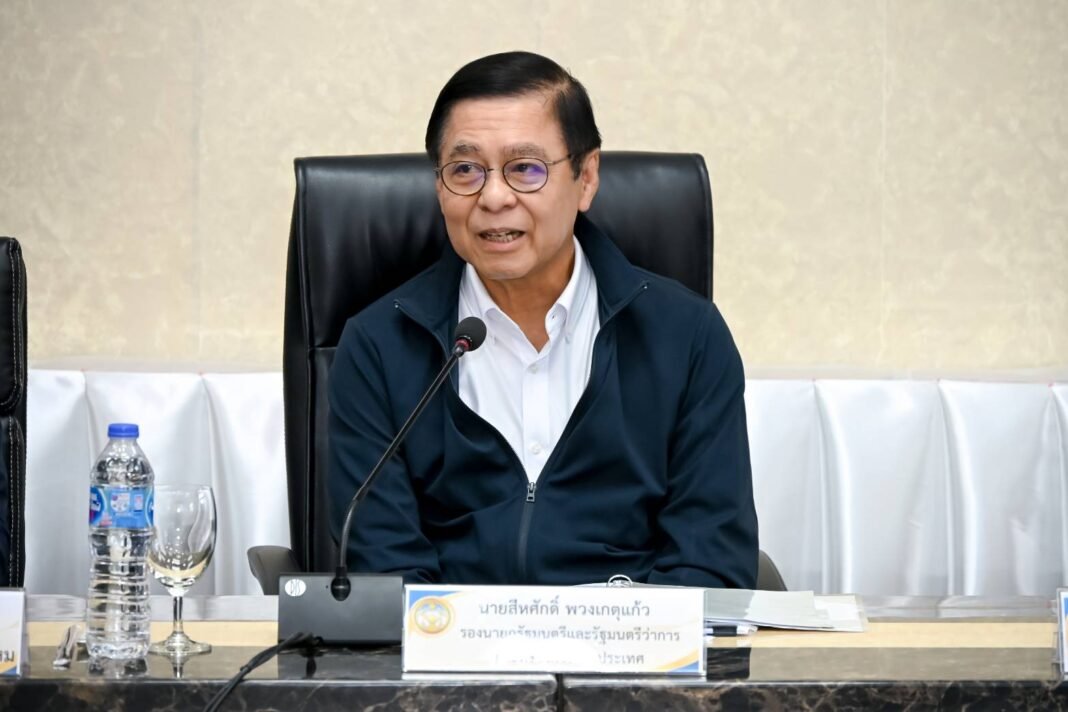
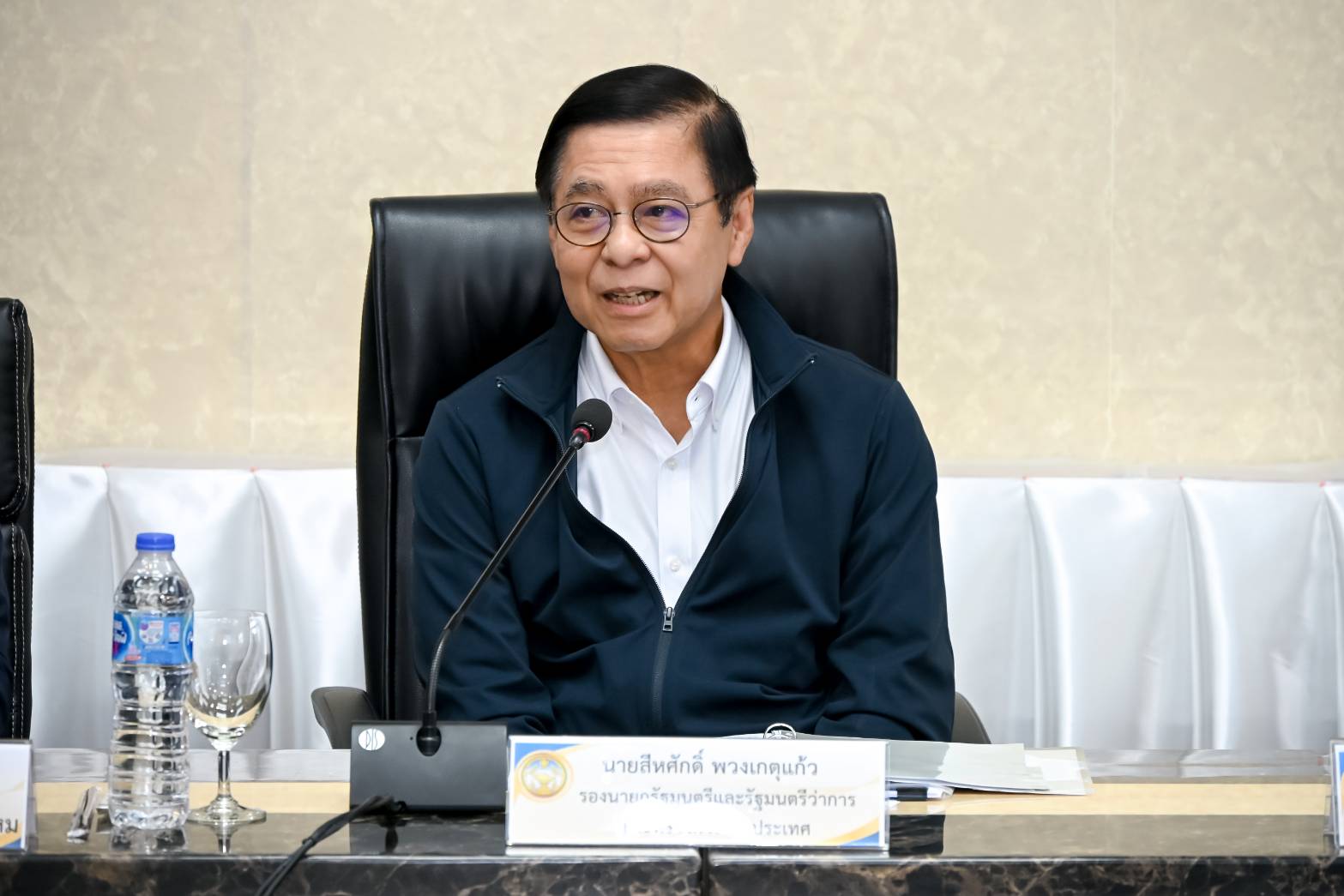
The 20-Year “5S” Foreign Affairs Masterplan, outlined in the Ministry of Foreign Affairs’ policy statement, emphasizes regional security as a core component. The Mobile Cabinet Meetings are designed to facilitate direct engagement with provincial officials and stakeholders on key national priorities. The focus group discussion follows previous meetings aimed at developing strategies for addressing ongoing challenges within Thailand’s southern border provinces. The statement does not detail the timeline of this masterplan or any previous initiatives related to these provinces.
Analysis
The Ministry’s action— convening a focus group in Songkhla Province— demonstrates an ongoing commitment to address security issues within the five southern border provinces. This suggests that the government recognizes the critical importance of maintaining stability and improving the quality of life for residents in these areas. The inclusion of the Minister of Justice alongside the Ministers of Defence and Police indicates a coordinated effort involving multiple branches of the Thai government. If implemented as described, this initiative could potentially bolster efforts to foster greater cooperation between security forces and local communities. However, the statement does not address potential challenges such as entrenched grievances or the complex interplay of political, economic, and social factors contributing to instability in the region. The absence of concrete details regarding resource allocation raises questions about the practical feasibility of achieving sustainable improvements.
Implications
The focus on enhancing security in the southern border provinces has immediate implications for regional stability within Southeast Asia. Should the initiative yield positive results, it could potentially serve as a model for addressing similar challenges in other conflict-affected areas. The event signals an increased emphasis on domestic security policy, potentially impacting Thailand’s engagement with international partners involved in counterterrorism efforts. The Ministry’s actions regarding trade and investment in these provinces are not addressed; the statement does not mention any implications for regional supply chains or economic partnerships.
Outlook
If the visit yields a clear framework for collaboration, should the Prime Minister endorse the proposed approaches, further discussion is needed on funding mechanisms to support long-term security initiatives. The Ministry’s approach— focused solely on enhancing security— leaves open questions regarding broader development strategies and addressing underlying socio-economic disparities within the southern border provinces. If progress remains limited without tangible investment in education or economic opportunities, the statement does not address the potential for further instability and unrest.
Conclusion
The focus group discussion represents a continuation of Thailand’s engagement with security challenges in its southernmost provinces; however, the lack of specifics regarding implementation leaves open questions about the Ministry’s ability to deliver sustained improvements and secure long-term stability.