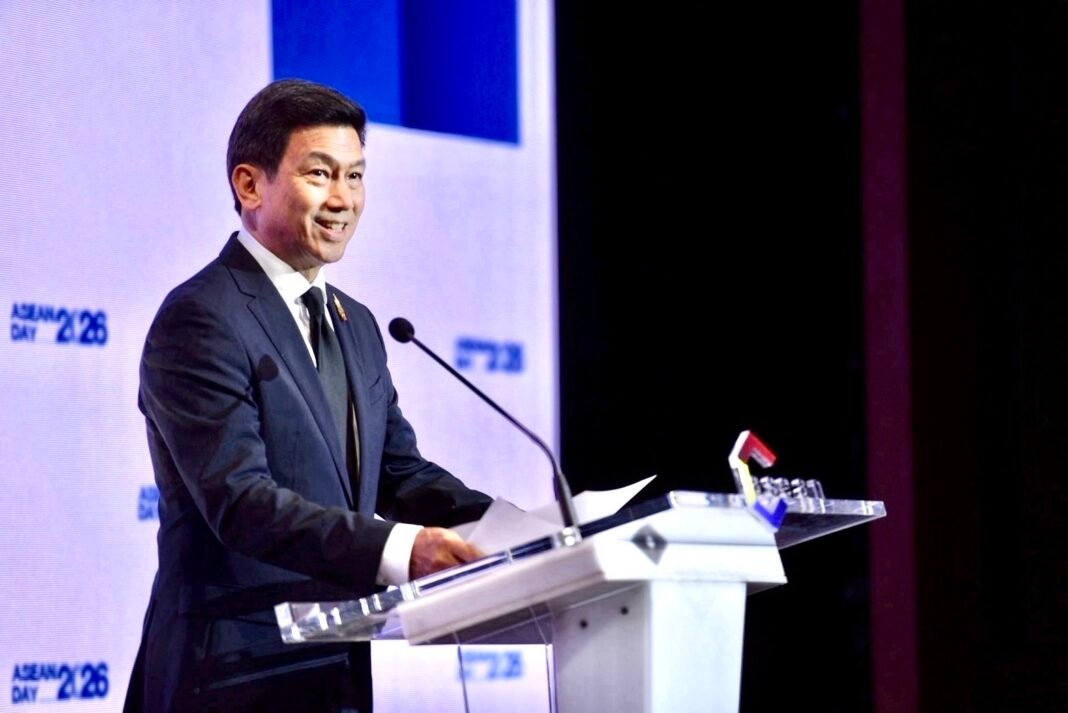
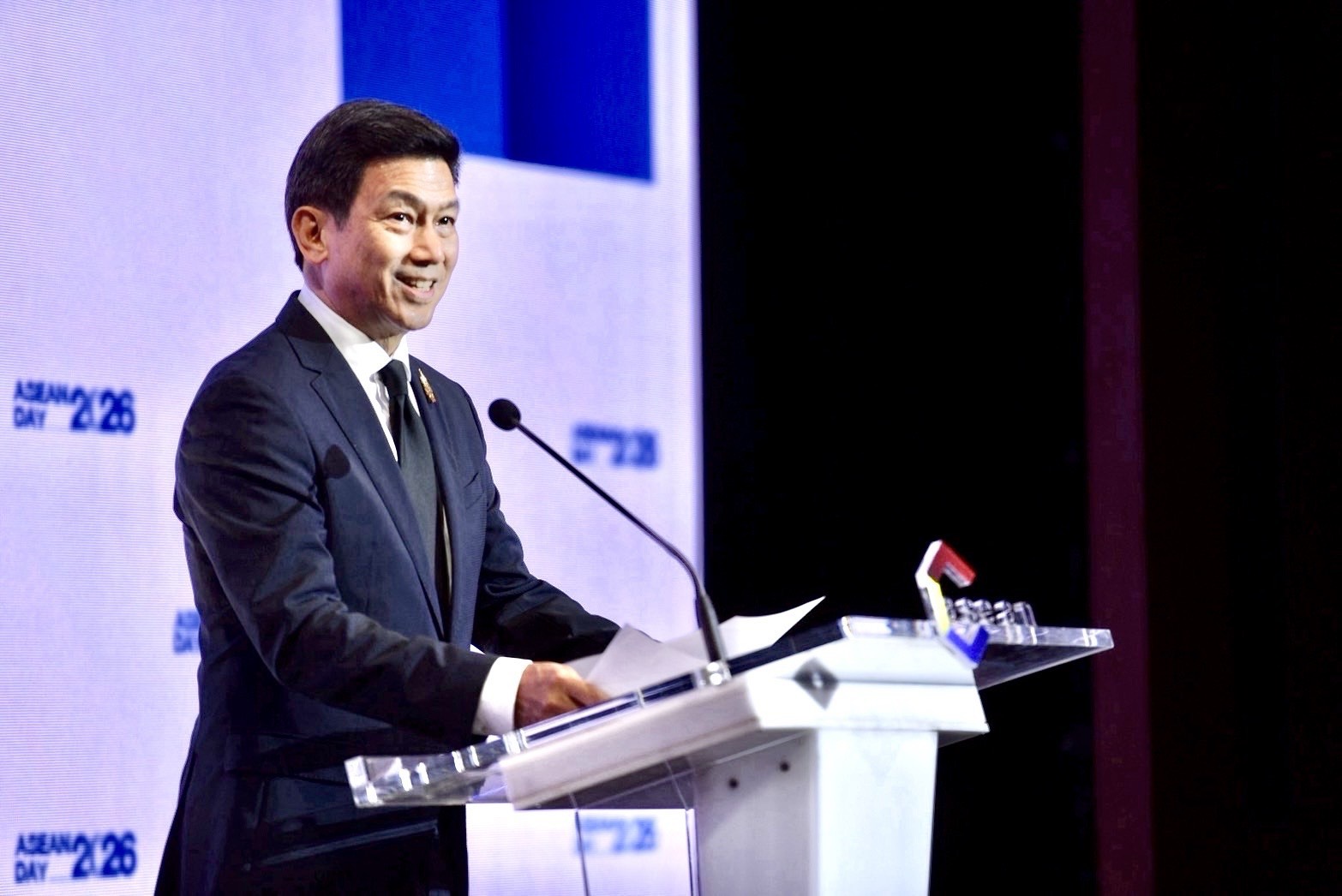
Reporting in a government statement, The most consequential concrete fact from the press release is that H.E. Mr. Parnpree Bahiddha-Nukara, Chairman of the Advisory Board to the Deputy Prime Minister and Minister of Foreign Affairs, delivered a keynote speech at the C asean Forum in Bangkok on 7 August 2026. This matters because it represents Thailand’s stated ambition to shape ASEAN’s future direction – particularly as the country prepares to assume the Chairmanship in 2028. The release offers no immediate insight into the specific priorities driving this engagement or the mechanisms for achieving them.
Background
The event, organized by C asean—a social enterprise—aligned with celebrations of the 59th anniversary of ASEAN. Over 270 participants attended, representing embassies of ASEAN member states, private sector entities and academic institutions. The statement references a “20-Year ‘5S’ Foreign Affairs Masterplan,” suggesting a long-term strategic framework for Thailand’s foreign policy engagement. Further context is provided by the ongoing Department of ASEAN Affairs activities, including congratulatory remarks from Acting Director-General Vathayudh Vichankaiyakij and participation by Deputy Director-General Suchada Maktara in the ASEAN Youth Speech Contest 2026. The presence of C asean highlights the Ministry’s recognition of non-governmental organizations as key partners in advancing ASEAN integration.
Analysis
The Chairman’s focus on “Resilient ASEAN: Connectivity as a Competitive Advantage” indicates Thailand’s assessment that economic interdependence is paramount to regional stability. This suggests an intent to leverage ASEAN’s collective strength, particularly through enhanced trade and investment flows. The emphasis on strengthening regional integration and deepening cooperation across multiple sectors—economy, security, health, digital, green agenda—reflects the broad scope of Thailand’s foreign policy ambitions. However, the statement does not address the potential tensions between these diverse priorities or acknowledge any existing disagreements among ASEAN member states. The inclusion of the private sector is a deliberate attempt to broaden the base of support for ASEAN initiatives, potentially mitigating criticism regarding government-led development models. This suggests an understanding that genuine progress requires significant investment and operational capacity from within the region.
Implications
For policymakers, this speech signals a commitment to actively shaping ASEAN’s agenda, particularly in the lead-up to Thailand’s Chairmanship. Should the visit yield support for increased private sector involvement, it could bolster Thailand’s diplomatic leverage within the bloc. This also has implications for regional stability—increased connectivity is often viewed as a tool to reduce tensions and foster cooperation among neighboring nations. The focus on accelerating trade and investment flows will undoubtedly impact Thailand’s own economic growth prospects, assuming this momentum translates into actual deals. However, the statement does not address concerns regarding equitable distribution of benefits or potential disparities in regional development.
Outlook
If the visit yields support for increased private sector involvement, should the emphasis on strengthening regional integration succeed, Thailand could position itself as a key driver of ASEAN’s economic dynamism. Conversely, if engagement remains limited to rhetorical commitments without concrete action, Thailand risks reinforcing perceptions of inaction within the ASEAN framework. The statement does not address any potential challenges associated with balancing cooperation with national interests, particularly in areas such as energy security or maritime disputes.
Conclusion
The press release outlines a strategic direction for Thailand’s foreign policy—a prioritization of connectivity and private sector engagement. However, it concludes without detailing the resources allocated to these initiatives or specifying measurable outcomes—leaving open the question of whether Thailand’s ambition will translate into tangible improvements within ASEAN.