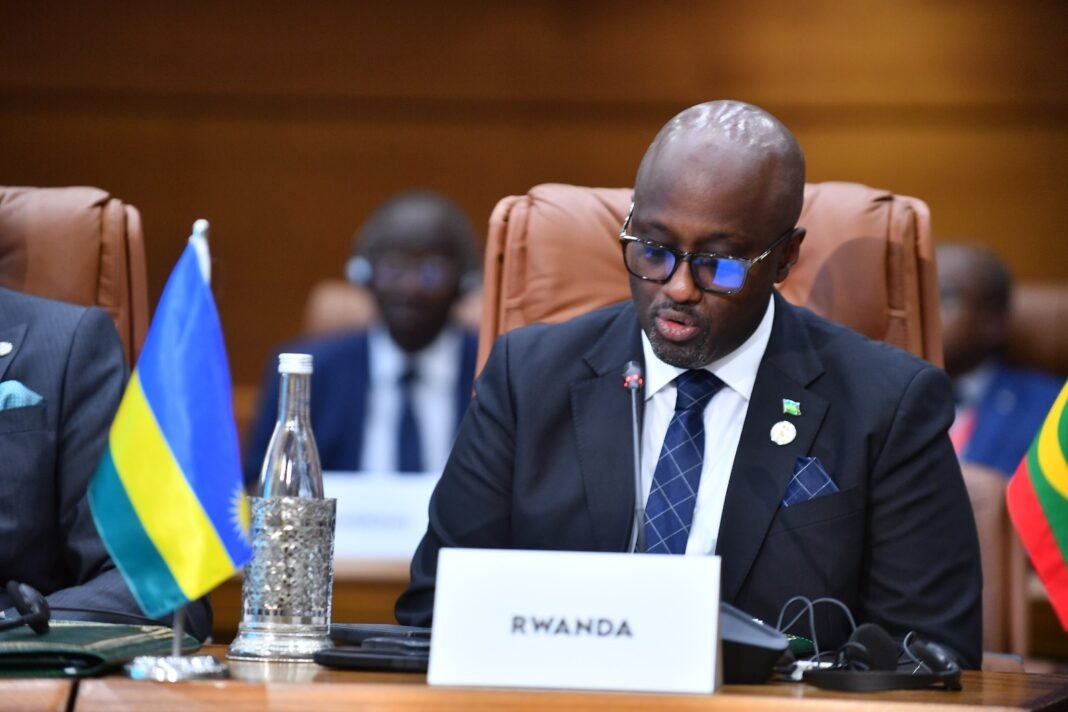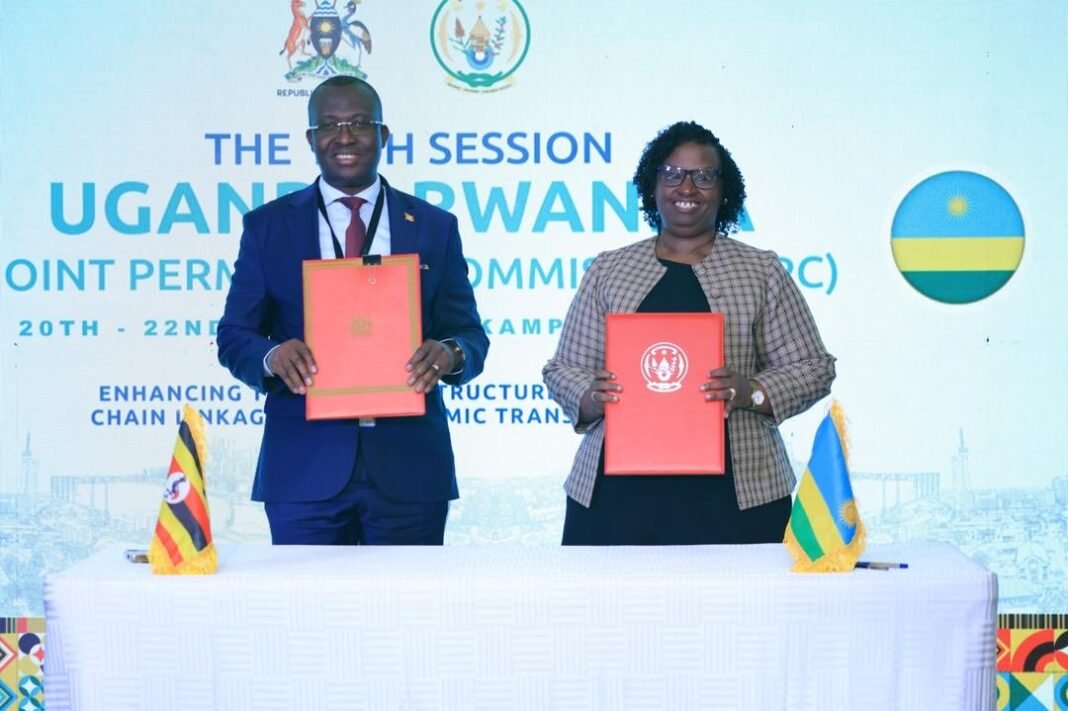
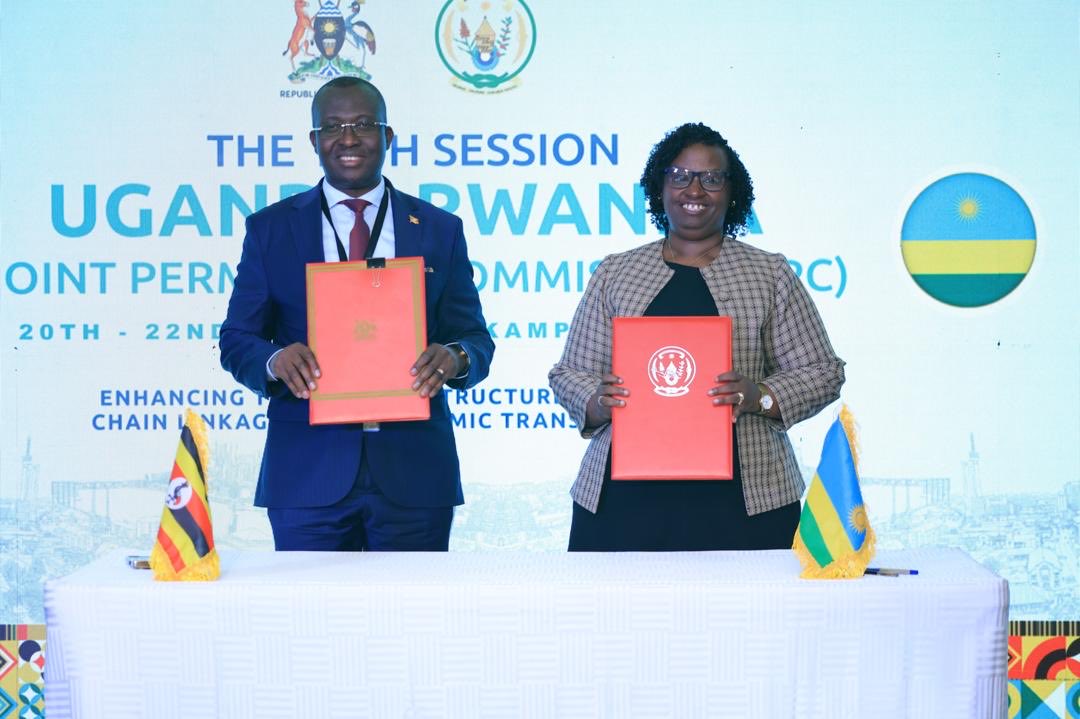
In a published statement ahead of the visit, Rwanda and Uganda signed four Memoranda of Understanding (MoUs) aimed at further strengthening bilateral cooperation, during the Ministerial segment of the 12th Joint Permanent Commission (JPC) held in Kampala, Uganda. The statement does not mention a specific date for this signing. This event matters because it formalizes a renewed effort to collaborate between two nations with historically complex relations.
Background: The 12th Joint Permanent Commission (JPC) remains a key bilateral mechanism for translating political will into tangible, results-oriented cooperation. The JPC provides a platform to review progress on existing commitments, address outstanding issues, and explore new opportunities for partnership. Prior meetings of the JPC have focused on security concerns and trade relations between Rwanda and Uganda. The statement does not mention any specific prior agreements or timelines leading up to this signing.
Analysis: The signing of these MoUs reflects a continued commitment of both countries to deepen collaboration and advance shared development priorities. The focus areas – health, agriculture, education, and local governance – represent significant sectors for economic growth within both Rwanda and Uganda. If implemented as described, the agreements could contribute towards improved public services and increased trade flows between the two nations. However, the statement does not address potential disagreements over border disputes or security concerns that have previously impacted cooperation. It is unclear whether these MoUs will be viewed through the lens of a broader regional strategy involving South Africa.
Implications: The commitment to strengthen bilateral cooperation has implications for regional stability. Should the visit yield tangible results in areas like trade and infrastructure, it could contribute to reducing tensions. However, if outstanding issues remain unresolved, the agreements could exacerbate existing disagreements. The signing also indicates Rwanda’s continued engagement with international partners, as evidenced by recent diplomatic activities detailed in other press releases. The agreement does not address potential trade implications or security concerns related to increased collaboration.
Outlook: If the implementation of these MoUs proceeds smoothly, it could foster greater economic integration between Rwanda and Uganda. Should disagreements over border issues arise, it would likely disrupt progress. The continued operation of the Joint Permanent Commission remains critical for managing relations and addressing challenges as they emerge. The statement does not address potential ramifications should the visit yield no significant breakthroughs.
Conclusion: The signing of these MoUs represents a step in Rwanda’s ongoing efforts to diversify its diplomatic engagement, particularly through cooperation with countries like South Africa and Korea. The continued relevance of the Joint Permanent Commission hinges on its ability to navigate competing priorities and deliver tangible results – a task that remains open-ended.