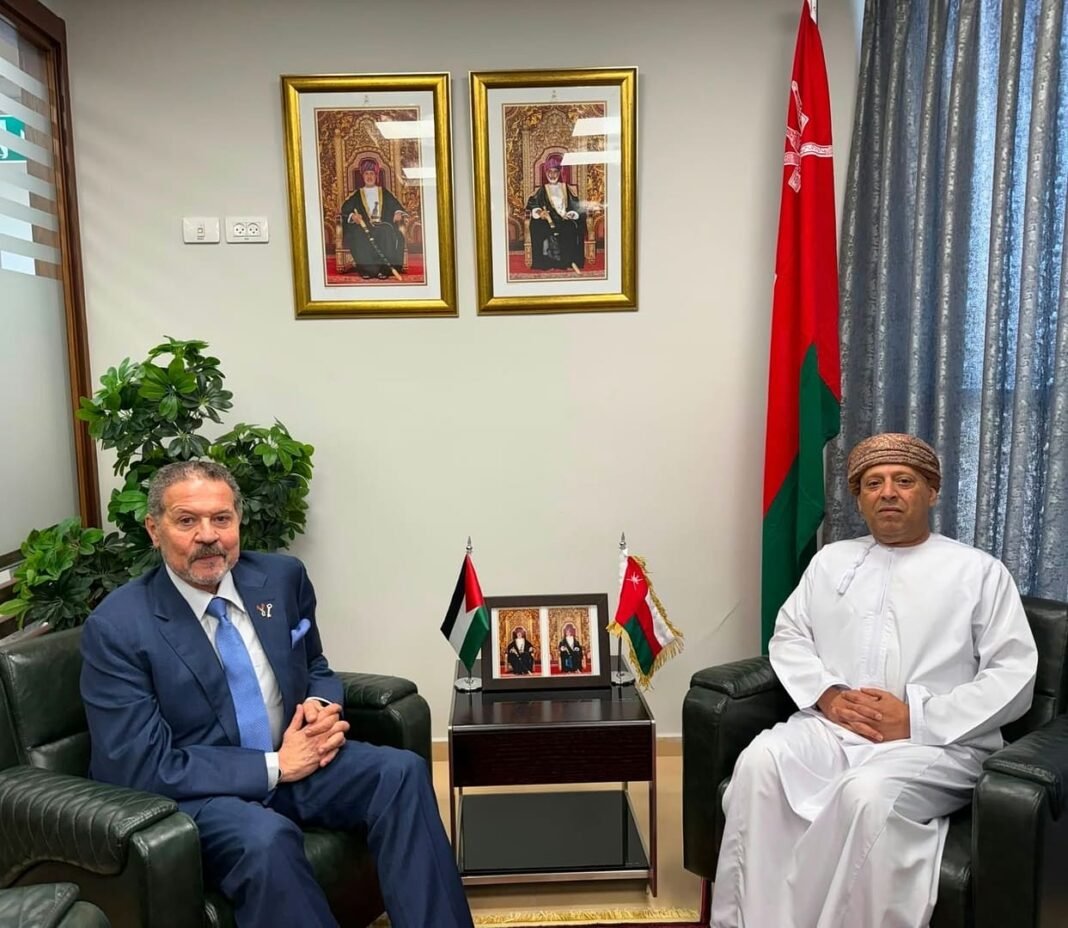
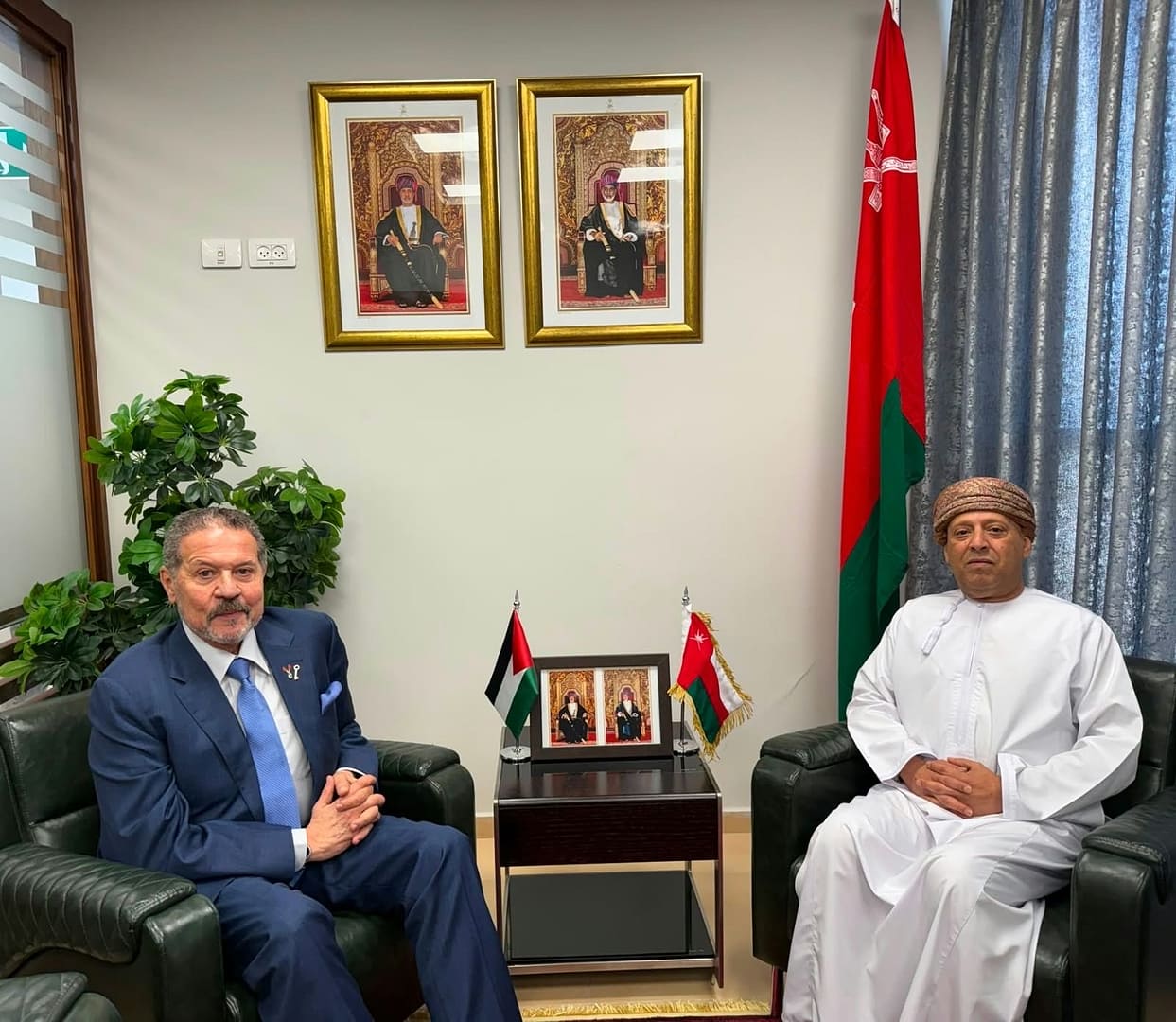
Details in a press release show that On August 16, 2026, Abdullah Al Haddad, Head of the Sultanate of Oman’s Mission to Palestine, received Yasser Mahmoud Abbas, member of Fatah’s Central Committee and Commissioner for Foreign Relations. This meeting, attended by First Secretary Saif Al Salti, focused on relations between Oman and Palestine alongside issues and recent developments of mutual interest. The statement does not mention the specific topics discussed within the meeting. However, the engagement itself – a direct interaction with a senior Fatah official – represents a significant shift in Omani diplomatic strategy toward the Palestinian cause. This action follows previous engagements by the Sultanate with various Palestinian factions.
Background
The statement does not detail prior meetings or agreements between Oman and Palestine. It references the ongoing relationship between Oman and Palestine, alongside issues of mutual interest. The meeting occurred within a broader context of Omani engagement in regional diplomacy, as evidenced by recent statements regarding Colombia’s recognition of Israeli sovereignty over Syrian Golan – a position condemned by Oman on August 12, 2026. Furthermore, the 15 August 2026 statement indicates that the Omani Ambassador presented credentials to the Chilean President, demonstrating continued efforts at multilateral engagement.
Analysis
Oman’s approach to the Israeli-Palestinian conflict has historically been characterized by neutrality and a focus on facilitating dialogue. This meeting with Yasser Mahmoud Abbas suggests a potential deepening of ties with Fatah, a key component of the Palestine Liberation Organisation. The statement does not address Oman’s motivations for this engagement or its assessment of the current political landscape in Palestine. If implemented as described, this signals an increased willingness to directly engage with groups traditionally viewed through a more cautious lens.
Implications
The meeting’s implications are multi-faceted. For policymakers, it suggests a potential shift in Omani foreign policy priorities, potentially bolstering its position as a mediator within the region. The action could embolden other actors seeking to re-evaluate their relationships with both Israel and Palestine. Should Oman continue this engagement, it may influence regional dynamics regarding support for Palestinian factions—particularly if the visit yields further discussions on current developments of mutual interest.
Outlook
If the visit yields further discussions on current developments of mutual interest, Oman’s continued engagement with Fatah could strengthen its position as a key interlocutor. Should this approach remain consistent, it may create space for other regional actors to revisit their own strategies regarding Palestine. The statement does not address whether this meeting represents a long-term strategy or a temporary tactical adjustment.
Conclusion
The engagement with Yasser Mahmoud Abbas highlights Oman’s sustained efforts within the Israeli-Palestinian conflict, but the precise nature of its future role remains unclear. The statement does not offer insight into whether this represents a fundamental realignment or simply a tactical adjustment in a complex and evolving geopolitical environment.