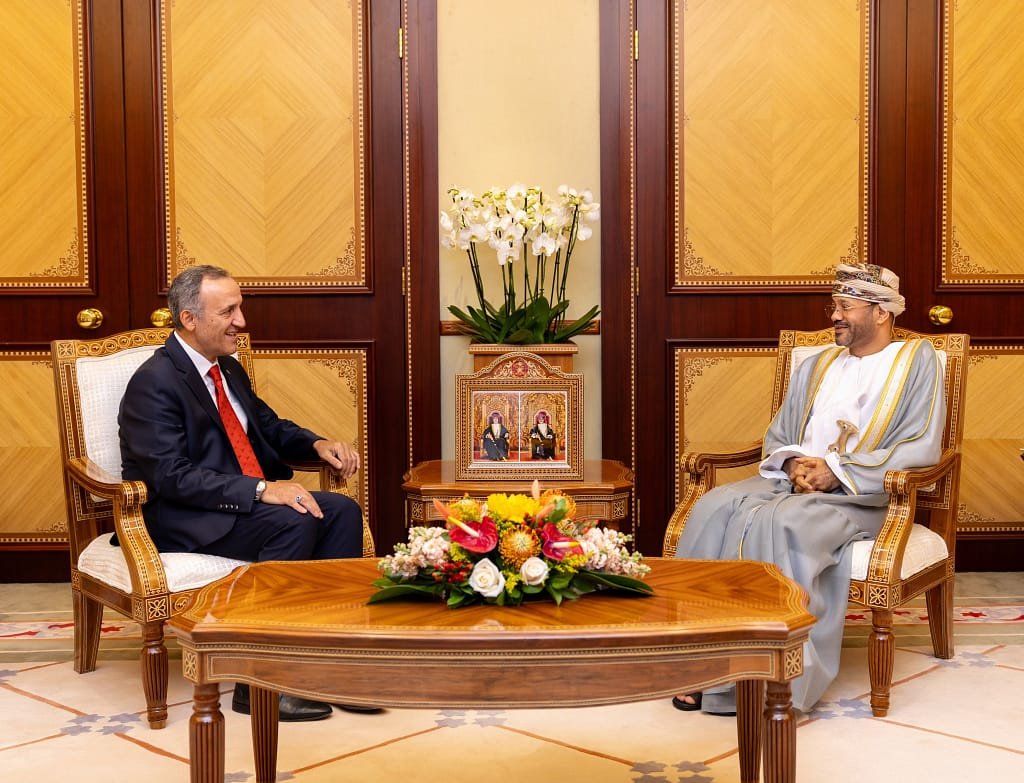
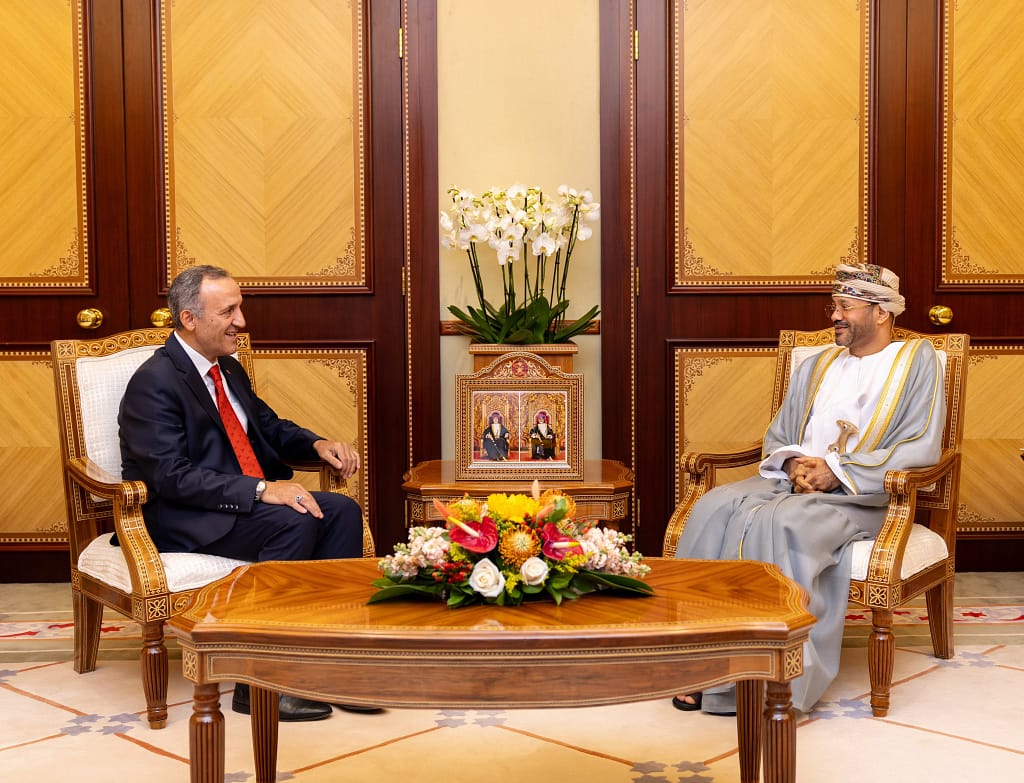
The Minister of Foreign Affairs, Sayyid Badr Albusaidi, received three ambassadors to conclude their tenures in Muscat on 15 September 2026. This activity represents a standard diplomatic protocol, a frequent occurrence within Oman’s foreign policy framework. The meetings underscore the Sultanate’s continued commitment to maintaining strong bilateral relationships with Türkiye, Kuwait, and Thailand, nations with historically significant trade and investment connections. The fact that these farewells occurred highlights Oman’s role as a diplomatic hub within the broader Gulf region, a position reinforced by the ongoing participation of its ambassadors in various regional forums.; see the full statement.
Background
Oman’s diplomatic engagement is largely defined by its longstanding bilateral relations with key regional partners. The Ministry of Foreign Affairs routinely conducts farewell meetings for departing ambassadors, a practice that reflects the importance Oman places on sustained, productive diplomatic engagement. The presence of Ambassador Najib Albalushi, Head of the Protocol Department, across these meetings points to a formalized, established protocol for these occasions. The meetings also demonstrate the established channels of communication between the Omani Foreign Ministry and the diplomatic missions of these nations. The statement does not address the specific terms of any prior agreements or discussions that led to these relationships. The ongoing schedule of meetings suggests a stable, predictable diplomatic environment within the Sultanate.
Analysis
The recurring pattern of farewell meetings suggests a consistent level of diplomatic activity between Oman and these nations. The expressed appreciation from Sayyid Badr Albusaidi for the ambassadors’ efforts indicates a shared understanding of the value of these relationships. The fact that the Minister consistently wishes the ambassadors continued success in their future assignments reflects a pragmatic approach to diplomacy, prioritizing sustained engagement rather than viewing departures as disruptions. The presence of officials from the Protocol Department and specific departments, such as the GCC and Region Department, signals a coordinated effort to manage these transitions. This suggests a structured approach to maintaining these established diplomatic ties. The meetings also highlight the importance of human connections within the broader framework of strategic partnerships. The statement does not address any potential shifts in priorities or strategic alignments that might influence future diplomatic activity.
Implications
The continued exchange of diplomatic visits carries implications for regional stability and Oman’s role as a mediator. The consistent engagement with Türkiye, Kuwait, and Thailand – nations with diverse economic interests – reinforces Oman’s position as a facilitator of trade and investment within the Gulf. The activity demonstrates a commitment to maintaining open channels of communication, a crucial factor in managing regional tensions. The regular meetings contribute to a predictable diplomatic environment, potentially fostering confidence and stability. The statement does not address the potential impact of these relationships on broader geopolitical dynamics or Oman’s strategic alignment with various international actors.
Outlook
Should the visit yield continued opportunities for economic cooperation with Thailand, as indicated by the Ambassador’s expressed appreciation, Oman’s foreign policy will likely remain focused on diversifying its economy and strengthening trade links. If the relationship with Kuwait continues to be characterized by mutual appreciation, the Minister’s wishes for the Ambassador’s future success suggest a sustained commitment to deepening cooperation in areas such as energy and security. The continued activity suggests a stable diplomatic environment, but does not provide a clear indication of future strategic priorities.