
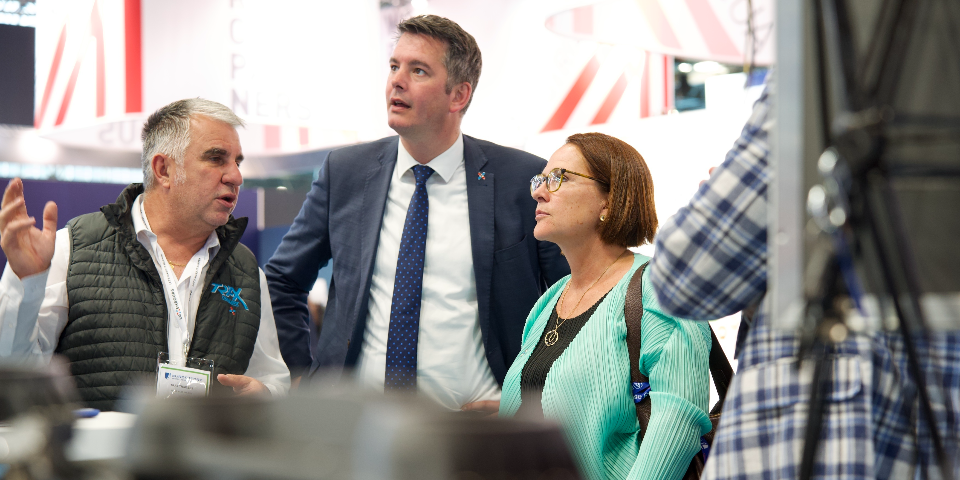
Background: The Eurosatory salon provides a platform for showcasing advancements in defence technology and fostering international collaboration. Previous meetings between Luxembourg officials and French counterparts have focused on strengthening bilateral security cooperation, particularly concerning joint projects involving the French Army (Armées de la France). Agreements established through these interactions often center around access to research and development capabilities and collaborative defense procurement strategies. The statement does not mention specific details of prior agreements but highlights the ongoing nature of this engagement.
Analysis: The presence of Luxembourg’s ministers at Eurosatory reflects a strategic imperative – ensuring the nation’s resilience and maintaining its competitive advantage in defence. This suggests an acknowledgement that technological advancement is critical to Luxembourg’s security posture. The emphasis on “an ecosystem European of defense solid, innovative and integrated” as stated by Backes signals a desire for deeper integration within existing frameworks. If implemented as described, this could lead to increased participation in collaborative defence projects across the EU. However, the statement does not address the potential tensions inherent in such integration – particularly concerning sovereignty and control over strategic technologies. The launch of the Fonds national de défense indicates an intent to directly support these innovative ventures.
Implications: This visit has implications for Luxembourg’s regional security posture. Should the visit yield increased collaboration with France, it could strengthen the nation’s ability to contribute to collective defence efforts within NATO and the European Union. Furthermore, the government’s stated ambition – to “reinforce European sovereignty” – reflects a broader trend among smaller nations seeking greater autonomy in defence matters. The introduction of a new legal framework for defense-related products suggests a deliberate effort to adapt regulatory standards to accommodate emerging technologies and foster innovation within the sector. Should Luxembourg successfully attract investment through these initiatives, it could generate economic benefits – specifically creating qualified employment opportunities.
Outlook: If the government’s support measures are successful in attracting further investment, then Luxembourg’s defence industry could experience significant growth. Should the new legal framework be implemented effectively, it could simplify access to funding and streamline regulatory processes for defense-related businesses. However, if this fails to generate sufficient economic activity, then the stated ambition of “generating a concrete return” may prove elusive.
Conclusion: The Luxembourg government’s participation at Eurosatory 2026 underscores its commitment to strengthening its defence industrial base. The focus remains on fostering innovation and integration within the European security landscape – but the ultimate question is whether these efforts will translate into tangible economic benefits for the Grand-Duchy.