
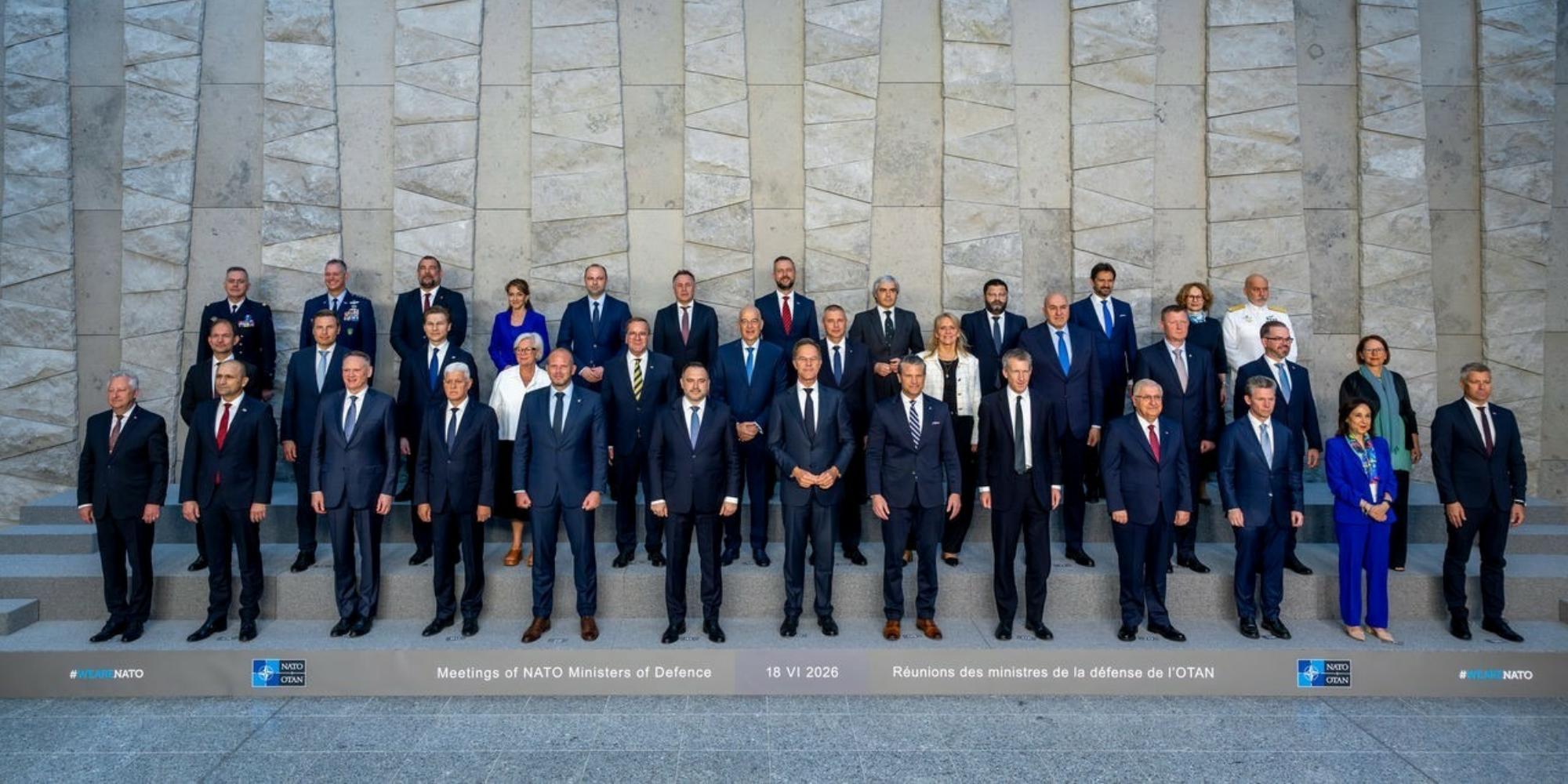
Background to this meeting lies in the commitments made at the NATO summit in La Haye in June 2025. The statement highlights that discussions centered on increased investments by Allies in defense, aligning with those prior undertakings. This context is crucial: the alliance’s focus on “concrete realization of national capabilities” and resource deployment reflects a broader strategic recalibration. Furthermore, the statement references a longer-term debate regarding responsibility sharing within NATO, alongside adaptation of the Alliance’s force model – a persistent concern given ongoing assessments of defense spending across member states. The press release does not address specific budgetary allocations or detailed capacity plans beyond Backes’ outlined trajectory for 2029.
Analysis reveals Luxembourg’s position as a smaller, but increasingly committed, member within this recalibration. The Minister’s emphasis on “predictability and realistic timelines” signals a deliberate attempt to manage expectations regarding future defense commitments. This suggests a prioritization of demonstrable progress within the alliance, rather than ambitious promises that could strain the country’s limited resources. The statement also reveals a tension between supporting NATO’s overall ambition – an “Europe more strong in a stronger NATO” – and the practical constraints imposed by the ongoing reduction in US forces across Europe. This creates a strategic dilemma for Luxembourg: how to maintain its defense posture while mitigating potential vulnerabilities. If implemented as described, this approach seeks to avoid any “critical gaps” in collective defence.
Implications of this engagement extend beyond Luxembourg’s immediate borders. The commitment to bolster European defense capabilities has direct ramifications for the broader Euro-Atlantic security architecture. Should the visit yield a renewed focus on collaborative defense projects, it would strengthen the alliance’s resilience against external pressures. However, the statement does not address potential challenges related to coordination among diverse European defense priorities. Furthermore, Luxembourg’s contribution through the Prioritized Ukraine Requirements List (PURL) – 30 million dollars – underscores its continued support for Ukraine, a key element of NATO’s broader security strategy.
Outlook scenarios hinge on the outcome of the Ankara summit. If the discussions prove fruitful in terms of concrete commitments to enhance European defense capabilities, it would represent a significant step forward. Should this fail to materialize, Luxembourg will likely continue to advocate for a more proactive and coordinated approach within the alliance. The statement does not offer any specific projections regarding future funding levels or force deployments beyond the 2029 timeline.
Conclusion: The press release articulates a measured commitment from Luxembourg, focused on its contribution to a stronger NATO. However, it remains unclear whether this incremental approach will adequately address the evolving security challenges facing the Euro-Atlantic alliance.