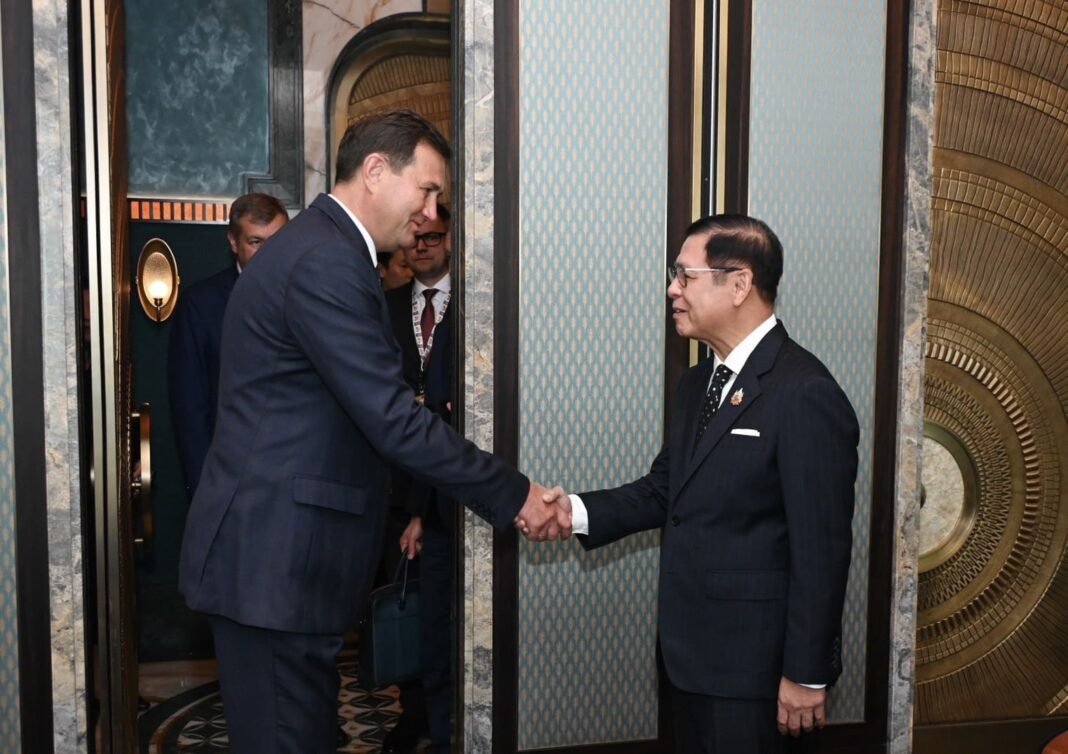
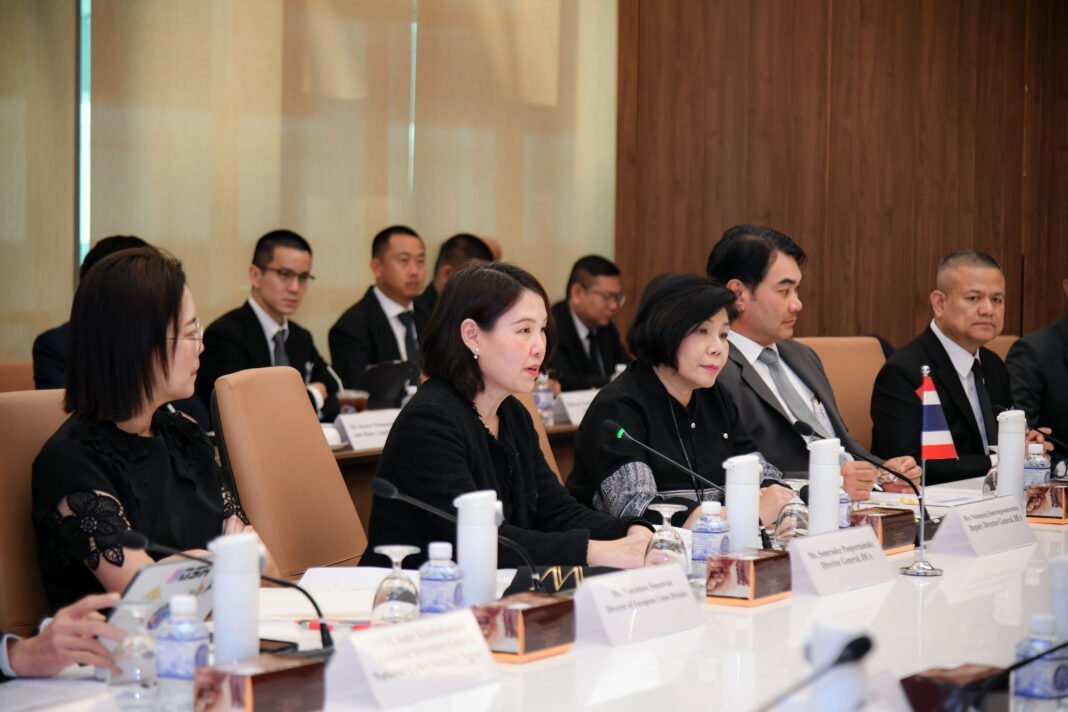
Details in a press release show that The meeting between Prime Minister Shri Narendra Modi and President Kassym-Jomart Tokayev on September 13, 2026, during the 18th BRICS Summit in New Delhi, reflects a sustained effort to deepen bilateral ties. The stated purpose—reviewing cooperation across a broad spectrum of sectors— underscores India’s evolving approach to regional partnerships within the BRICS framework. This engagement, as the Ministry noted, is rooted in “ancient civilizational linkages” and seeks to advance “peace, stability, development and prosperity in the region.”

Background
Prior statements by the Ministry indicate a pattern of bilateral engagement with key partners during BRICS summits. In March, the ministry announced a meeting with the President of the Republic of the Philippines, and in September, a meeting with the President of South Africa. Furthermore, a meeting with the Chairperson of the African Union and the President of the Republic of Burundi occurred on the same day. These meetings, typically held on the sidelines of the BRICS summit, serve as a platform for maintaining and expanding diplomatic relationships. The Ministry’s consistent use of the phrase “on the sidelines of the BRICS Summit” suggests a deliberate strategy of maximizing diplomatic opportunities within the existing forum. The press release does not address the specific composition of the BRICS summit itself.
Analysis
The stated intention to review cooperation across several sectors – political, trade, defence and security, connectivity, energy, critical minerals, emerging technologies, creative economy, and people-to-people ties – reveals a prioritization of strategic interests. The inclusion of “critical minerals” is particularly noteworthy, aligning with India’s increasing focus on securing access to these resources. The reaffirmation of a “strategic partnership” implies a commitment to deepening collaboration beyond traditional diplomatic channels. The reference to “peace, stability, development and prosperity in the region” suggests an alignment with broader geopolitical objectives, particularly within the South Asian context. The statement does not address the potential influence of the BRICS grouping itself on India’s foreign policy.
Implications
The meeting’s outcome could signal a commitment to increased investment in energy projects with Kazakhstan, given the stated interest. Should the leaders’ discussions yield tangible agreements on defence and security cooperation, it would strengthen India’s security posture in Central Asia. The emphasis on “connectivity”—likely encompassing infrastructure projects—could bolster India’s role in regional trade routes. The inclusion of “critical minerals” has significant implications for India’s supply chain diversification efforts. The meeting’s impact on the broader BRICS grouping remains uncertain, particularly as the alliance grapples with geopolitical tensions.
Outlook
If the leaders’ commitment to strengthening the strategic partnership is fully implemented, it could result in increased trade volumes between the two countries. Should the discussions on energy cooperation prove fruitful, it could enhance India’s access to Caspian energy resources. The statement does not address the potential for further collaboration on emerging technologies, though this remains a key area of interest for both nations. The emphasis on “people-to-people ties” suggests an ongoing focus on cultural exchange and educational programs.
Sources & Further Reading
- Official press release
- Foreign ministry source
- Prime Minister meets with the President of the Republic of the Philippines on the sidelines of the BRICS Summit in New Delhi (13 Septemb)
- Prime Minister meets with the President of South Africa on the sidelines of the BRICS Summit in New Delhi (13 Septemb)
- Prime Minister meets the Chairperson of the African Union and President of Republic of Burundi on the sidelines of the BRICS Summit in New Delhi (13 Septemb)