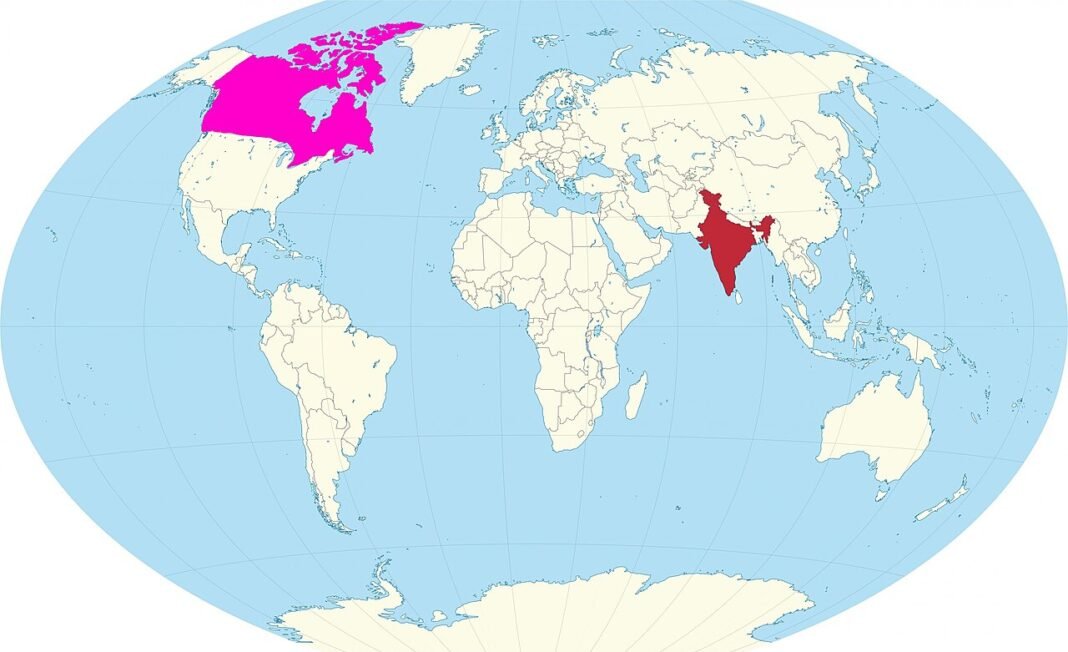
The official readout frames the trip as The inaugural India–Canada Migration and Mobility Dialogue concluded in New Delhi on 26 October, 2026, following a meeting co-chaired by Ms. Sripriya Ranganathan, Secretary (CPV & OIA), Ministry of External Affairs, and Mr. Ted Gallivan, Deputy Minister, Immigration, Refugees and Citizenship Canada (IRCC). This event, outlined in a Ministry of External Affairs press release, represents the formal establishment of a mechanism for addressing evolving bilateral relations. The statement does not address the underlying rationale for initiating this dialogue at this juncture.

Background
The India–Canada Migration and Mobility Dialogue is structured to be held annually. The dialogue is supported by a Joint Working Group on Migration and Mobility. Prior to this meeting, discussions had reportedly occurred between officials regarding potential frameworks for skilled worker mobility, though the specifics of these conversations are not detailed in the statement. The agreement to hold the next meeting in Canada, on mutually convenient dates, indicates a commitment to sustained engagement. The statement does not mention any previous formal agreements pertaining to migration between the two nations.
Analysis
The signing of the Terms of Reference highlights a shared perception of opportunity between the two countries. The statement emphasizes a “natural complementarity” between India’s workforce and Canada’s demographic trends, suggesting a mutual recognition of potential benefits. The focus on mobility – students, skilled workers, professionals, and business visitors – indicates a prioritization of economic engagement. Discussions centered on migration management suggest an acknowledgement of shared challenges related to border control and international workforce regulations. The agreement to hold the next meeting in Canada is a procedural step, but it underscores the intention to continue the dialogue. The statement does not address the potential for conflict arising from differing regulatory approaches to immigration.
Implications
The establishment of this dialogue carries implications for both India and Canada. For India, it represents an opportunity to secure access to a skilled workforce, a key driver of economic growth. Should the dialogue yield successful outcomes regarding skilled worker mobility, it could alleviate labor shortages in specific sectors. For Canada, the dialogue offers access to a burgeoning talent pool and a means of addressing demographic challenges. The agreement to hold the next meeting in Canada signals a continued interest in strengthening bilateral ties. The statement does not address the potential impact on Canada’s immigration policies or the regulatory frameworks governing skilled worker visas.
Outlook
If the Joint Working Group on Migration and Mobility proves effective, it could lead to a more formalized process for recognizing Indian qualifications and skills in Canada. Should the dialogue continue to prioritize student mobility, it could further increase the number of Indian students studying in Canadian institutions. The statement does not address the potential for disagreements regarding visa processing times or the criteria for assessing foreign qualifications. The annual meetings represent a continuous, if somewhat tentative, step towards managing a potentially complex dynamic.