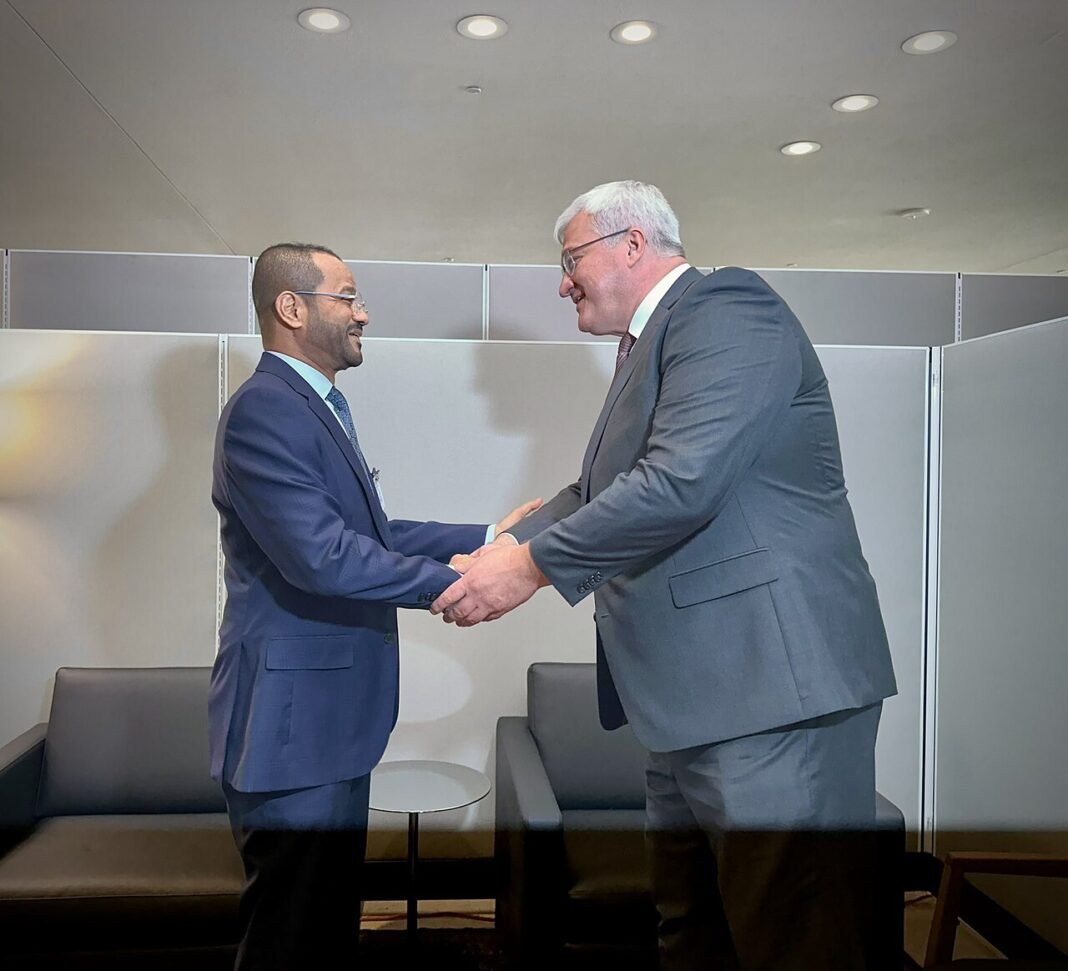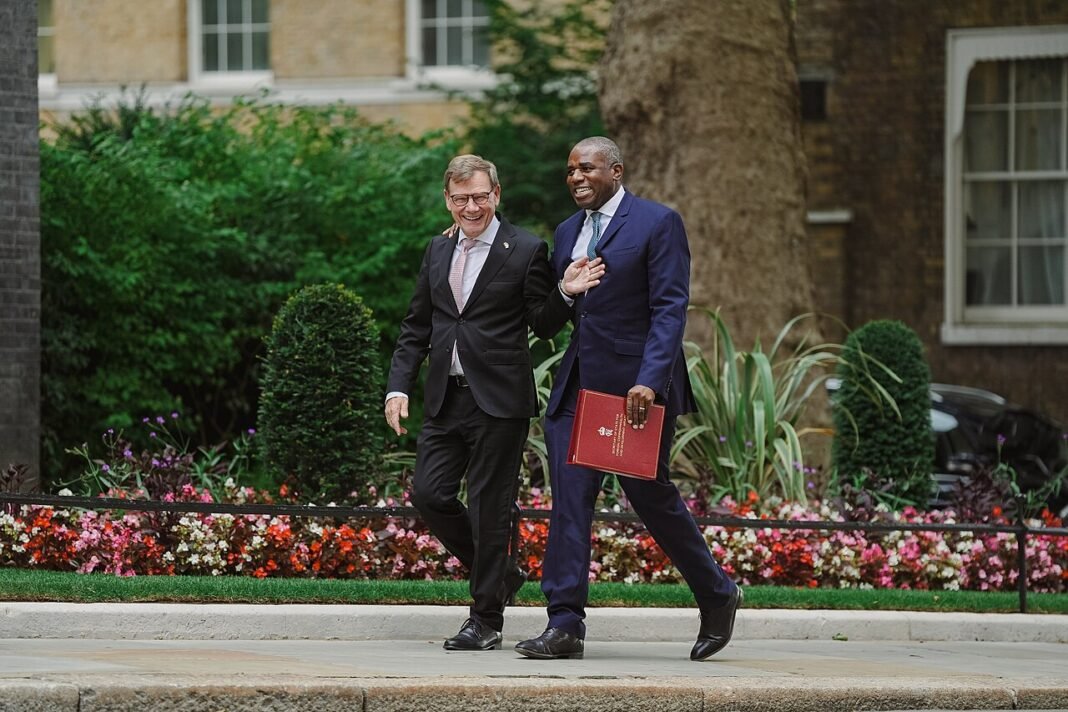
Reporting in a government statement, The Foreign Minister, Johann Wadephul, issued a statement today (23 October 2026) announcing a meeting in Istanbul focused on a range of international conflicts. The core concern, highlighted by the statement, is the impact of escalating instability – specifically concerning the Strait of Hormuz, Houthi attacks in Yemen, and Russian actions in the Black Sea – on global trade and food supplies. This situation matters because the statement explicitly links these conflicts to economic disruption and potential humanitarian consequences, framing them as challenges demanding a unified response beyond conventional diplomatic approaches.

Background
The statement outlines a meeting involving Germany, France, the United Kingdom, and Italy (the E4), alongside Egypt, Pakistan, Saudi Arabia, and Turkey (the R4). This configuration represents a deliberate expansion of the traditional European diplomatic engagement, incorporating countries with significant regional interests – particularly those bordering the areas of conflict. The initiative, driven by Germany and Turkey, suggests a recognition that existing formats are insufficient to address these complex issues. The statement references previous, established diplomatic channels, but underscores the need for a new approach, indicating a desire to move beyond traditional alliances and protocols. The press release does not provide details of prior meetings or agreements that led to this event.
Analysis
The stated motivations behind this gathering reveal a strategic calculation. The conflicts – the situation in the Strait of Hormuz, the ongoing conflict in Yemen, and Russia’s actions targeting grain shipments – represent significant disruptions to global trade routes and, critically, threaten food security, particularly in the Global South. The inclusion of countries like Egypt, Pakistan, and Saudi Arabia indicates a recognition of the broader geopolitical implications, recognizing that these conflicts are not solely regional but have global ramifications. The acknowledgement of Iran and the Houthi militia as engaging in “blackmail” suggests a firm stance against what Germany views as attempts to disrupt established trade patterns. The statement’s emphasis on the impact on the “people in the region” and the risk of “famine” highlights the humanitarian dimension of the crisis, framing the issue as a matter of immediate concern. If implemented as described, this meeting signals a willingness to challenge the status quo and potentially strain relations with countries perceived as contributing to the destabilizing forces.
Implications
The meeting’s implications extend beyond immediate diplomatic maneuvering. For Germany, it represents a proactive effort to shape the international response to a rapidly deteriorating security landscape. The broadened coalition suggests a desire to influence the narrative surrounding the conflicts and build support for a more assertive approach. Regionally, the gathering could exert pressure on Iran and the Houthi militia to reconsider their actions, although the statement does not explicitly state this is the goal. The involvement of Turkey, a key regional player with significant economic and security interests, adds another layer of complexity. The event has potential implications for trade security, particularly concerning energy and fertilizer supplies, with the statement pointing to disruptions felt at the “petrol pump or in the supermarket.”
Outlook
Should the visit yield a concrete agreement on a coordinated approach, the scenario would represent a significant, if conditional, step. If the meeting successfully establishes a framework for joint efforts to resolve the conflicts in the Strait of Hormuz, at Bab al-Mandab and in the Black Sea, it would signify a shift in the international diplomatic landscape. However, should the visit fail to produce a tangible outcome, it risks further highlighting the lack of progress in resolving these pressing issues, potentially exacerbating tensions and reinforcing the existing deadlock. The statement does not address whether any specific measures, such as sanctions or diplomatic initiatives, will be pursued as a result of the meeting.