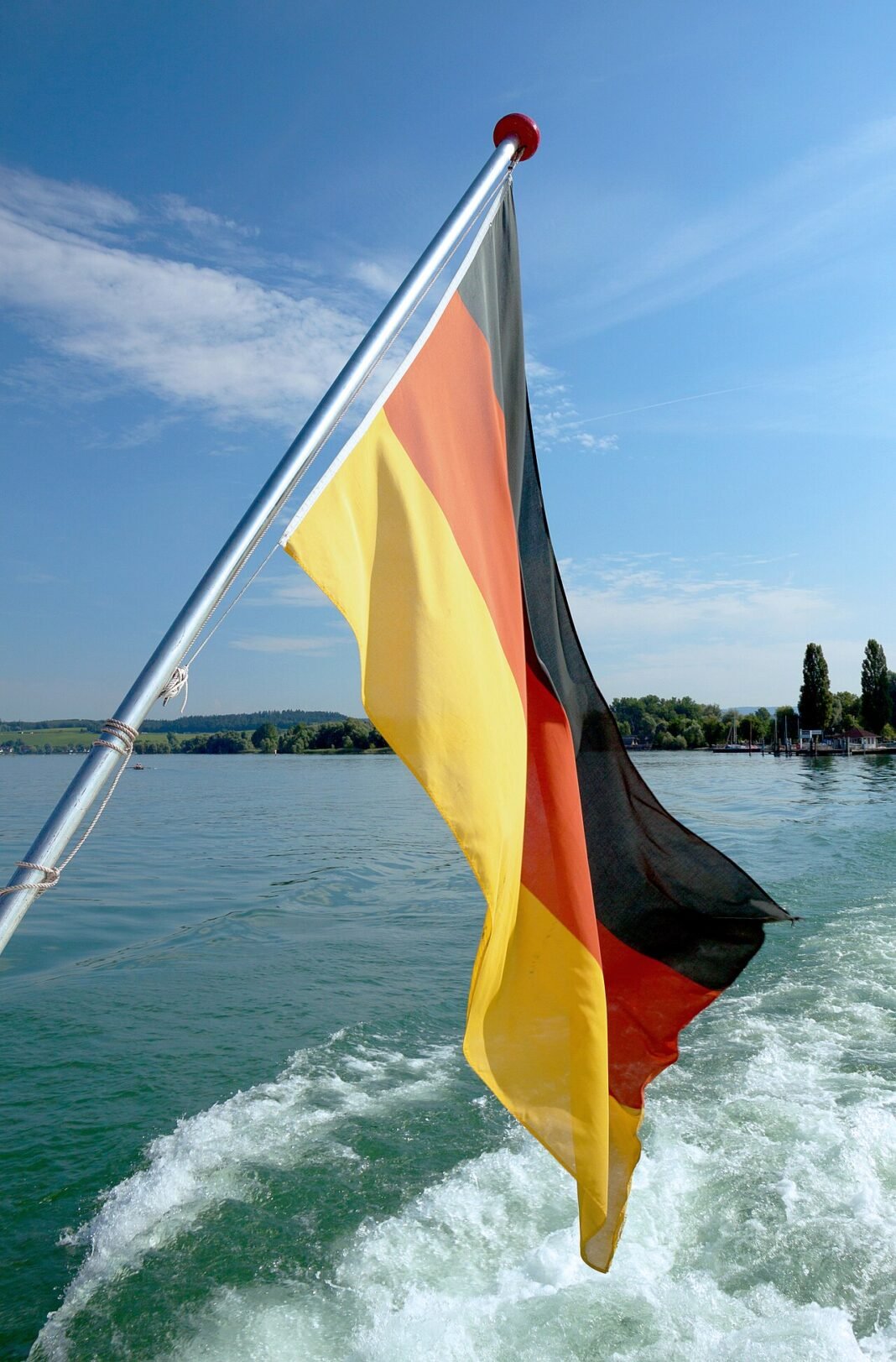
Germany has joined a broad international coalition in condemning the ongoing executions of protesters and the use of capital punishment by the Islamic Republic of Iran. This condemnation, outlined in a press release published today, highlights the continued application of the death penalty as a tool to suppress dissent within Iran. The statement does not address the specific number of individuals executed or the nature of the charges against them. (Read the full statement.)

Background
The statement follows previous diplomatic engagements between Germany and Iranian officials regarding human rights concerns. The press release references the High Representative of the European Union, indicating continued dialogue within established EU frameworks for addressing human rights violations. The coalition government’s declaration is framed as a response to ongoing events, specifically the use of the death penalty by the Islamic Republic of Iran in relation to individuals exercising their human rights. The statement does not mention any specific agreements or previous discussions related to this issue.
Analysis
The coalition government’s declaration represents a significant articulation of European sentiment concerning Iran’s human rights record. The condemnation reflects a growing concern within the EU regarding the use of capital punishment as a tool for silencing dissent and intimidating communities. This suggests a desire to exert pressure on the Islamic Republic of Iran, though the statement lacks any specific proposals or mechanisms for achieving this. The call for an immediate end to executions and the release of arbitrarily detained individuals is standard language in such statements, but it does not alter the fundamental power imbalance between the two nations. If implemented as described, this represents a rhetorical escalation rather than a substantial shift in policy.
Implications
The German government’s stance has implications for bilateral relations with Iran and within the broader EU framework. The statement could further isolate the Islamic Republic of Iran diplomatically, potentially complicating future negotiations on issues such as sanctions relief or nuclear agreements – the statement does not address these specific concerns. It also underscores a potential division within the EU regarding the approach to engaging with Iran, particularly given differing views among member states regarding economic interests and security considerations – the statement does not elaborate on this division. The condemnation could impact trade relations, though the precise effect remains uncertain.
Outlook
Should the visit yield no discernible change in Iranian behavior – a conditional scenario – the coalition government’s continued rhetoric is likely. If the EU were to pursue concrete measures beyond condemnation, such as coordinated sanctions or targeted support for civil society organizations within Iran, it would represent a more significant step. The statement does not offer any indication of such action.