
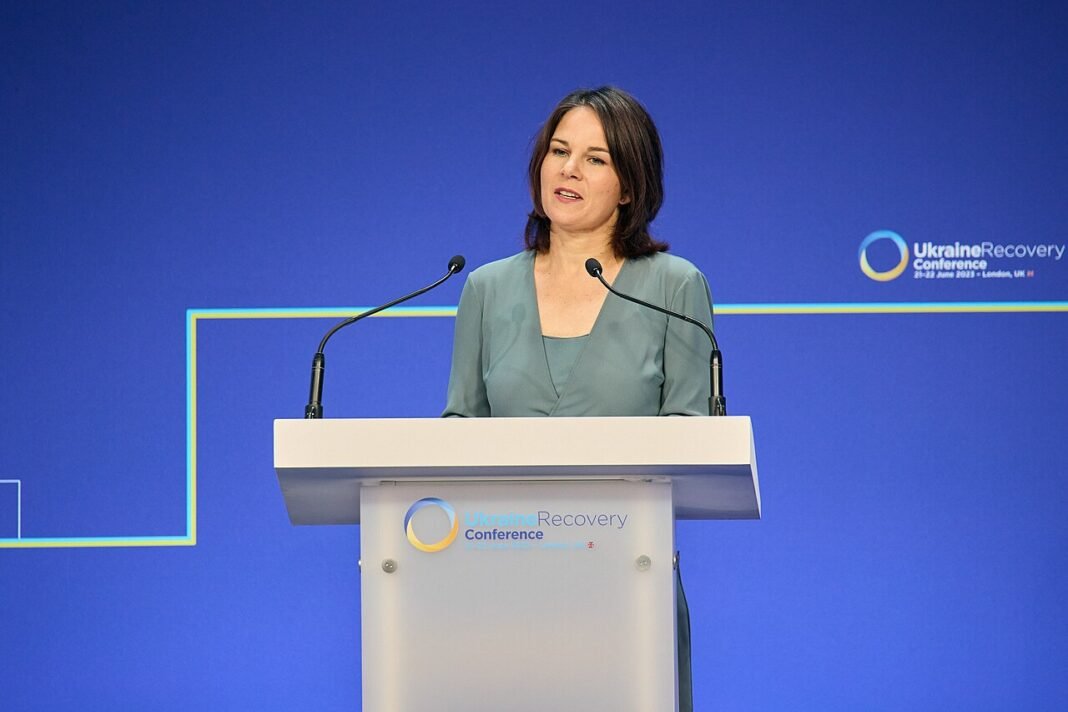
The statement issued by Foreign Minister Johann Wadephul on 13 October 2026, prior to his departure for Warsaw, highlights a critical juncture in the ongoing conflict in Ukraine. The most immediate consequence of the Russian regime’s actions – the reported deaths of over 150 civilians and numerous injuries sustained in missile attacks over the past week – underscores the urgency of continued international support for Kyiv. This event, as stated, directly impacts the fundamental premise of European security, confirming the vulnerability of nations striving for peace and freedom within the continent. The statement does not address the specific details of the attacks or the immediate humanitarian response.; see the full statement.

Background
The Warsaw Security Forum provides a platform for discussions concerning European security and defence. The forum, according to the statement, is intended to facilitate collaboration between nations committed to bolstering collective security. The event’s focus is on strengthening NATO’s defensive capabilities, a key element in the broader strategy to support Ukraine. The statement does not mention specific prior meetings or agreements leading up to this visit. The event brings together Poland, Norway, and the United Kingdom, reflecting a coordinated approach to addressing the evolving security landscape. The statement does not address the historical context of the Warsaw Security Forum.
Analysis
The German government’s actions reflect a shift in emphasis towards a more proactive role in supporting Ukraine. The launch of the “most extensive sanctions to date in the history of the EU,” as described in the statement, signals a determination to increase pressure on Russia. This coordinated effort – involving the EU and the UK – aims to disrupt Russia’s war effort by targeting drone manufacturers and ballistic missile producers. The statement does not address the potential impact of these sanctions on the Russian economy or the effectiveness of the measures. The involvement of Poland and Norway highlights a broader coalition of European nations united in their support for Ukraine. The statement does not explain the rationale for selecting these specific countries as partners.
Implications
The visit to Warsaw and the intensified security commitments have significant implications for regional stability. The increased support for Ukraine reinforces NATO’s eastern flank and strengthens the alliance’s deterrent posture against Russian aggression. The implementation of the expanded sanctions, as outlined, represents a direct challenge to the Russian economy. Should the visit yield a strengthened NATO commitment, it could further escalate tensions with Moscow. The statement does not address the potential for a wider conflict or the impact on international trade.
Outlook
If the visit to Warsaw yields a reinforced commitment from NATO, it could signal a sustained increase in military and financial assistance to Ukraine. Should the EU sanctions remain in place and prove effective in disrupting Russia’s war effort, it would represent a significant strategic victory. The statement does not address potential future escalation scenarios or the possibility of a negotiated settlement. The focus remains on maintaining pressure on Russia, a strategy predicated on the continued willingness of European nations to shoulder the burden of supporting Ukraine.



.jpg)