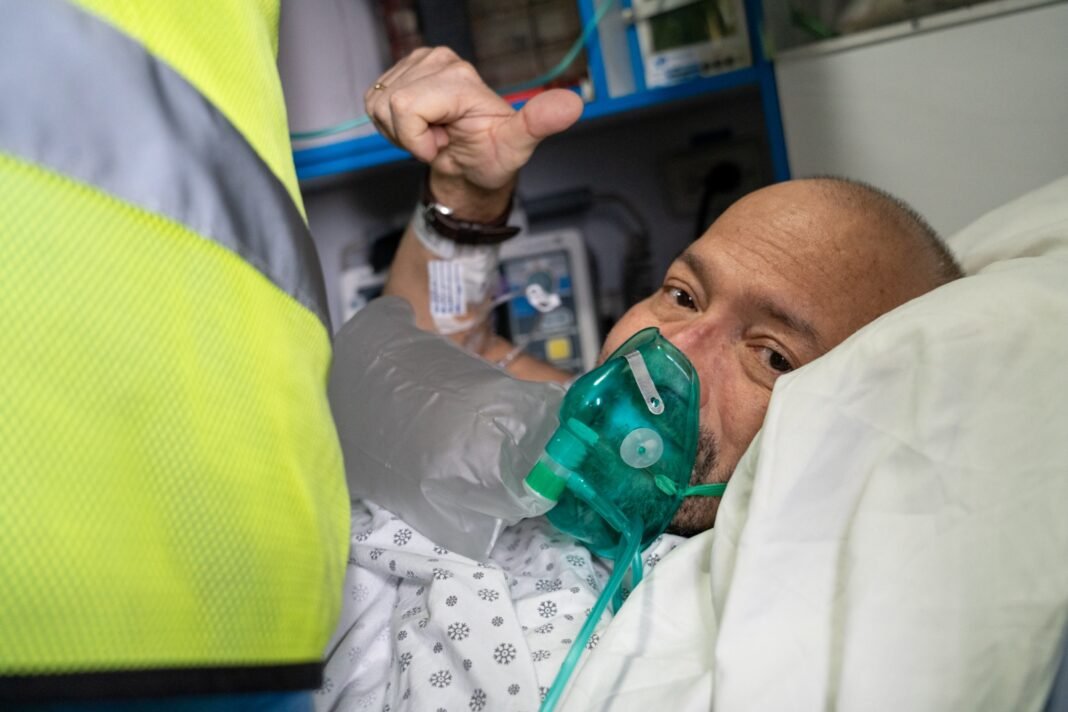
Bogotá, 12 de octubre de 2026. The Ministry of Foreign Relations announced this Monday the return to Colombia of Colombian citizen Henry Camargo, a former member of the Armed Forces, via a medicalized flight from New York, United States, following instructions from President Abelardo De La Espriella. The operation, coordinated by the Ministry and the Colombian Consulate in that city, facilitated the continuity of his specialized medical care in Colombia. This return, made possible through an exceptional allocation of resources from the Special Migration Fund (FEME), represents a critical intervention by the government to address a citizen in a particularly vulnerable state. ; see the full statement.

Background
The return of Henry Camargo follows a period of sustained medical care in New York, managed through the consular office and the Colombian Consulate. The statement does not mention the specific circumstances of Camargo’s medical needs or the nature of his military service. The FEM, established as a subsidiary and last resort humanitarian support mechanism, was activated following a review of Camargo’s unique situation and available alternatives. This mechanism is typically deployed for Colombians facing dire circumstances abroad, signifying a recognized need for governmental intervention. The prior meetings and agreements surrounding this case are not detailed in the press release, focusing solely on the logistical execution of the return.
Analysis
The government’s involvement in this case underscores the inherent challenges of providing consular support to citizens abroad, particularly those requiring specialized medical care. The authorization of FEM resources demonstrates a recognition of Camargo’s vulnerability, a circumstance likely identified through the ongoing work of the Consulate in New York. This intervention, coordinated through the Hospital Elmhurst and the Colombian Ministry of Defence, reveals a complex network of institutional responsibility. The gratitude expressed by Karen Camargo, and the President’s direct involvement, suggests a prioritization of familial welfare within the context of national security and diplomatic obligations. The statement does not address the potential political implications of this case, nor does it provide insight into the broader scope of the Colombian military’s presence and care of veterans abroad. The reliance on a “subsidiary and last resort” fund indicates a systemic recognition of the limitations of standard consular services.
Implications
The return of Henry Camargo has immediate implications for the Colombian Consulate in New York, signaling the end of their direct operational involvement in this specific case. More broadly, this event highlights the government’s commitment to safeguarding Colombian citizens globally, especially those in vulnerable situations. The government’s willingness to utilize the FEM, despite its intended purpose, suggests a willingness to exert influence and responsibility beyond traditional diplomatic channels. The operation also underscores the logistical complexities involved in coordinating international medical transfers, particularly for individuals with specialized needs. Should the visit yield a successful reintegration into the national healthcare system, it would represent a significant achievement for the Ministry of Foreign Relations.
Outlook
If the continued medical care at the Hospital Militar Central proves successful, and if Camargo’s health stabilizes, the government’s intervention will have achieved its immediate objective. Should the hospital’s capacity to provide ongoing care prove insufficient, the government would likely be compelled to explore alternative solutions, potentially involving further FEM allocation or engagement with international medical organizations. The statement does not address the possibility of a prolonged period of care abroad, nor does it outline a long-term strategy for supporting veterans receiving specialized medical treatment overseas. The success of this operation hinges on the availability of resources and the ability to secure appropriate medical care for Camargo.
Conclusion
The return of Henry Camargo, facilitated by the Ministry of Foreign Relations, presents a moment of resolution, yet leaves open the critical question of sustainable support for Colombians requiring specialized medical care while abroad. The government’s response, while demonstrating commitment, reveals the inherent limitations of consular services and the ongoing need to refine mechanisms for safeguarding its citizens’ wellbeing in a complex global landscape.