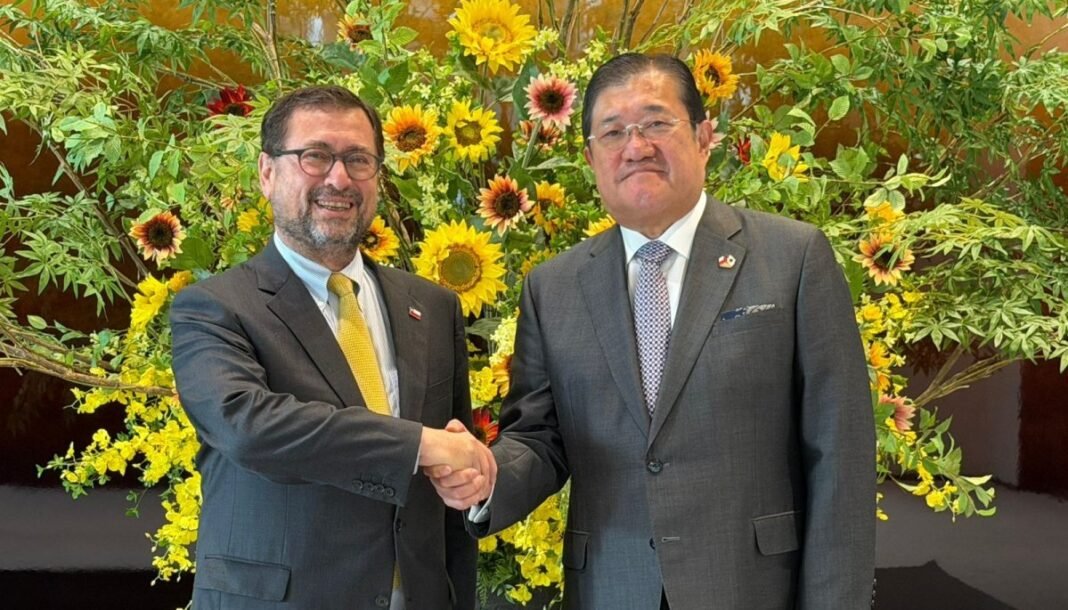
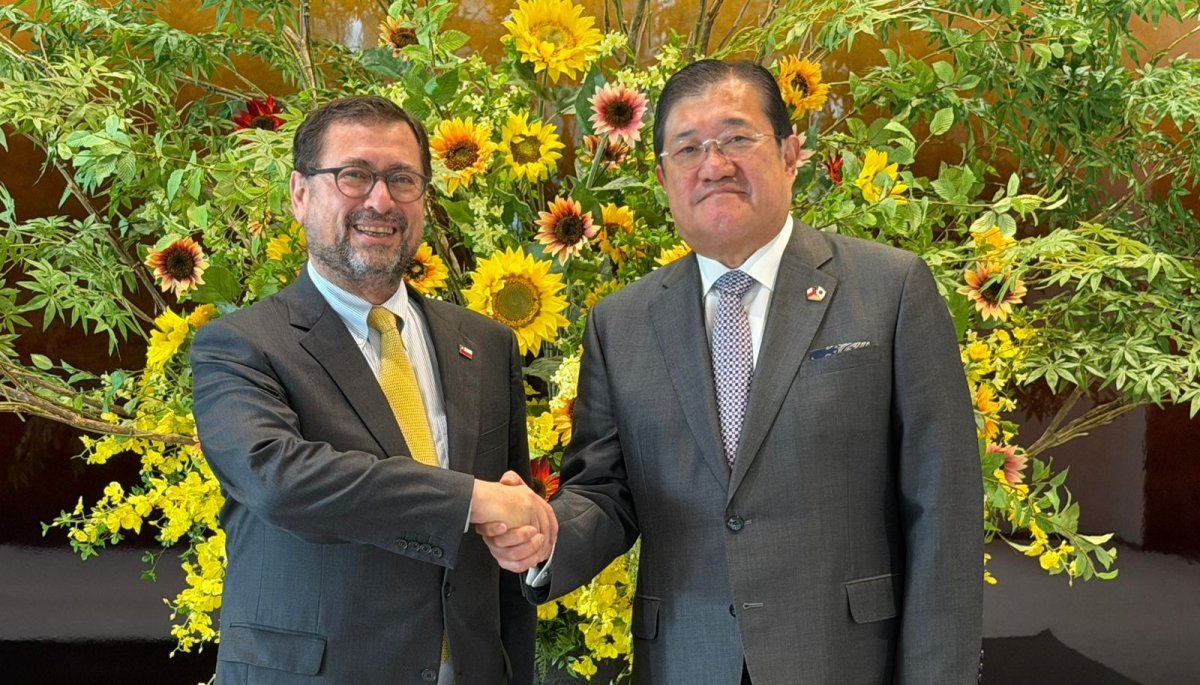
Details in a press release show that The Chilean Minister of Foreign Affairs, Francisco Pérez Mackenna, convened this Thursday high-level meetings with major Japanese companies possessing interests in Chile and urged them to increase investment within the country, highlighting the stability and favorable environment for the arrival of foreign capital. This event matters because it represents a deliberate effort by the Chilean government to actively court substantial foreign investment, particularly from Japan, at a time when the nation seeks to bolster its economy.
Background
The meetings involved Tatsuo Yasunaga, President of the Board of Directors of Mitsui; Masuni Kakinoki, President of the Board of Directors of Marubeni; Koichiro Yazaki, Executive Director of Sumitomo’s Mineral Resources Group; and Katsushiko Kawazoe, Associate Executive Director of NTT. The Ministry of Foreign Relatios (MINREL) confirmed these engagements in a press release dated August 28, 2026. These meetings align with previous initiatives to attract foreign direct investment, particularly following the 2019 social unrest and subsequent economic challenges.
Analysis
The central incentive for the Japanese companies is articulated through several key policy levers. The Ministry of Foreign Affairs emphasized the “Reconstruction Law,” which reduces taxes on businesses and provides stability for long-term large investments, streamlining project permitting processes. This suggests a targeted effort to address investor concerns regarding bureaucratic hurdles and regulatory uncertainty. Simultaneously, Pérez Mackenna positioned Chile as a secure investment platform and an economic strategic ally of Japan in the transition towards renewable energy and in strengthening global supply chains. The statement does not address the specific sectors of interest for Japanese investors—mineral resources or renewables—beyond stating their relevance.
Japan is currently the largest Asian investor in Chile, representing a significant existing relationship. This reinforces the strategic importance of this engagement and highlights an acknowledged “significant space” for increased Japanese investment as stated by Pérez Mackenna. The involvement of companies like Mitsui, Marubeni, Sumitomo, and NTT indicates a focus on sectors critical to Chile’s economic diversification goals. If implemented as described, the Law could significantly alter the landscape of foreign investment in Chile.
Implications
The visit’s implications extend beyond immediate bilateral relations. The increased Japanese interest signals a potential shift in Chile’s trade and economic partnerships, particularly given Japan’s strategic priorities regarding energy transition and supply chain resilience. This could bolster Chilean exports of critical minerals—a sector already heavily influenced by Japanese demand—and potentially accelerate investment in renewable energy projects. However, the statement does not address the specific mineral resources involved or the potential impact on Chile’s existing mining agreements.
Furthermore, this effort to attract foreign capital is intertwined with ongoing debates within Chile concerning resource extraction and environmental sustainability. The government’s emphasis on investment stability implicitly downplays concerns regarding responsible sourcing and environmental safeguards—a point not addressed by the Ministry’s communication. The heightened engagement carries implications for regional stability, particularly given Japan’s growing influence in Latin America.
Outlook
Should the visit yield positive investment commitments, Chile would be poised to benefit from a significant influx of capital and technology. However, if Japanese companies maintain their existing engagement without substantial new investments, it could indicate a continued lack of confidence in Chile’s economic outlook or political stability – factors not explicitly mentioned in the statement. The success hinges on the government’s ability to effectively translate this diplomatic outreach into tangible investment deals.
Conclusion
The Ministry’s efforts represent a strategic attempt to secure foreign capital, but leave open key questions regarding Chile’s broader economic strategy and its commitment to sustainable development. The focus remains on attracting investment without directly addressing the underlying vulnerabilities of the Chilean economy.