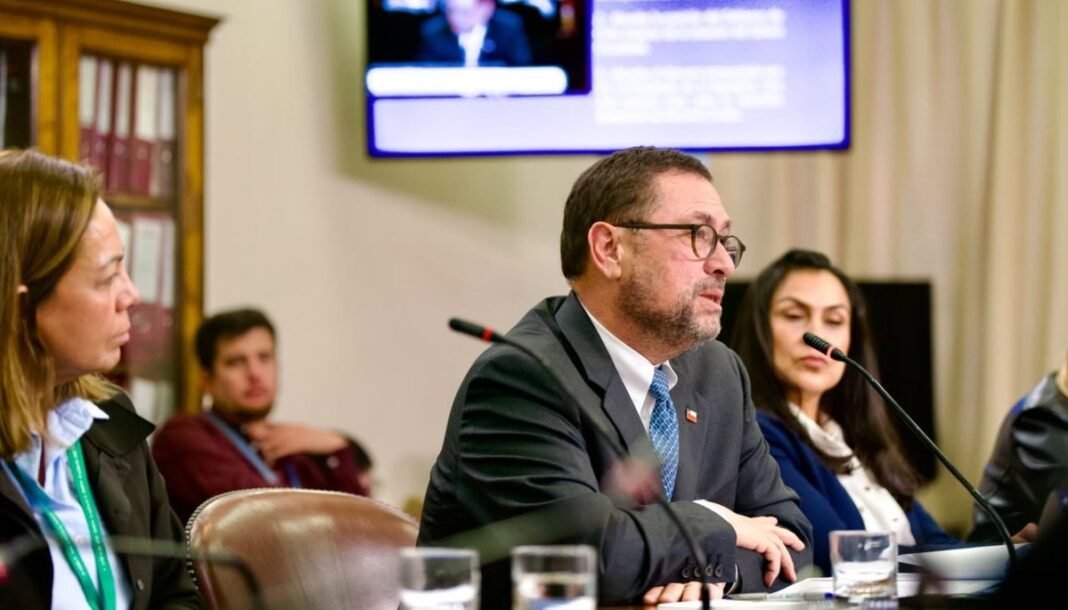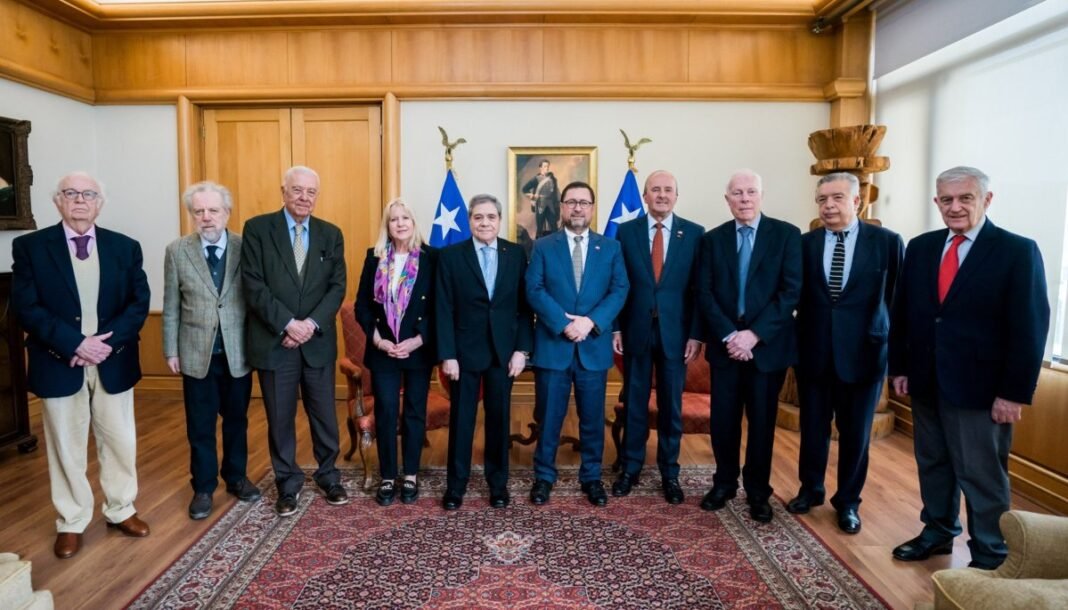
A ministry communiqué confirms that The Chilean Minister of Foreign Affairs, Francisco Pérez Mackenna, met on Friday, October 9, 2026, with members of the RREE (Regional Energy and Environment) Commission of the Instituto Libertad. The meeting included the presence of ambassadors Sergio Romero, Adolfo Carafi and Jorge Canelas. Karin Ebensperger, Manfred Wilhelmy, Hernán Salinas, Joaquín Fermandois and Pablo Balmaceda also participated. The statement does not mention the specific purpose of the meeting beyond “the main topics of the foreign policy agenda.” This suggests a strategic prioritization of engagement with key scientific infrastructure projects, particularly in a context of broader geopolitical considerations.
Background
The meeting occurred within a framework of ongoing diplomatic activity within Chile. The statement does not provide details regarding previous discussions or agreements related to the Instituto Libertad or the Giant Magellan Telescope Observatory (GMTO). The involvement of ambassadors Romero, Carafi and Canelas indicates a level of established diplomatic engagement. The participation of the RREE Commission suggests a link between foreign policy objectives and regional development initiatives, specifically related to energy and environmental resources. The inclusion of figures like Ebensperger and Wilhelmy, known proponents of the GMTO, highlights the prioritization of this particular project. The reference to the “Section Nacional de la Convención para la Conservación de los Recursos Vivos Marinos Antárticos en Valparaíso” indicates that the meeting occurred within a broader context of Chile’s Antarctic policy and marine resource management.
Analysis
The meeting’s focus on “the main topics of the foreign policy agenda” points to a deliberate effort to calibrate Chile’s external relations with strategic partners. The inclusion of the GMTO suggests a desire to leverage Chile’s position as a host nation for significant scientific investments. This action aligns with Chile’s broader policy of promoting itself as a hub for international scientific collaboration. The involvement of the RREE Commission signals an interest in aligning foreign policy with regional development goals, particularly concerning energy and environmental resources within the Southern Cone. The presence of ambassadors Romero, Carafi and Canelas indicates a prioritization of bilateral relationships with key partners. The statement does not address the potential motivations of the Instituto Libertad in seeking the Minister’s attention. If implemented as described, this meeting represents a calculated effort to maintain and strengthen Chile’s influence within a region facing shifting geopolitical dynamics.
Implications
The meeting carries implications for regional stability, particularly regarding Chile’s relationship with neighboring countries. Increased collaboration on projects like the GMTO could foster greater cooperation and reduce potential sources of friction. The focus on regional energy and environmental issues suggests a potential role for Chile in mediating disputes or promoting sustainable development initiatives. The meeting’s timing, coinciding with ongoing discussions between Bolivia and Chile, highlights the importance of maintaining open channels of communication. The statement does not address the potential impact of this engagement on trade or security relations with other countries in the region. Should the visit yield further opportunities for collaboration, it would strengthen Chile’s position as a key regional actor.
Outlook
If the meeting yields further discussions regarding the GMTO’s operational requirements and funding, it could lead to increased investment in Chilean infrastructure. Should the Ministry continue to prioritize engagement with the RREE Commission, it could result in the development of new regional energy and environmental initiatives. The statement does not address the potential for Chile to play a more active role in Antarctic governance or marine resource management. The continued dialogue between Chile and its neighbors remains crucial for maintaining stability and fostering cooperation, assuming no significant changes in regional geopolitical dynamics.