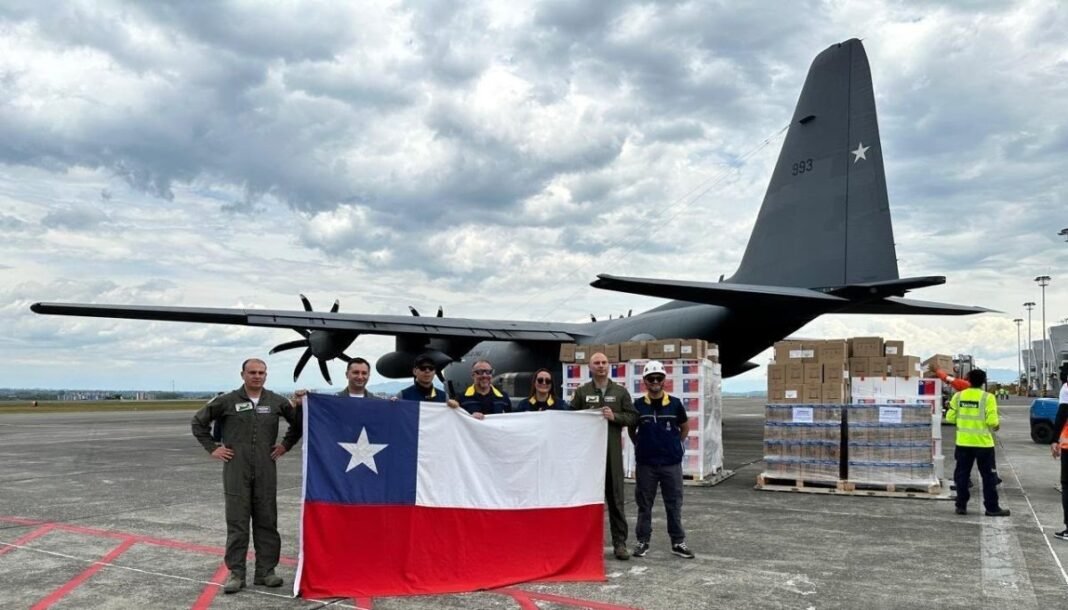
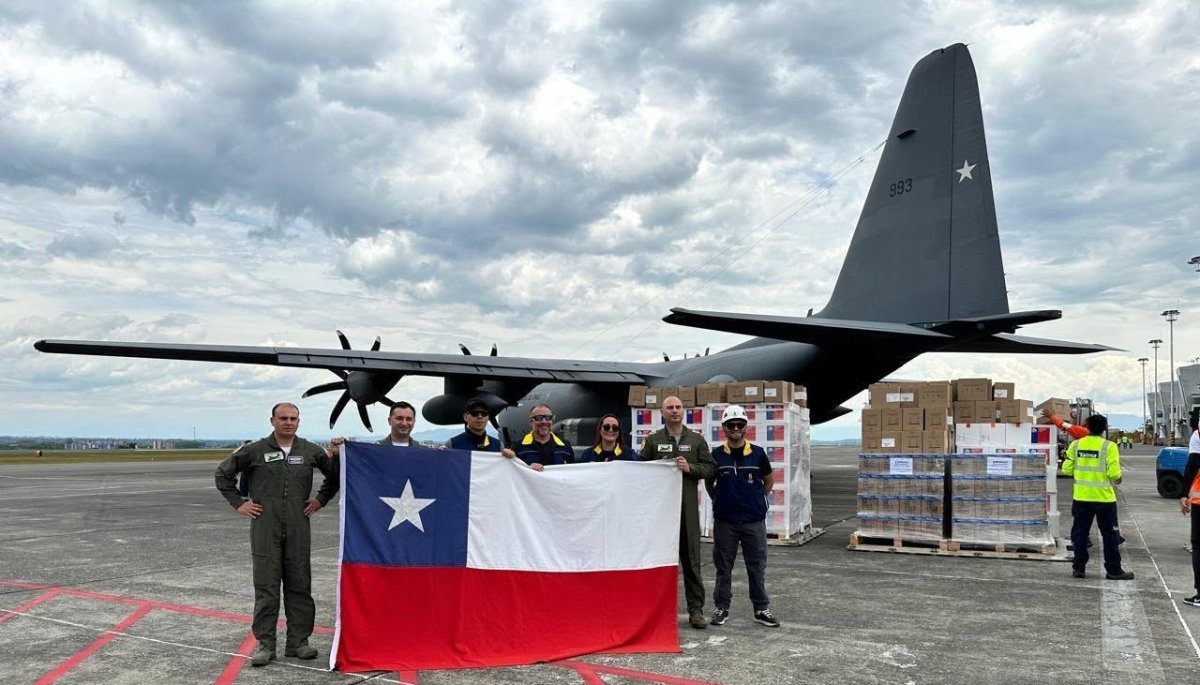
The foreign ministry readout describes A Chilean aircraft carrying approximately twenty metric tons of aid landed Saturday in Pereira, Colombia, following last week’s devastating earthquake. This marks the first tangible response from Chile to a neighboring nation grappling with catastrophic damage, as stated by Foreign Minister Francisco Pérez Mackenna. The delivery includes food packages, hygiene kits for children and adults, and household cleaning supplies. The statement does not address the scale of devastation in Colombia or the specific needs identified by Colombian authorities.
Background
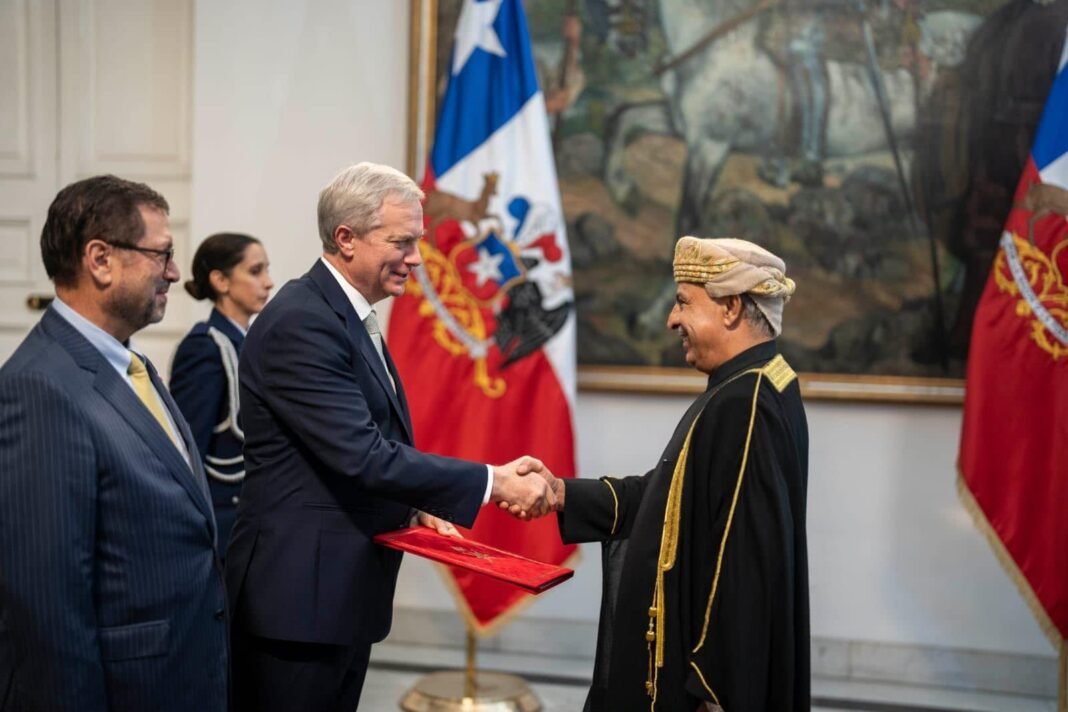
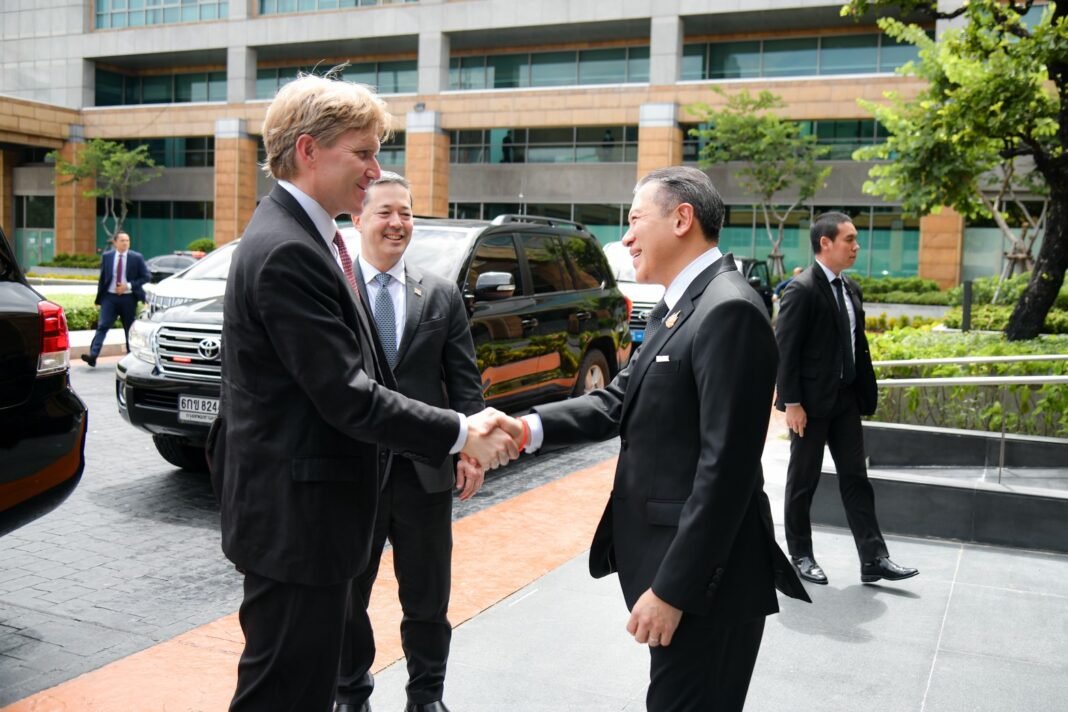
The dispatch follows a series of diplomatic engagements undertaken this week by Chilean officials, including meetings with representatives from Japan and the Philippines, as detailed in related releases. These efforts are framed as part of Chile’s ongoing commitment to regional partnerships, according to the Ministry of Foreign Relations. The coordinated response involves the Ministries of Foreign Affairs, Interior, and Defense National, alongside the Chilean Air Force and Senapred (Chilean Navy Command), signaling a prioritization of immediate disaster relief.
Analysis
The timing of this aid delivery is intrinsically linked to Chile’s own recent experience with seismic activity. The government’s declaration, “La ayuda a Colombia ha llegado,” explicitly frames the action as support for a “pueblo amigo” – a friend nation – reflecting a common narrative in disaster response operations. This suggests an attempt to project stability and solidarity amidst domestic concerns. However, this initiative does not address the broader implications of Chile’s own vulnerability to earthquakes or its role within regional security structures.
The inclusion of a private donation alongside official government contributions indicates a multi-faceted approach to addressing the crisis. The involvement of Senapred highlights the potential for military resources to be deployed in humanitarian assistance, although the statement does not clarify the scope of that support. This suggests a willingness to leverage all available assets to fulfill its obligations as a regional partner.
Implications
The delivery of aid carries significant implications for regional stability. It demonstrates Chile’s commitment to fulfilling its role within the Andean Pact and potentially strengthens diplomatic ties with Colombia, particularly in the aftermath of a major disaster. Should this visit yield positive results regarding mutual support, it could bolster confidence among nations facing similar vulnerabilities. The action does not address how these efforts may impact broader regional security dynamics or influence future cooperation agreements.
Furthermore, the deployment of Chilean military assets raises questions about potential contributions to regional peacekeeping operations or disaster response frameworks. The involvement of private donors underscores the importance of civil society engagement in humanitarian assistance, although the statement does not outline any mechanisms for coordinating private sector support.
Outlook
If the Colombian government accepts and effectively utilizes the delivered aid, it could pave the way for further collaborative efforts. Should the Chilean government secure assurances of continued access to Colombia’s affected areas, and should the assistance prove sufficient to alleviate immediate suffering, then Chile will have demonstrated its commitment to regional solidarity. However, the statement does not address what contingency plans are in place should the aid be insufficient or if logistical challenges impede its distribution.
Conclusion
The dispatch of humanitarian supplies represents a significant act of regional diplomacy, yet it leaves unanswered questions about Chile’s long-term strategy for addressing seismic vulnerability and securing its position within the evolving landscape of Andean security. The willingness to provide immediate assistance sets a precedent that will be closely observed by other nations facing similar challenges.