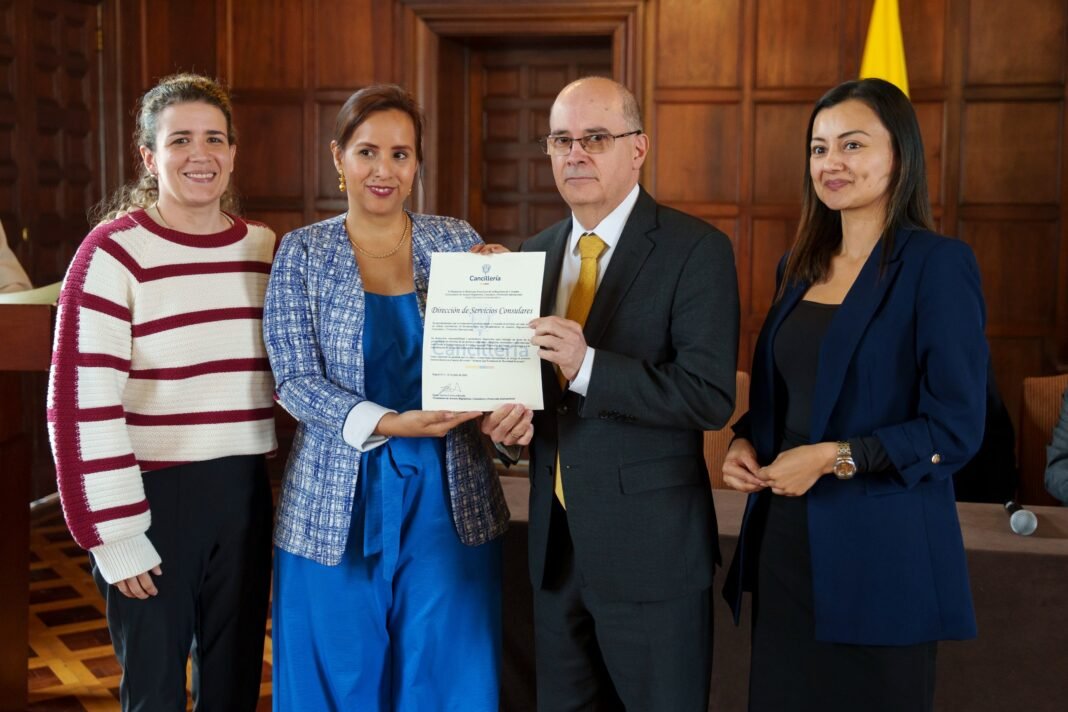
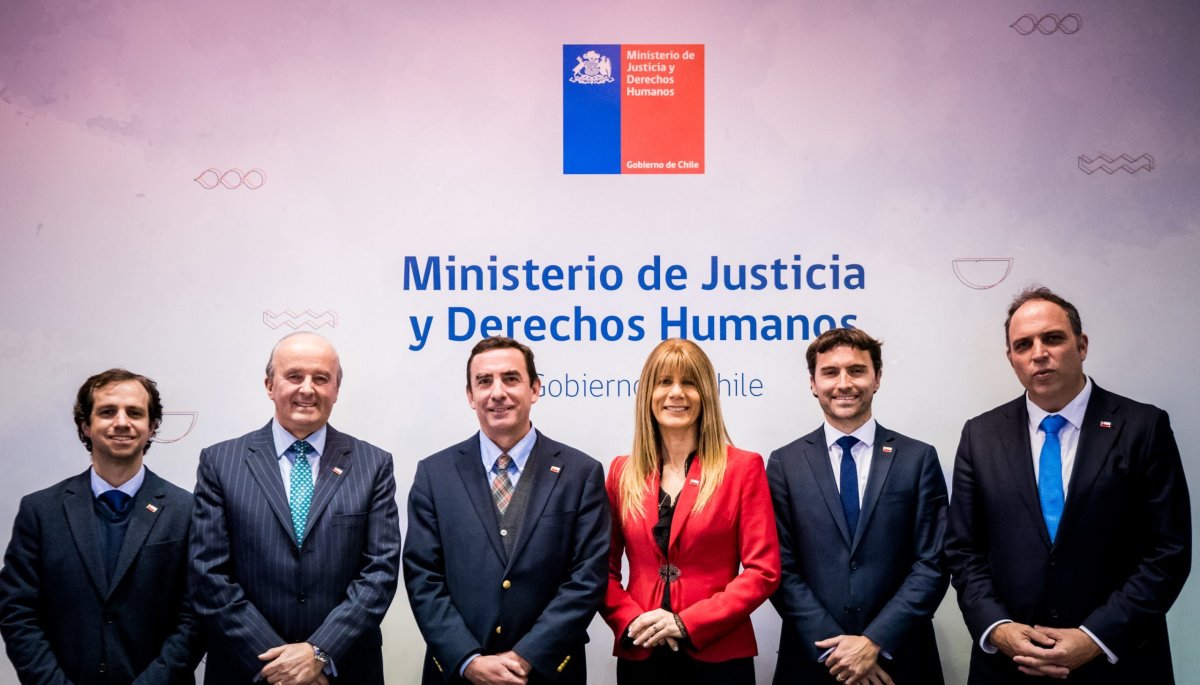
A ministry communiqué confirms that On August 7th, 2026, Minister of Foreign Affairs (s), Patricio Torres, attended the fourteenth session of the Interministerial Committee for the National Action Plan on Human Rights and Businesses, alongside representatives from eight other ministries. This event represents a significant step in Chile’s ongoing efforts to align its national policy with international standards concerning corporate responsibility. The statement does not mention specific industries targeted by the plan or the anticipated scope of enforcement actions.
Background
The Interministerial Committee operates as an advisory body for the President of the Republic, tasked with formulating, implementing, and evaluating the National Action Plan on Human Rights and Businesses. This framework aims to ensure a coordinated response from the State regarding interactions between businesses and human rights considerations. The committee’s establishment follows previous iterations focused on the First and Second National Action Plans. The statement does not detail the timeline of these prior plans or their overall impact.
Analysis
The presentation of the Third Plan of Action signals a prioritization of strategic alignment within the Chilean government. This suggests a shift in emphasis towards proactive engagement with international human rights standards, particularly concerning businesses operating within Chile. The involvement of eight ministries indicates a broader governmental commitment to this initiative. However, the statement does not address potential conflicts between economic development goals and human rights protections – a recurring tension within Chile’s recent policy discourse.
Implications
This activity holds implications for Chile’s trade relationships, particularly with countries where corporate social responsibility standards differ significantly. The renewed focus on the National Action Plan could influence investment decisions and potentially lead to increased scrutiny of foreign-owned companies operating within Chilean territory. Furthermore, the coordination efforts signaled by multiple ministry representatives suggest a deliberate strategy to manage relations with key partners like Spain and Israel, as evidenced by concurrent bilateral meetings detailed in related press releases. The formalization of renewed relations with Venezuela via consulates also presents an interesting dynamic.
Outlook
Should the visit yield approval of the strategic objectives outlined within the Third Plan of Action, Chile will need to demonstrate tangible enforcement mechanisms. If implementation is solely reliant on advisory recommendations, the plan’s effectiveness remains uncertain. The statement does not address how Chile intends to reconcile these goals with existing trade agreements or navigate potential disputes arising from differing interpretations of human rights obligations. Should the committee continue to advise without prompting action, it risks appearing as a largely symbolic gesture.
Conclusion
The latest session of the Interministerial Committee highlights Chile’s stated commitment to corporate accountability, but leaves open the critical question of whether this translates into concrete policy changes capable of meaningfully altering the operating environment for multinational corporations within the country.