
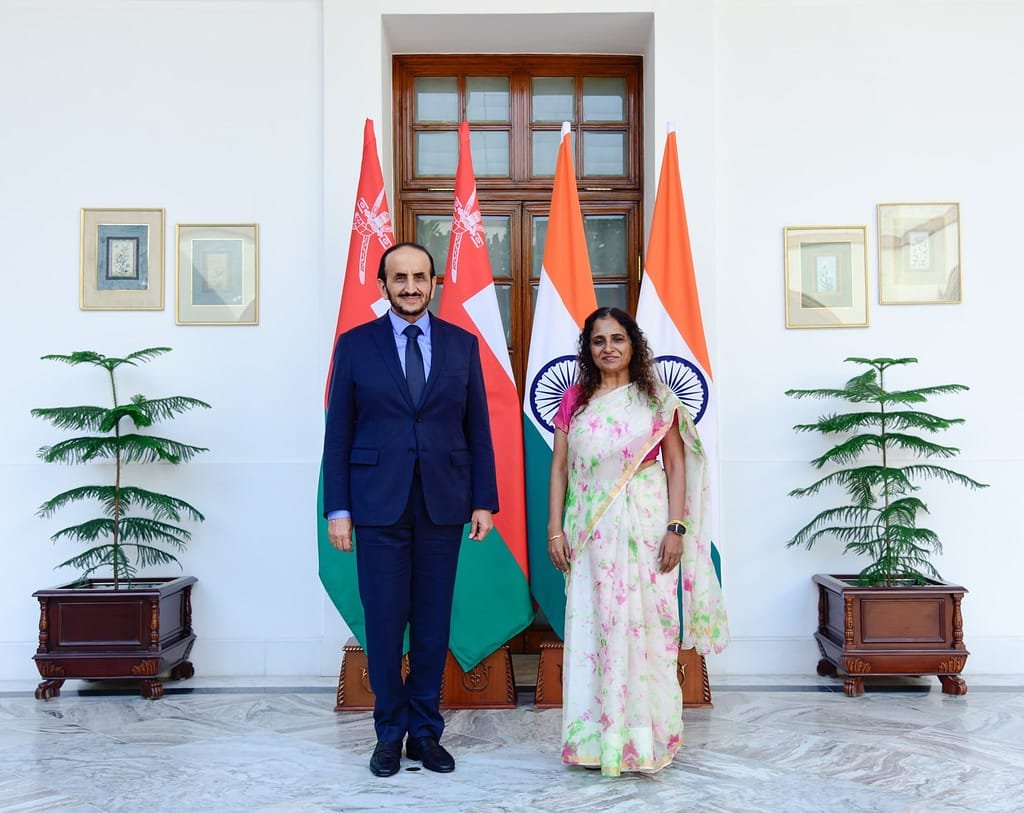

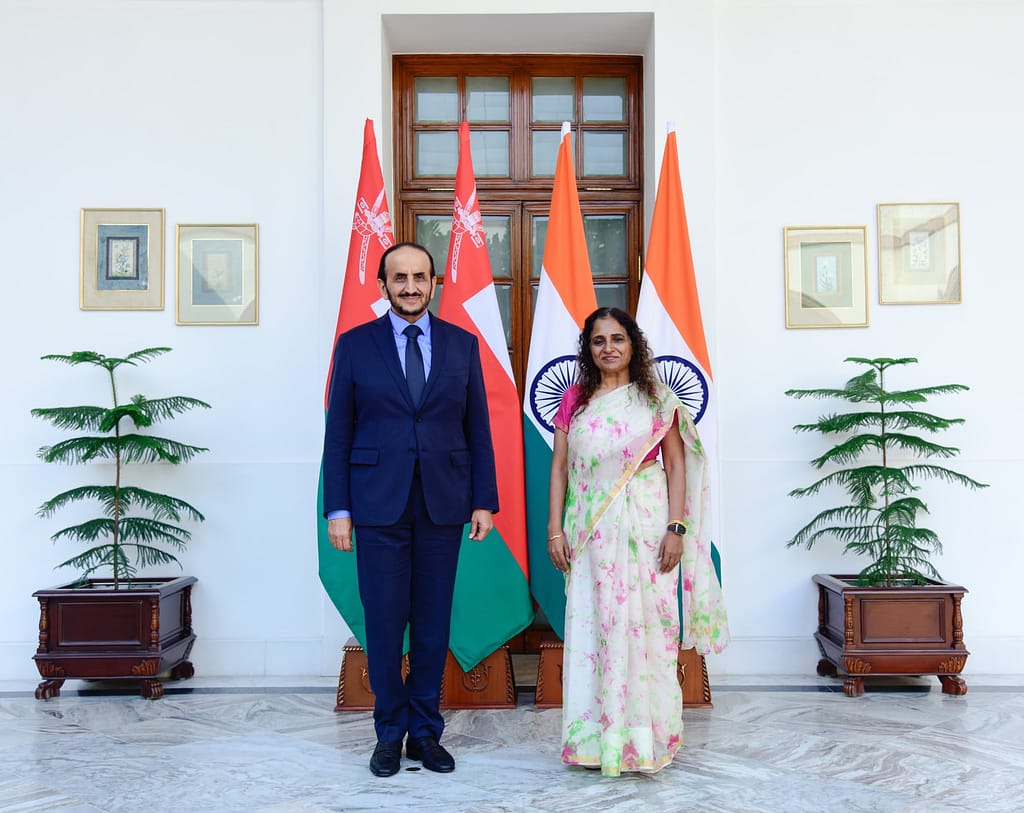
Background the 15th meeting of the Strategic Consultative Group between the Sultanate of Oman and the Republic of India took place in New Delhi. The Omani delegation was headed by Foreign Ministry Undersecretary for Political Affairs Sheikh Khalifa Alharthy, while the Indian delegation was headed by Siriya Ranganathan, Secretary for Consular, Passport, Visa and Overseas Indian Affairs at India’s Ministry of External Affairs. This meeting builds on previous engagements, with a 9 October 2026 statement confirming political consultations with Nepal, and a 28 September 2026 meeting with Tanzania. Prior statements show a consistent pattern of engagement between Oman and various regional partners, primarily centered around political and economic discussions, with Sheikh Khalifa Alharthy having previously met with the Director of Oman’s Commercial Office in the United States of America on 29 September 2026.
Analysis the meeting’s stated objectives – boosting trade, investment, and cooperation – align with the core tenets of the Comprehensive Economic Partnership Agreement. The inclusion of civil aviation, maritime transport, logistics, and energy alongside consular matters indicates a broad-based strategic approach. The review of “regional developments” suggests Oman is monitoring and responding to geopolitical shifts in South Asia, a region of increasing strategic importance. If implemented as described, the increased trade flows would be a significant step for India, given Oman’s strategic location and access to global markets. The meeting’s focus also reflects India’s broader efforts to secure reliable supply chains and diversify its trade partners.
Implications the focus on transport and logistics has implications for regional trade corridors and India’s connectivity initiatives. Increased trade with Oman could provide access to new markets and resources for Indian businesses, particularly in sectors like energy and petrochemicals. The meeting’s discussion of “regional developments” implies Oman is actively engaged in monitoring and potentially influencing developments in South Asia, given its role as a neutral mediator. The expansion of cooperation in maritime transport and logistics could further strengthen Oman’s position as a key transit hub, presenting both opportunities and potential challenges for regional security.
Outlook should the visit yield increased investment and trade flows, Oman would be bolstering its economic ties with a rapidly growing global power. If the discussions regarding regional developments prove fruitful, Oman could play a more active role in mediating disputes and promoting stability in the region. Should the Indian delegation be receptive to further collaboration on energy projects, it could significantly enhance Oman’s diversification strategy and reduce its reliance on hydrocarbon revenues. The statement does not address Oman’s broader economic strategy or long-term investment plans.
Conclusion the meeting highlights a deepening strategic partnership between Oman and India, primarily focused on trade and transport. The ongoing discussions suggest a commitment to sustained engagement, yet the precise contours of this relationship remain largely undefined, leaving open the question of Oman’s evolving role in the regional geopolitical landscape.