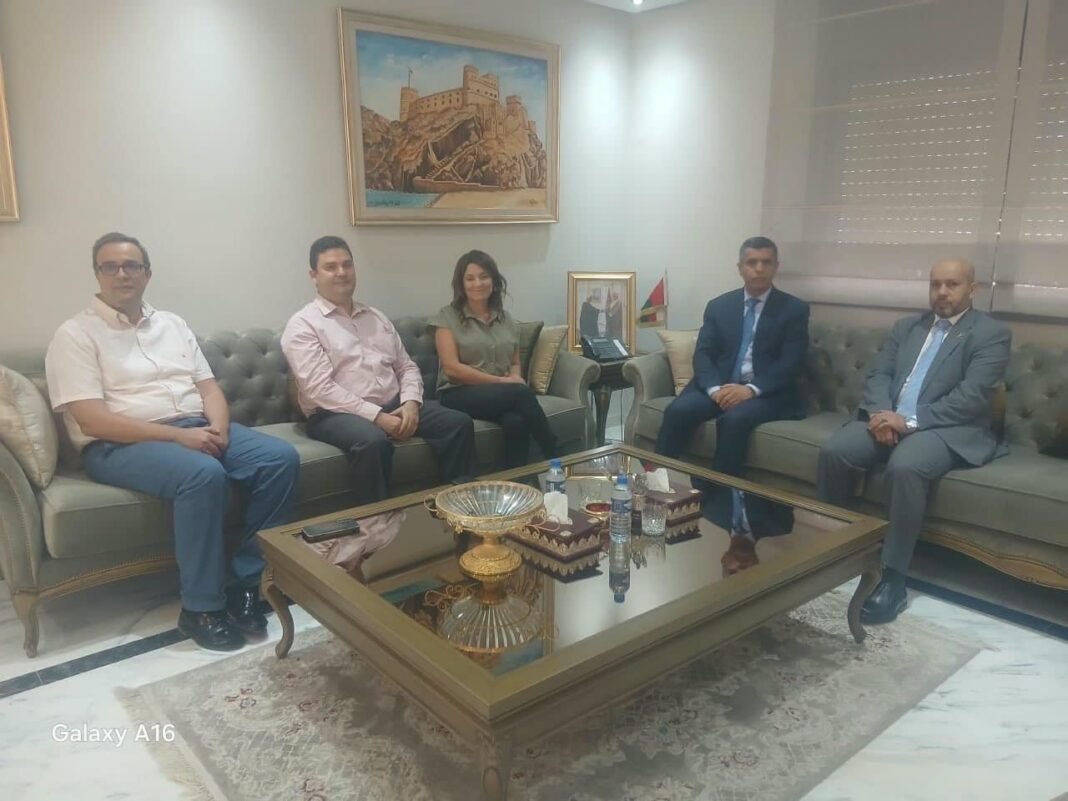
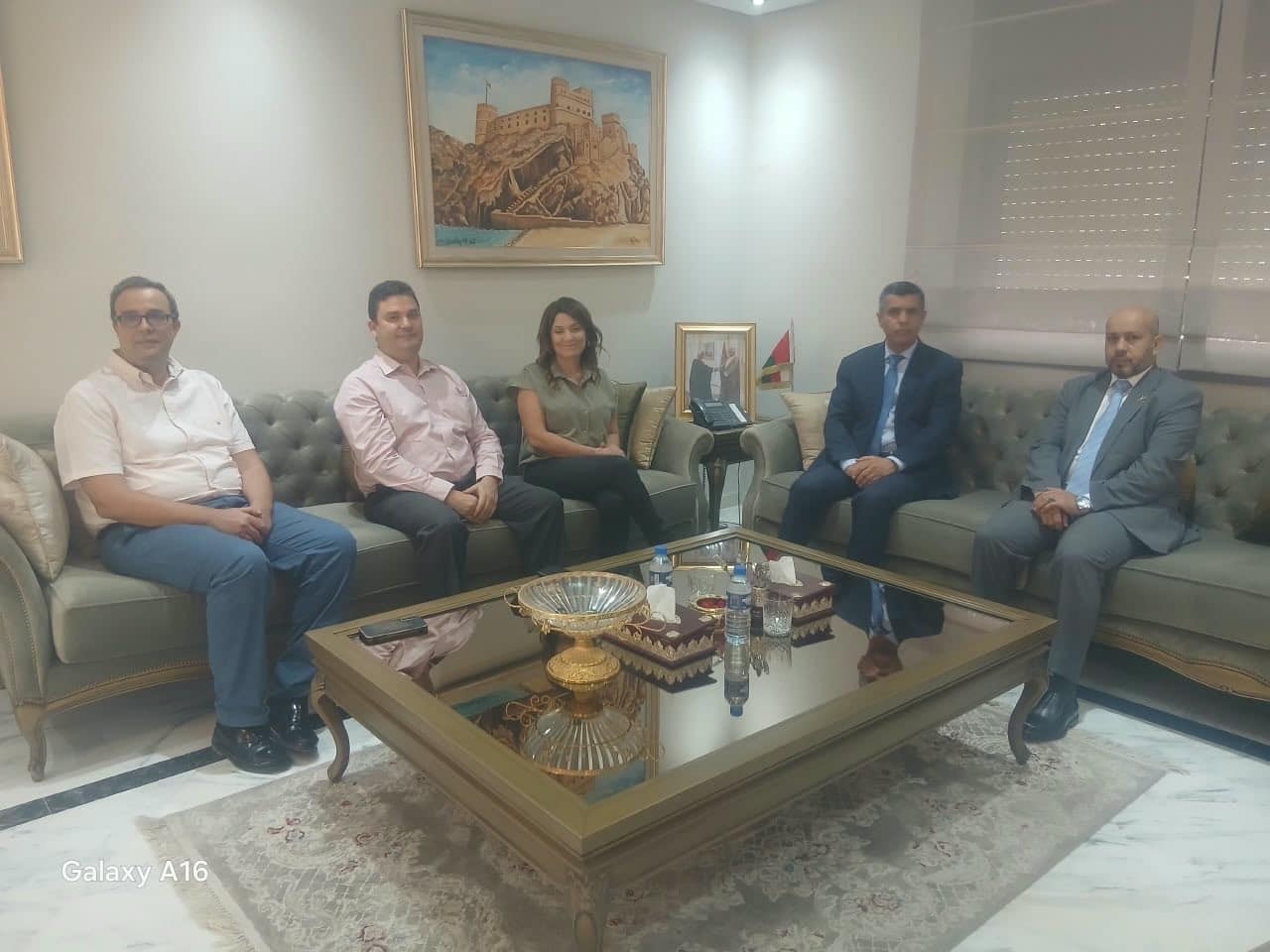
Reporting in a government statement, Oman’s Ambassador to Tunisia, Dr. Hilal Alsanani, met on 7 October 2026 with key figures in the Tunisian pharmaceutical industry, a move reflecting a strategic effort to deepen economic ties and expand medical tourism opportunities. The meeting’s focus on strengthening cooperation, as outlined in the statement, underscores a subtle shift in Oman’s regional engagement, particularly as it navigates broader geopolitical currents. This event, documented in a press release from the Ministry of Foreign Affairs, represents a continuation of Oman’s proactive approach to diversifying its economic portfolio beyond hydrocarbons, though the precise nature of this diversification remains largely undefined.
Background
The meeting occurred against a backdrop of ongoing diplomatic activity between Oman and several regional partners. Just nine days prior, on 9 October 2026, Oman held political consultations with Nepal. Furthermore, the Ministry issued a joint statement with Kazakhstan on 6 October 2026, detailing discussions focused on trade and investment. Prior to this, on 18 September 2026, Oman and Angola held talks, demonstrating a concerted effort to broaden its diplomatic and economic horizons. These engagements, alongside previous statements regarding security cooperation, highlight a deliberate strategy to consolidate Oman’s position as a stable and reliable partner within the Gulf region. The statement does not address the context of Oman’s broader stance on regional conflicts or its relationships with actors involved in those conflicts.
Analysis
The focus on the pharmaceutical industry and medical tourism presents a clear strategic objective for Oman: to leverage its developing healthcare sector and attract foreign investment. This initiative is tied to the “Oman Health Exhibition and Conference” held in September 2026, indicating a formalized effort to promote Oman as a destination for medical treatment and wellness tourism. The meeting with Cytopharma, Carthago Med, and Clinique La Marsa suggests a targeted approach, focusing on established pharmaceutical companies and medical facilities in Tunisia. This suggests a desire to establish a reliable supply chain and potentially benefit from Tunisian expertise in pharmaceutical development. The attendance of Abdullah Baomar, Deputy Head of Mission, indicates a level of diplomatic engagement beyond a purely commercial transaction. The fact that the meeting followed consultations with Nepal, Kazakhstan, and Angola suggests a broader strategy of engagement across diverse sectors, though the specific rationale for prioritizing Tunisia requires further analysis. There is no indication of a shift in Oman’s broader security policy or alignment with specific regional blocs.
Implications
For policymakers, the meeting’s outcome will be judged on its ability to translate into tangible investment and trade flows. The success of this initiative hinges on the willingness of Tunisian pharmaceutical companies to establish a presence in Oman and on the ability of Omani healthcare providers to attract international patients. The move has implications for regional stability, particularly if it leads to increased economic interdependence between Oman and Tunisia. The expansion of medical tourism also presents potential challenges, including regulatory hurdles and the need to ensure the quality and safety of healthcare services. Trade and security considerations remain largely unaddressed by the statement. The statement does not address the potential impact of this collaboration on Oman’s broader trade relationships with countries like Saudi Arabia or the United Arab Emirates.
Outlook
Should the visit yield concrete agreements regarding investment and partnerships, Oman’s strategy would be strengthened. If the Tunisian delegation’s participation in the “Oman Health Exhibition and Conference” proves successful, further collaborative ventures could be anticipated. However, if the discussions remain at a preliminary level, without any firm commitments, the initiative may be viewed as a missed opportunity. The statement does not address the potential for future meetings or the timeline for implementing any agreed-upon actions. It is contingent on continued diplomatic engagement with Tunisia and other regional partners.
Conclusion
The meeting with Tunisian pharmaceutical executives represents a carefully calibrated step in Oman’s efforts to diversify its economy. The emphasis on medical tourism and pharmaceutical partnerships underscores a long-term strategy, but the ultimate success of this venture remains uncertain, leaving open the question of whether Oman can effectively leverage its strategic location and diplomatic relationships to achieve its economic goals.