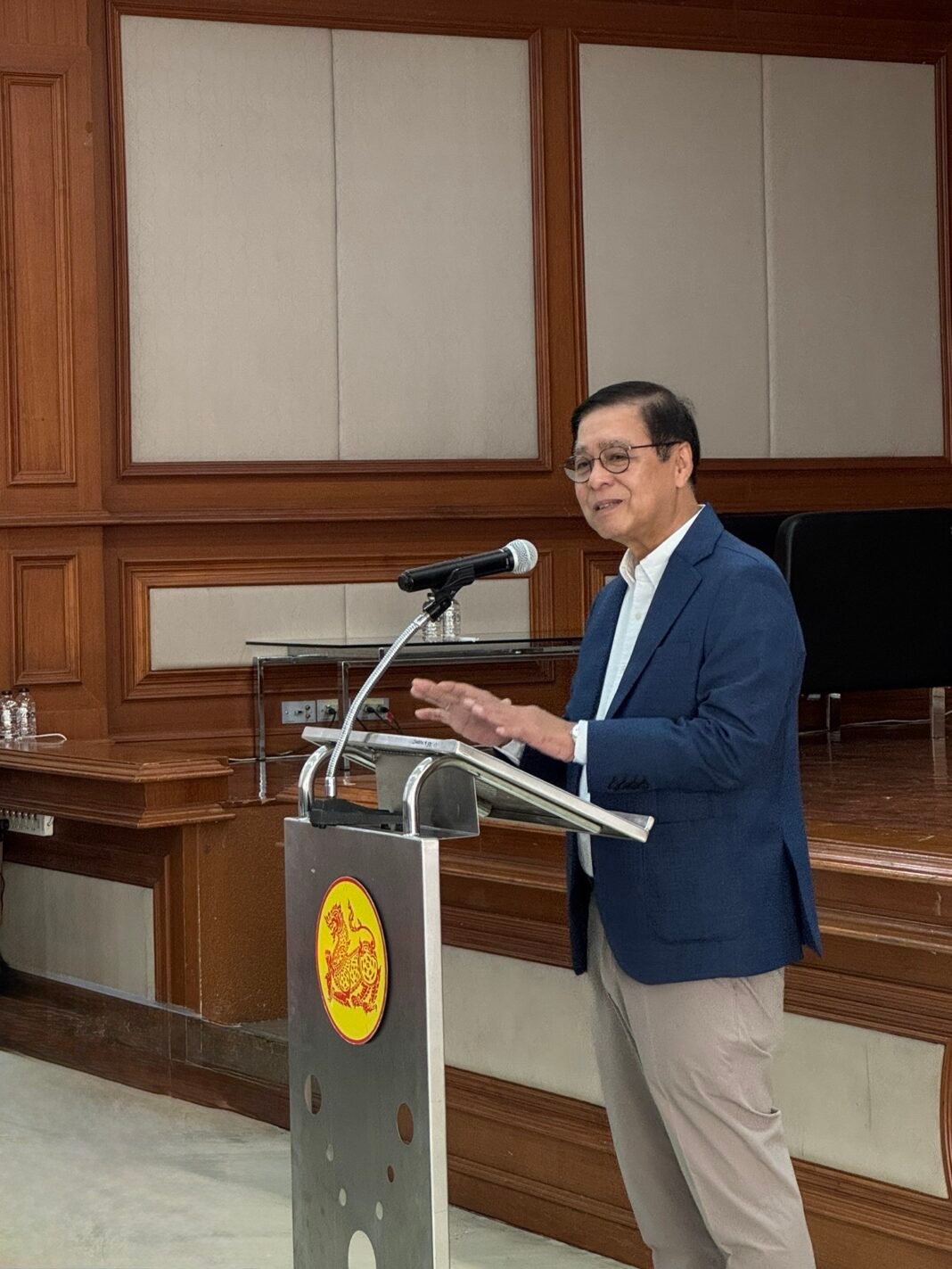
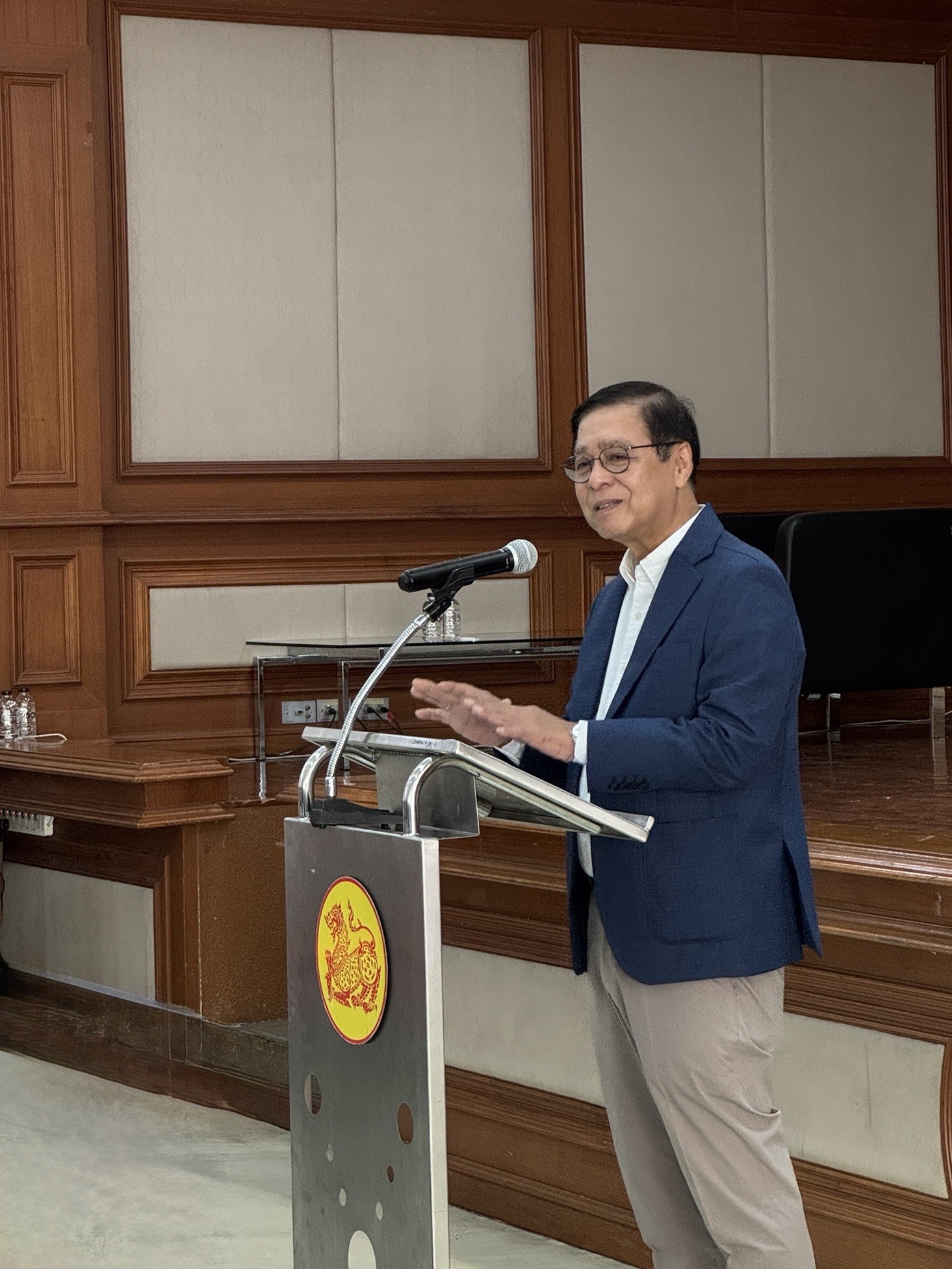
Reporting in a government statement, On September 8, 2026, Deputy Prime Minister and Minister of Foreign Affairs, Sihasak Phuangketkeow, delivered a keynote address at the Faculty of Political Science, Thammasat University in Tha Prachan. The event, attended by approximately 150 faculty members, academics, and students, centered on the topic “Thailand and the New World Order.” This presentation marked a public articulation of Thailand’s evolving foreign policy approach within a context increasingly defined by intensified global competition. The statement does not mention the specific nature of this competition; however, it highlights the need for a broadened strategic outlook.
Background
The Ministry of Foreign Affairs has articulated a 20-Year “5S” Foreign Affairs Masterplan, outlined in previous statements. This masterplan guides Thailand’s foreign policy objectives and priorities. The statement does not mention the specific details of this plan beyond its overarching framework. Prior to this address, on September 4, 2026, the Deputy Prime Minister was scheduled to undertake a working visit to Malaysia. Furthermore, on September 7, 2026, the Deputy Prime Minister attended a meeting between the Prime Minister and foreign Ambassadors and Consuls-General to Thailand—a routine diplomatic engagement designed to maintain established relationships. The statement does not address any prior discussions related to this topic or these meetings.
Analysis
The Deputy Prime Minister’s emphasis on “all dimensions and directions” within Thailand’s foreign policy suggests a deliberate attempt to move beyond a narrowly defined national interest. This phrasing, as stated in the release, indicates an acknowledgement of the increasingly complex geopolitical landscape. The core goal seems to be navigating intensifying competition among major powers—a reality confirmed by the statement’s framing around “geopolitical, geoeconomic, and geotechnological competition.” A key element of this strategy is proactive diplomacy, specifically focusing on economic engagement through Free Trade Agreement (FTA) negotiations and the Thailand – Africa Initiative (TAI). The inclusion of the TAI signals a desire to diversify Thailand’s trade relationships beyond traditional partners. The Deputy Prime Minister’s expressed confidence in policy coherence and coordinated efforts among relevant agencies reflects a recognition of the need for effective implementation—a challenge frequently encountered in large bureaucracies.
Implications
The address carries implications for regional stability, particularly Thailand’s relationships with major powers such as China and the United States. A commitment to multilateral engagement, as outlined, suggests a desire to maintain open channels of communication and collaboration—potentially easing tensions in areas where strategic interests diverge. The focus on FTA negotiations has direct economic consequences, impacting trade flows and investment patterns within Southeast Asia. Should Thailand successfully pursue these agreements, it could bolster its regional competitiveness and attract foreign capital. The statement does not address the potential impact on existing security arrangements or defense partnerships.
Outlook
Should the visit to Malaysia yield further opportunities for economic cooperation—specifically concerning trade routes and investment—Thailand’s broader strategic alignment with Southeast Asian partners could be reinforced. If the TAI continues to develop, particularly in establishing new trade links within Africa, Thailand’s role as a regional hub for connectivity would become increasingly prominent. However, should geopolitical tensions escalate further, particularly surrounding Myanmar, Thailand’s ability to maintain its commitment to proactive diplomacy will be tested—potentially requiring adjustments to its engagement strategies.
Sources & Further Reading
- Official press release
- Foreign ministry source
- Vice Minister for Foreign Affairs delivers a keynote address at the 19th ATRANS International Annual Conference (31 Aug 202)
- Deputy Prime Minister and Minister of Foreign Affairs to pay a working visit to Malaysia (4 Sep 2026)
- Deputy Prime Minister and Minister of Foreign Affairs attends a meeting between the Prime Minister and foreign Ambassadors and Consuls-General to Thailand (7 Sep 2026)