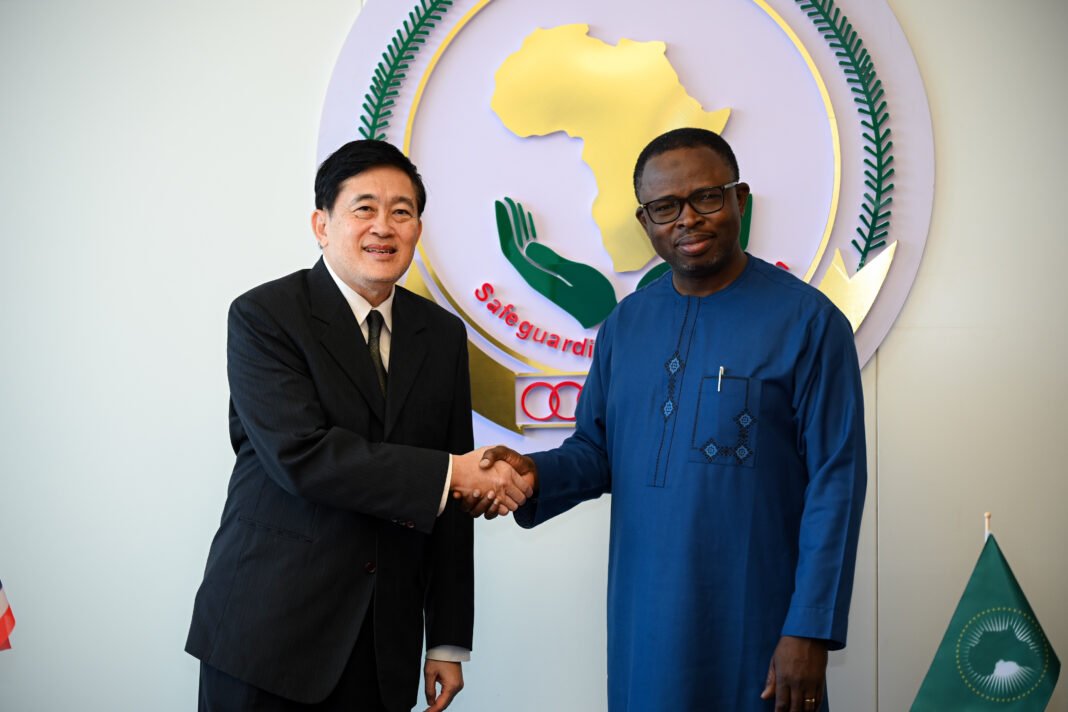
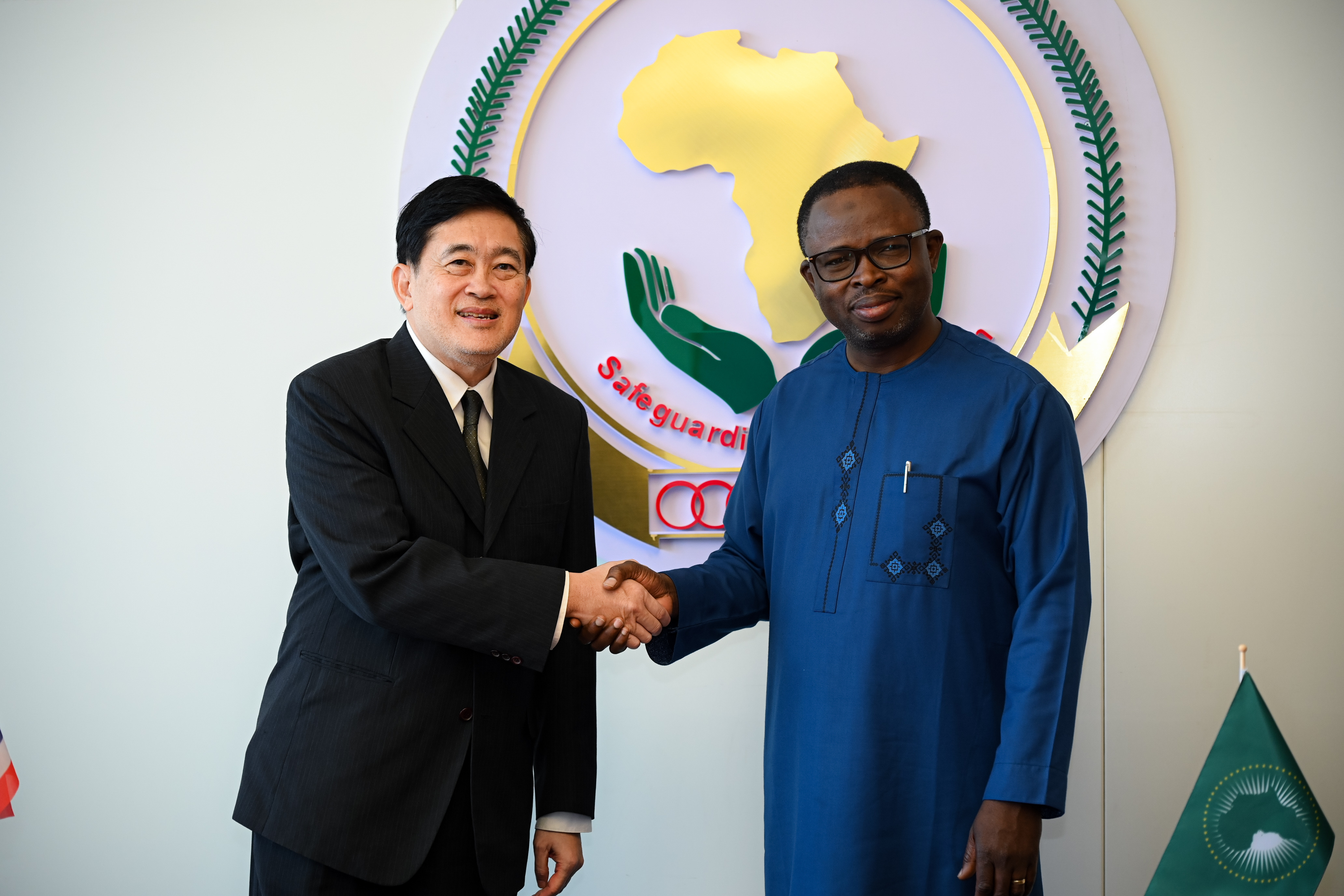
The foreign ministry readout describes On August 31, 2026, Advisor to the Minister of Foreign Affairs, H.E. Mr. Arthayudh Srisamoot, provided USD 30,000 to Dr. Raji Tajudeen, Acting Deputy Director-General of the Africa Centres for Disease Control and Prevention (Africa CDC), in Addis Ababa, Ethiopia, to support response efforts to the Ebola outbreak. This transfer, detailed in a Ministry of Foreign Affairs press release, represents Thailand’s first direct financial contribution to the Africa CDC, highlighting a shift beyond traditional diplomatic engagement within the region.
Background
The Thailand-Africa Initiative (TAI) serves as the framework for this cooperation. The statement does not mention specific prior meetings or agreements leading up to this donation. However, it references the Deputy Prime Minister and Minister of Foreign Affairs’ involvement through Mr. Arthayudh Srisamoot, positioning him as Special Envoy. This indicates a formalized mechanism for channeling support, aligning with Thailand’s broader “5S” Foreign Affairs Masterplan – Strategic, Sustainable, Synergistic, Supportive, and Service-oriented—which prioritizes South–South cooperation.
Analysis
The decision to contribute USD 30,000 underscores a growing recognition within Bangkok of the potential risks posed by outbreaks in Africa. The Ebola crisis presents a clear strategic imperative for Thailand, aligning with its stated goal of strengthening relations with the African region and promoting Universal Health Coverage (UHC). This contribution is not simply humanitarian aid; it’s an investment in bolstering Africa CDC’s capacity to address emerging infectious diseases, potentially reducing future threats to global health security. The simultaneous interest in establishing the ASEAN Centre for Public Health Emergencies and Emerging Diseases (ACPHEED) suggests a plan for sustained engagement – learning from Africa CDC’s experience while simultaneously offering Thailand’s expertise.
Implications
This move has implications for regional stability, particularly concerning disease vectors and international health governance. If implemented as described, the Thailand-Africa partnership could contribute to improved surveillance systems and response capabilities in vulnerable African nations. The planned establishment of the ACPHEED presents a potential model for ASEAN’s wider engagement with public health emergencies across Southeast Asia. Furthermore, Thailand’s willingness to share its UHC experiences potentially opens up avenues for technical assistance and knowledge transfer within the region.
Outlook
Should the visit yield positive results in terms of collaboration and knowledge exchange, the Ministry of Foreign Affairs intends to expand cooperation with Africa CDC. If the ACPHEED project gains traction, it could become a central hub for regional expertise in pandemic preparedness – contingent on securing necessary resources and establishing effective partnerships. Should Thailand successfully facilitate linkages between Africa CDC and ASEAN health cooperation mechanisms, this would represent a significant step towards strengthened regional health security.
Conclusion
The financial contribution to the Africa Centres for Disease Control and Prevention marks a tangible shift in Thailand’s foreign policy approach – one that prioritizes proactive engagement in global health challenges. The statement does not address the long-term strategy or potential scale of this investment, leaving open the question of whether Bangkok intends to solidify its role as a key partner in addressing emerging infectious diseases on the continent.