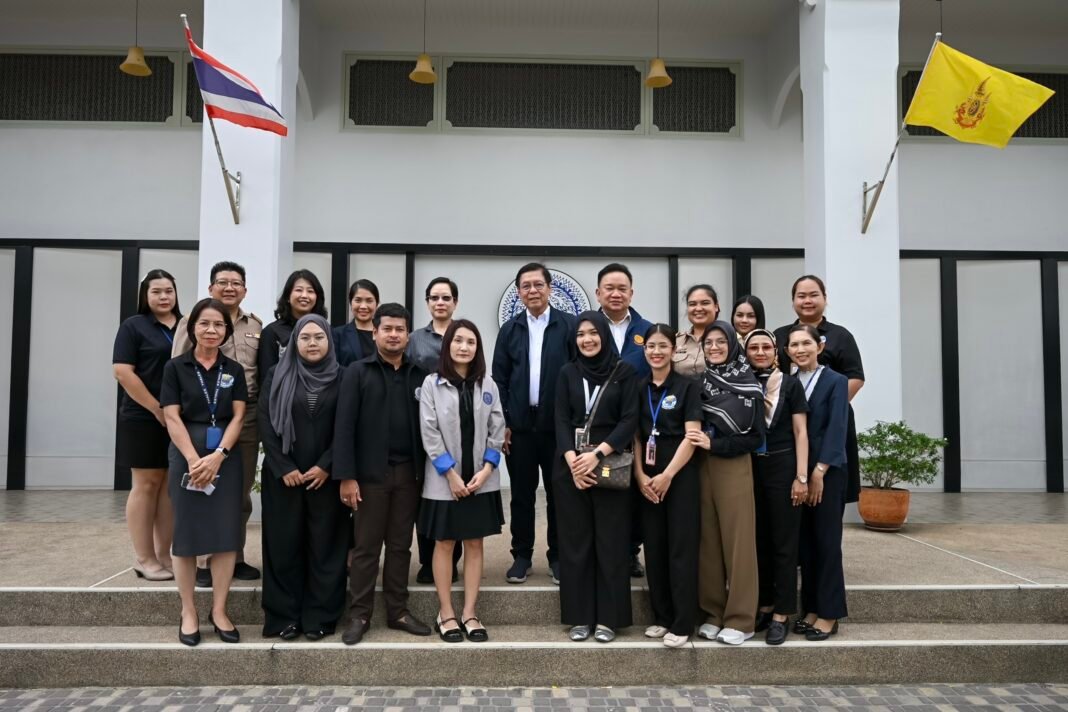
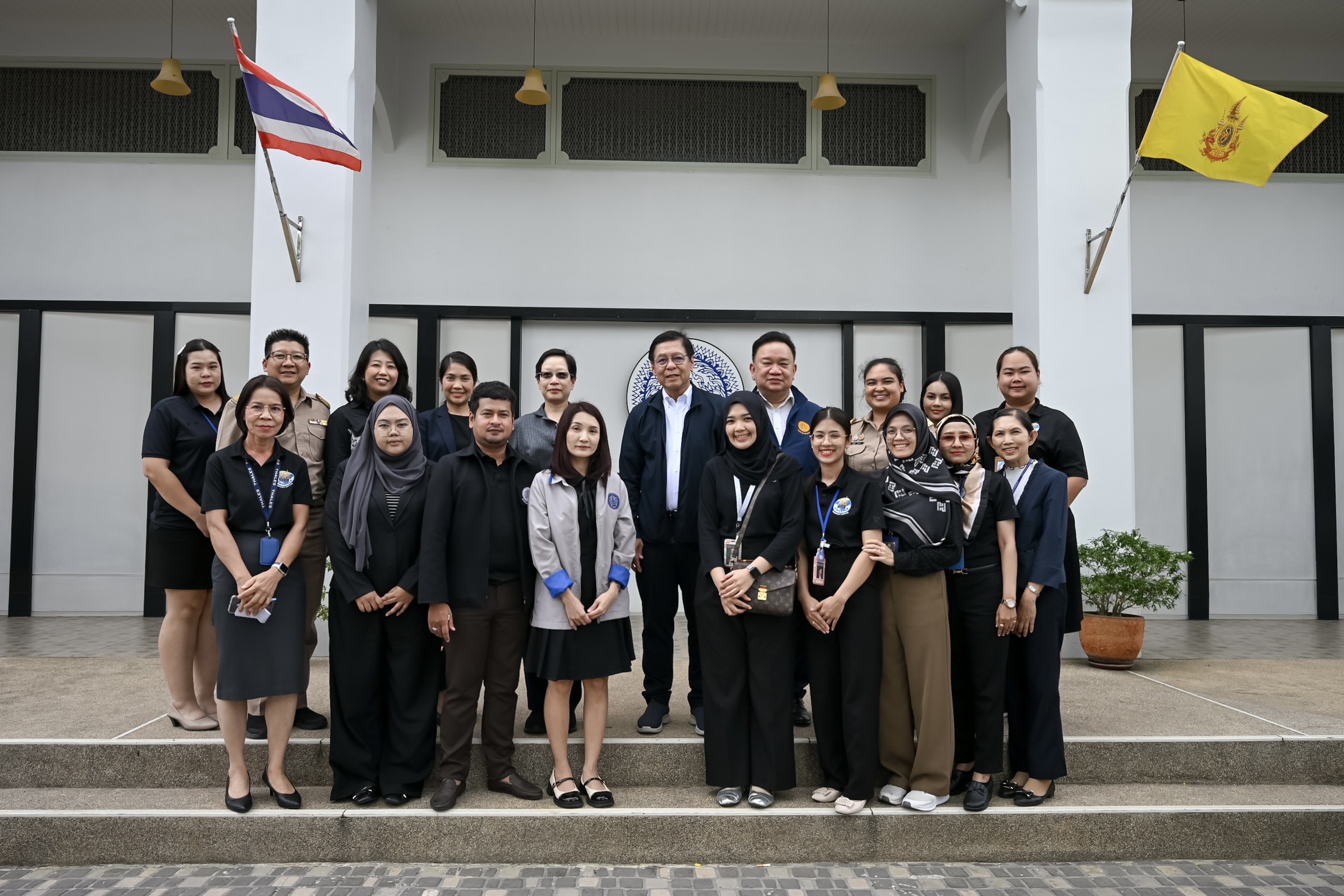
The official readout frames the trip as On August 31, 2026, Deputy Prime Minister and Minister of Foreign Affairs, H.E. Mr. Sihasak Phuangketkeow, visited the Songkhla Passport Office during the Mobile Cabinet Meeting No. 1/2026 in Songkhla Province. This visit, coinciding with a review of government service delivery, underscores Thailand’s commitment to improving access for its citizens. The statement does not mention the specific goals of the Mobile Cabinet Meeting or the broader context of this localized engagement. However, the action signifies a deliberate effort to connect directly with constituents within key operational areas – a strategy central to the 20-Year “5S” Foreign Affairs Masterplan.
Background
The Mobile Cabinet Meeting No. 1/2026 was held in Songkhla Province, indicating a focus on regional development and service provision. The statement does not specify the agenda of the meeting itself, but it is framed within the context of Thailand’s ongoing “5S” Foreign Affairs Masterplan – a long-term strategy for diplomatic engagement articulated in various policy statements. The Thai Passport and Travel Document for Aliens sections of the Ministry’s website highlight the importance of efficient passport issuance services to facilitate travel and international engagement. The MFA’s strategic approach, as outlined within the Annual Report, prioritizes effective service delivery alongside broader foreign policy objectives.
Analysis
The Deputy Prime Minister’s visit suggests a prioritization of tangible service improvements over purely diplomatic initiatives. This action aligns with the Ministry’s stated goal of enhancing accessibility for citizens within their respective jurisdictions. The statement does not address potential challenges associated with decentralized service delivery, such as ensuring consistent standards across different offices or managing logistical complexities. If implemented as described, this localized engagement could improve public perception of government efficiency and responsiveness, particularly in regions like Songkhla Province.
Implications
This visit has implications for Thailand’s approach to regional diplomacy and its efforts to foster economic ties. Improved passport processing times, a direct outcome of the Deputy Prime Minister’s encouragement, could facilitate increased tourism and business travel. The focus on localized service delivery could also be interpreted as a signal to international partners regarding Thailand’s commitment to operational effectiveness – a key element in maintaining stable diplomatic relations. The statement does not address potential trade implications or security considerations related to streamlined border crossings.
Outlook
Should the visit yield positive feedback on service delivery processes, the Ministry may consider expanding this model of direct engagement across other government agencies. If the Deputy Prime Minister’s guidance leads to demonstrable improvements in passport processing times and access to consular services, it could strengthen Thailand’s image as a welcoming destination for international travelers and investors. The statement does not address contingency plans should challenges arise during implementation or if the visit fails to achieve its stated goals.
Conclusion
The visit to the Songkhla Passport Office represents a tangible step in the Ministry of Foreign Affairs’ efforts to connect with citizens. The question remains: will this localized approach translate into sustained improvements in service delivery, or will it remain a temporary demonstration of commitment?