Background
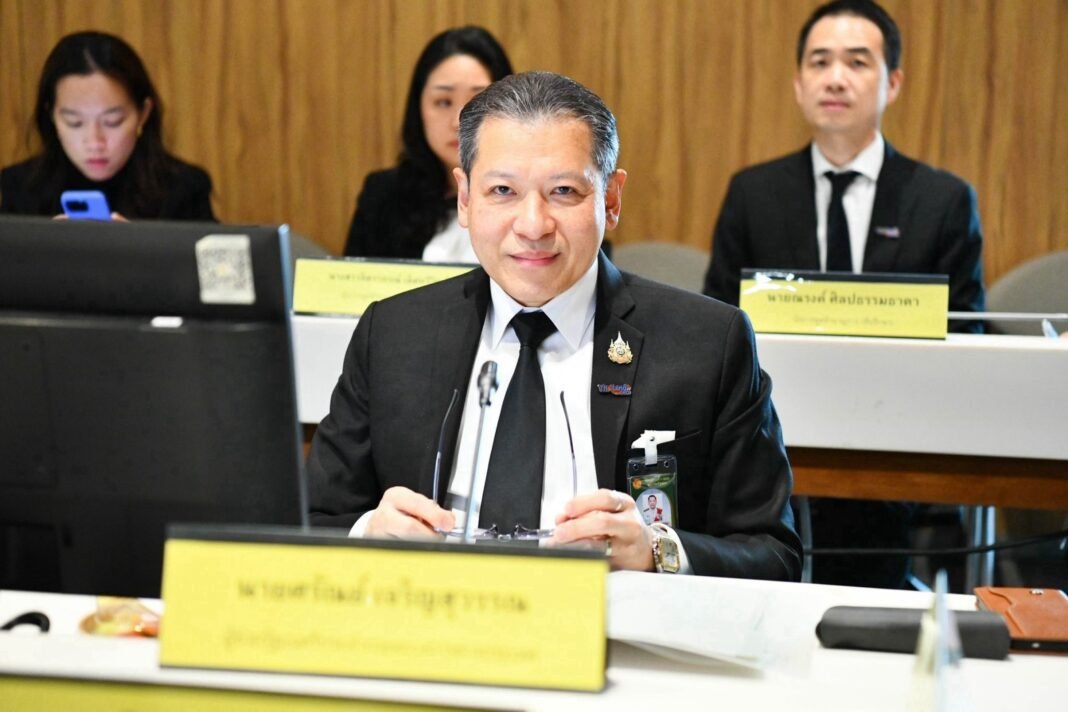
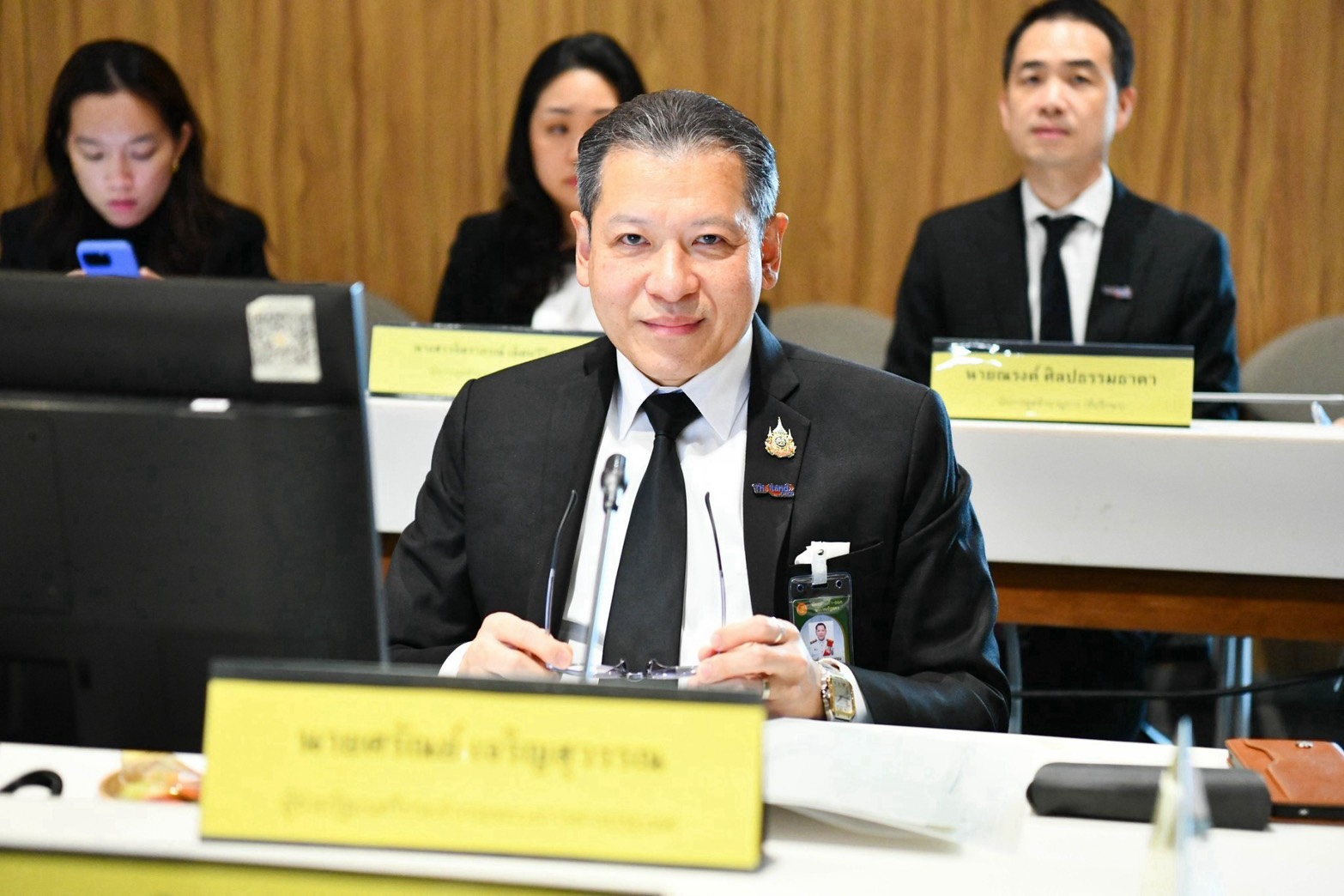
The meeting, chaired by Mr. Chavaphon Wattanavekin, occurred within the framework of Thailand’s broader “5S Foreign Affairs Masterplan,” a 20-year strategy outlined in the Ministry of Foreign Affairs’ policy statements. The process is currently overseen by 25 OECD Committees who are conducting technical reviews to assess Thailand’s alignment with OECD standards across laws, policies, and practices. The statement does not address the specific criteria or weighting applied by these committees. Coordinating this effort is the Office of the Council of State, indicating a complex, multi-layered approach to accession involving both executive and legislative branches.
Analysis
The government’s stated ambition – membership by 2028 – creates an incentive for rapid progress across multiple fronts. However, the reliance on 25 OECD Committees introduces significant uncertainty. The statement does not address the potential challenges associated with navigating such a dispersed and potentially demanding review process. Furthermore, the emphasis on legislative reforms highlights a critical vulnerability: Thailand’s capacity to rapidly amend its legal framework – a process that can be protracted and politically sensitive. The inclusion of the Senate Committee underscores the need for effective parliamentary engagement, a factor that has historically presented challenges in Thai governance. If implemented as described, this timeline appears ambitious given the inherent complexity of OECD alignment.
Implications
The pursuit of OECD membership carries implications beyond mere economic integration. It compels Thailand to strengthen its governance structures and business environment, potentially attracting foreign investment by signalling adherence to international best practices. The stated goal also raises questions about Thailand’s long-term confidence – if successful, it could bolster investor sentiment; should the process falter, it may expose underlying weaknesses in the Thai economy. The focus on parliamentary engagement suggests a recognition of the need to enhance democratic accountability and transparency.
Outlook
Should the visit yield progress in addressing the OECD Committee reviews, Thailand would likely face continued pressure for legal reforms. If the Senate’s Sub-Committee on Consideration and Monitoring identifies significant gaps, the government will need to prioritize legislative action – a process that could be significantly delayed by political considerations. Should the 2028 target prove unattainable, this suggests a fundamental shift in the Thai government’s approach to economic reform, potentially prioritizing more incremental improvements rather than ambitious accession goals.
Conclusion
The timing of Thailand’s OECD ambition—2028—remains firmly rooted in government policy; however, the statement does not address whether this timeline is realistic given the scale and complexity of the required reforms. The continued engagement with the Senate Committee highlights a key point of potential friction – the alignment between legislative capacity and the demands of international membership.