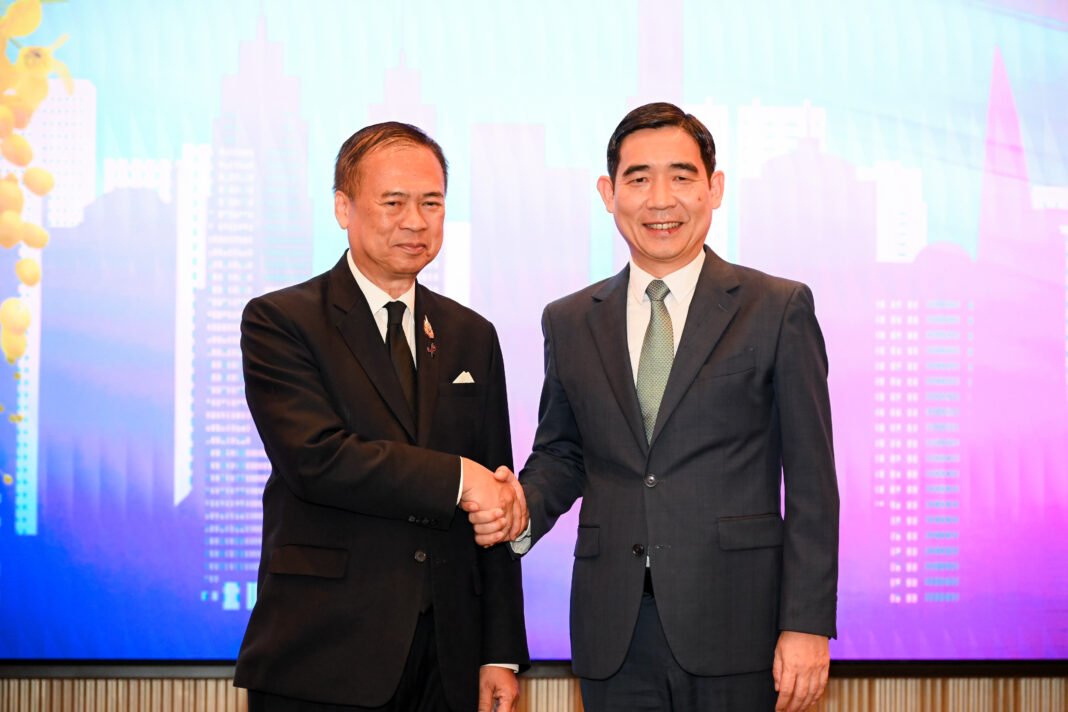
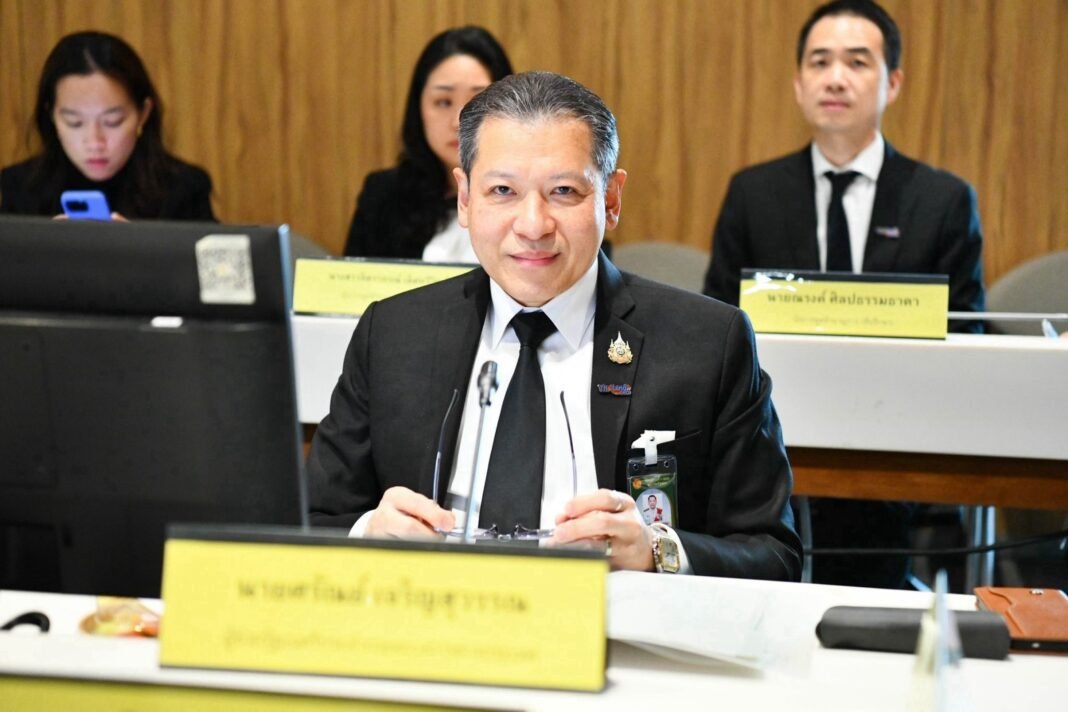
A ministry communiqué confirms that The Ministry of Foreign Affairs issued a briefing for diplomatic missions in Colombo on August 24th, 2026, announcing the Sri Lanka Economic and Investment Summit 2026. The summit, organized by the Ceylon Chamber of Commerce, is scheduled to take place from October 12th to 13th, 2026, at Shangri-La Colombo. Deputy Minister of Foreign Affairs and Foreign Employment, Arun Hemachandra highlighted Sri Lanka’s growing opportunities for foreign direct investment and access to emerging markets. This suggests a deliberate effort to attract capital amid ongoing economic challenges.

Background
The event is the Ceylon Chamber of Commerce’s annual flagship summit. Krishan Baldendra, Chairperson of the Ceylon Chamber of Commerce, outlined its objectives and significance. Shiran Fernando, Secretary General and CEO of the Ceylon Chamber of Commerce, subsequently delivered a detailed presentation on the Summit, highlighting registration processes and arrangements for visiting delegations. The briefing provided diplomatic missions with an overview of the summit’s key features.
Analysis
The statement does not address Sri Lanka’s debt situation or the impact of global economic trends on investment decisions. Hemachandra’s emphasis on strengthening public–private partnerships and private sector engagement indicates a desire to mitigate reliance on state-led development models, if implemented as described. The summit’s focus on sustainable investment and economic growth reflects broader international pressure for environmentally responsible capital flows. However, the lack of detail regarding specific sectors targeted for investment – or the mechanisms for attracting such investment – raises concerns about transparency.
Implications
The summit’s success hinges on attracting foreign delegations and securing concrete investment commitments. A well-attended event could signal renewed investor confidence, potentially easing access to international credit markets. Should the visit yield positive outcomes, it would bolster Sri Lanka’s diplomatic efforts to secure bilateral agreements. Conversely, a lack of engagement could further exacerbate existing economic vulnerabilities.
Outlook
If the summit achieves its stated objectives, Sri Lanka will have strengthened international partnerships and private sector engagement. Should the Ceylon Chamber of Commerce successfully attract significant foreign investment, it would provide a much-needed boost to the nation’s economy. The statement does not address whether the summit will result in tangible commitments or simply generate publicity.
Conclusion
The Summit’s value lies not just in attracting attendees but in translating interest into concrete investment opportunities, a question that remains unanswered by this initial announcement.