
Background
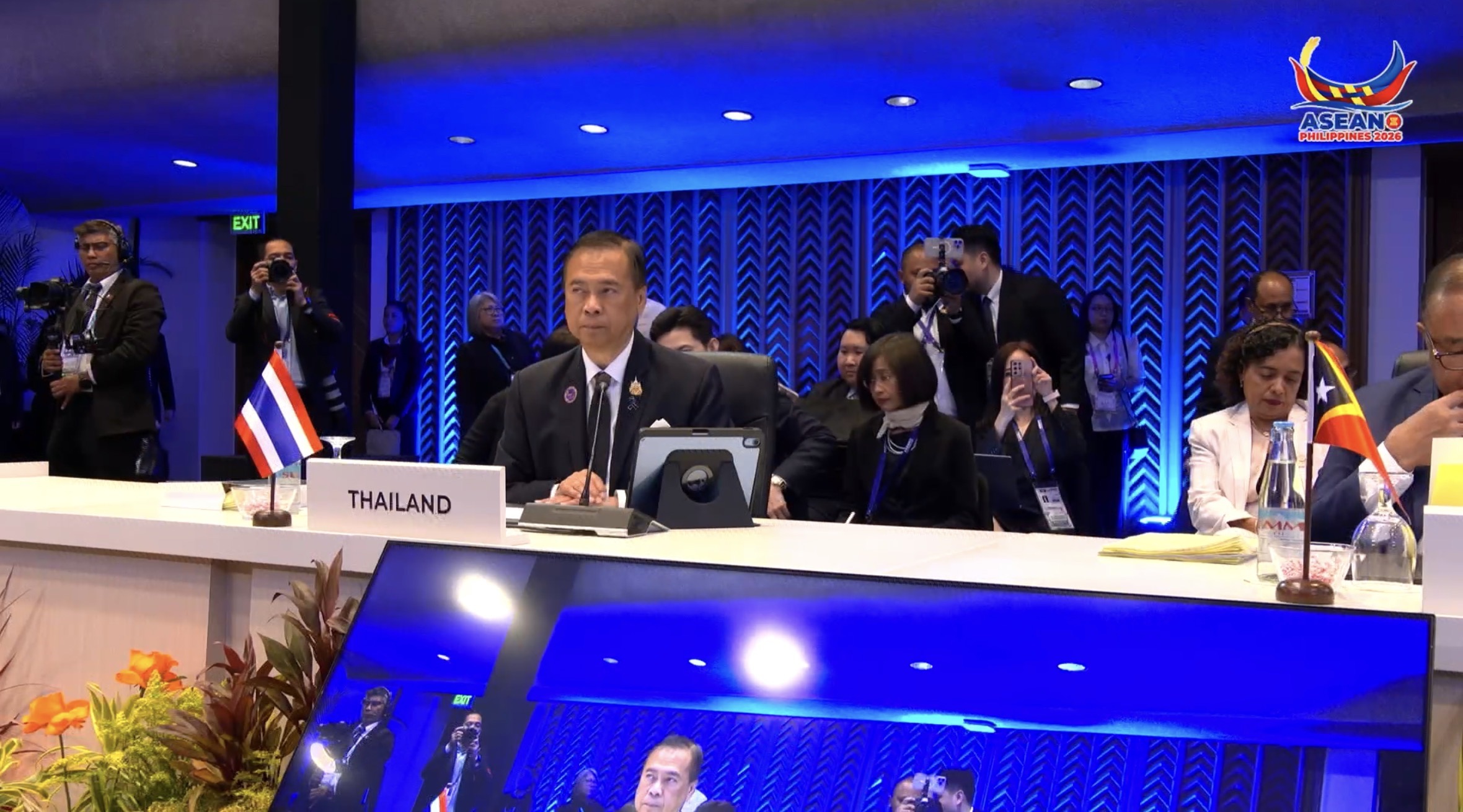
The 59th ASEAN Foreign Ministers’ Meeting represents a key forum for advancing ASEAN’s strategic agenda. The Philippines held the ASEAN Chairmanship for 2026, providing a platform for focused discussions. These discussions centered on several priorities including strengthening ASEAN’s capacity to address current and emerging challenges and enhancing engagement with external partners. The statement does not mention specific countries involved in these engagements beyond the general reference to “external partners.” Central to this framework is the Treaty of Amity and Cooperation in Southeast Asia (TAC), explicitly identified as a “cornerstone” of ASEAN’s rules-based regional order.
Analysis
Thailand’s focus on preserving ASEAN unity and centrality reflects established policy priorities. The stated aim – advancing discussions under the Philippines’ ASEAN Chairmanship – suggests an alignment with the current chair’s agenda. This continued emphasis on the TAC framework indicates a commitment to upholding existing mechanisms for conflict resolution and cooperation within Southeast Asia. If implemented as described, this approach prioritizes stability and predictable engagement, potentially mitigating risks associated with heightened regional competition. The participation in these discussions signals Thailand’s intention to maintain its role as a key driver of ASEAN’s strategic direction.
Implications
The Vice Minister’s attendance at the Plenary Session carries implications for regional stability. A continued focus on ASEAN unity and centrality could serve as a stabilizing force within Southeast Asia, particularly given the evolving dynamics between major powers. The strengthening of ASEAN’s capacity to address emerging challenges—the statement does not specify these challenges—represents a practical step towards maintaining relevance in an increasingly complex international environment. Engagement with external partners, framed by the TAC, suggests a desire to maintain open channels for dialogue and cooperation, though the precise scope of this engagement remains undefined.
Outlook
Should the visit yield continued support from ASEAN member states for Thailand’s approach, it would reinforce the country’s commitment to regional stability. If the Philippines’ ASEAN Chairmanship continues to prioritize these themes, it could bolster Thailand’s influence within the organization. However, if disagreements arise regarding specific priorities or approaches, particularly concerning engagement with external partners, this could create friction within the alliance. The statement does not address potential challenges related to differing national interests among ASEAN members.
Conclusion
The Vice Minister’s participation in the Manila Plenary Session highlights Thailand’s ongoing dedication to a particular vision of regional order—one anchored in the TAC and emphasizing ASEAN unity. The continued emphasis on this framework raises the question of whether Thailand can effectively navigate competing strategic pressures while maintaining its central role within Southeast Asia.