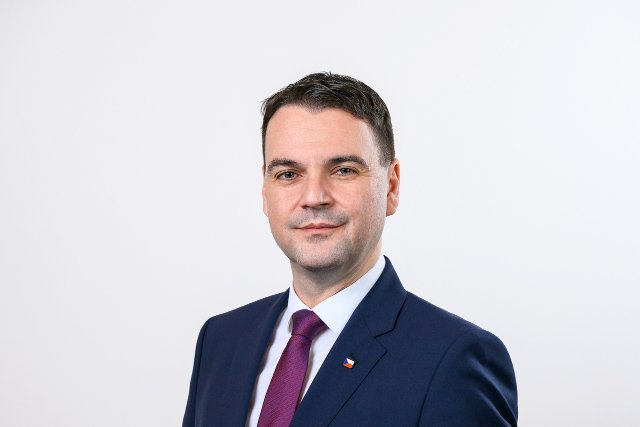
Details in a press release show that The Deputy Prime Minister and Minister of Foreign Affairs Petr Macinka will visit North Macedonia on 19 and 20 August, where he will meet with senior North Macedonian government officials. The statement does not mention specific topics to be discussed during these meetings. This visit, occurring between 19 and 20 August, represents the latest in a series of engagements by Prague within the Western Balkans. The Czech Republic’s intention is to bolster bilateral relations at a time when regional dynamics remain complex.

Background
The statement does not address prior meetings or agreements between the two nations. It indicates that the program will include participation in a seminar on digitalization and cybersecurity. The visit also encompasses the official opening of a meeting of heads of North Macedonian diplomatic missions. This suggests ongoing efforts to foster cooperation across multiple sectors within the country.
Analysis
The visit highlights Czech incentives to maintain engagement with North Macedonia, a NATO member and candidate for EU accession. The inclusion of a seminar on digitalization and cybersecurity points to potential areas of mutual interest – particularly as North Macedonia seeks to modernize its economy. This suggests a strategy focused on practical collaboration rather than broad political declarations. The statement does not address the current geopolitical context within the region.
Implications
The Czech Republic’s engagement signals continued support for North Macedonia, particularly in light of ongoing challenges related to EU accession and regional security. Should the visit yield positive outcomes regarding digitalization and cybersecurity cooperation, it could strengthen Prague’s position as a key interlocutor within Western Balkan diplomacy. The statement does not address potential implications for trade or security arrangements with North Macedonia.
Outlook
If the meeting of heads of diplomatic missions proceeds as planned, this suggests an intention to reinforce existing channels of communication. Should the visit result in a renewed commitment from North Macedonian leaders to pursue reforms aligned with EU standards, it could further incentivize Czech investment and economic partnerships. The statement does not specify any potential follow-up actions or conditions attached to these engagements.
Conclusion
The limited scope of Macinka’s visit – focusing solely on bilateral meetings and a technical seminar – leaves open the question of Prague’s broader strategic priorities within the Western Balkans. The statement does not offer insight into how this engagement will contribute to overall regional stability.