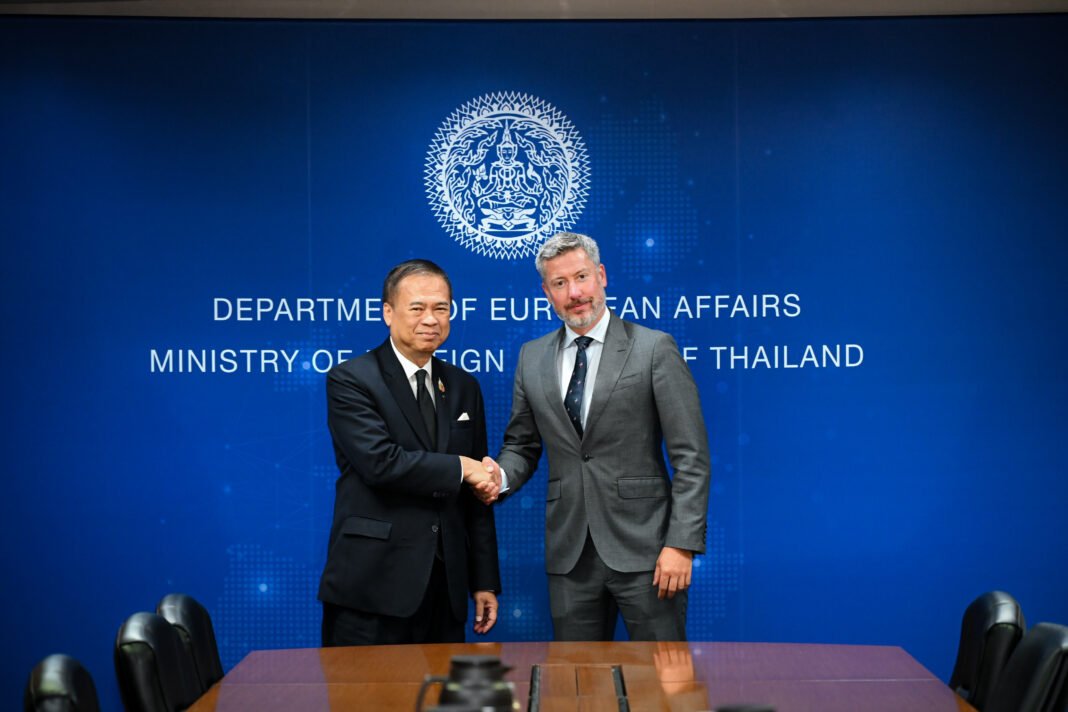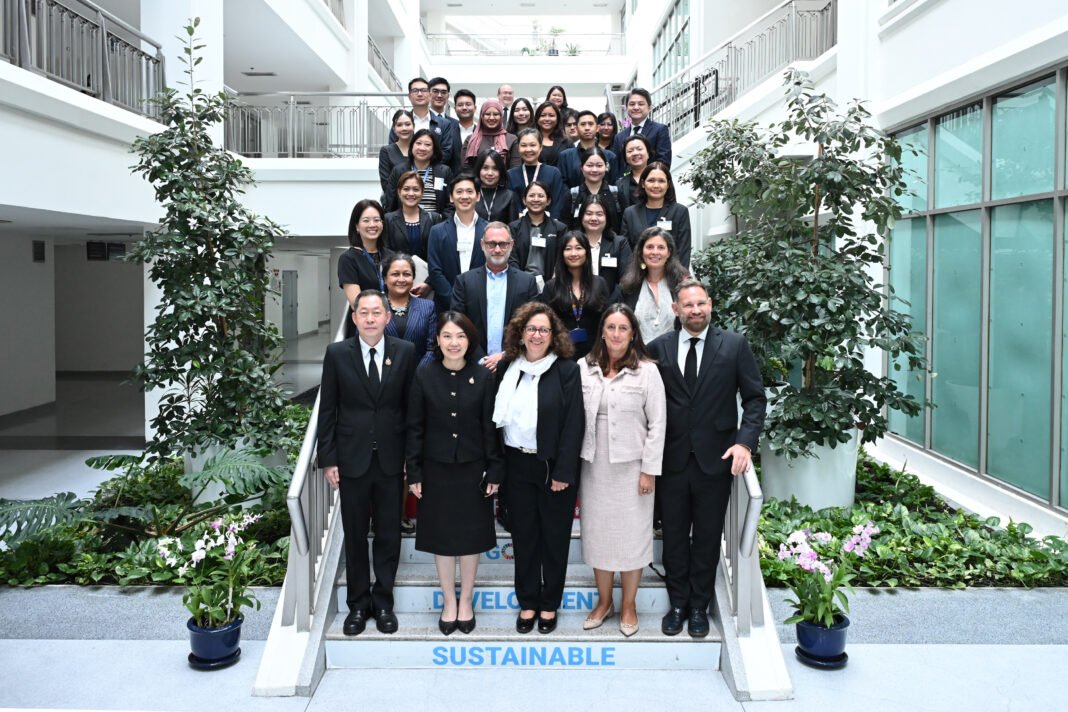
On 17 August 2026, Ms. Somrudee Poopornanake, Director-General of the Department of European Affairs, met with H.E. Mrs. Luisa Ragher, Ambassador of the European Union to Thailand and Mrs. Andrea Koulaimah, Director for Africa, Asia, Latin America, the Caribbean and Pacific at the European Commission’s Directorate-General for European Civil Protection and Humanitarian Aid Operations (DG ECHO), to discuss Thailand-EU cooperation on civil protection and disaster management, as well as humanitarian assistance for Myanmar Displaced Persons (MDPs). This engagement highlights a growing recognition of shared vulnerabilities in Southeast Asia and underscores Bangkok’s evolving strategy for managing regional crises. — the full statement has further detail.
Background
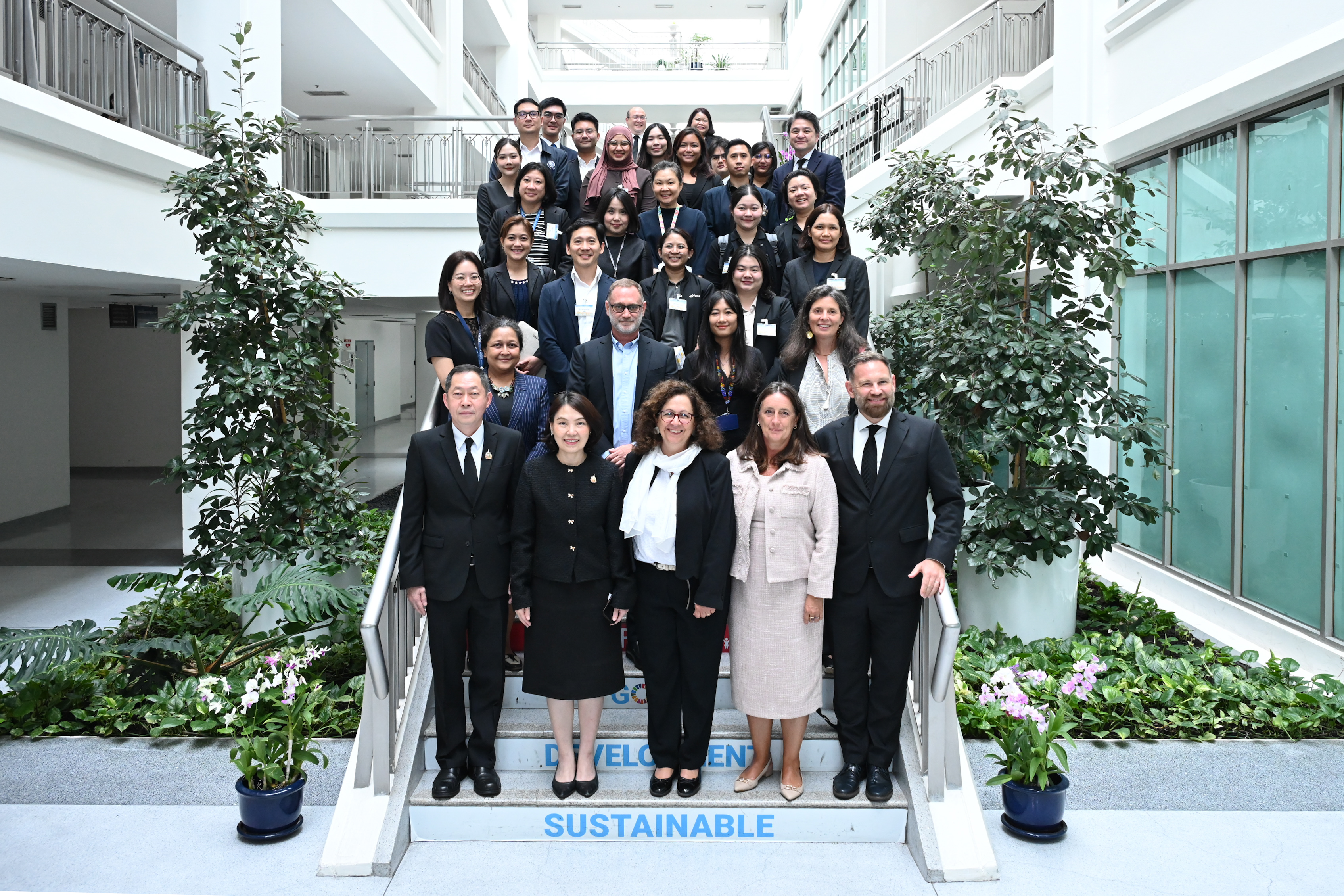
The meeting brought together representatives from the Ministry of Interior, Ministry of Labour, Ministry of Natural Resources and Environment, National Security Council (NSC), Geo-Informatics and Space Technology Development Agency (GISTDA), Chulalongkorn University, and relevant agencies of the Ministry of Foreign Affairs. The statement does not mention previous discussions or agreements surrounding Thailand’s relationships with the EU; however, it references ongoing dialogue on civil protection, disaster management, and humanitarian assistance within the broader context of Thailand’s diplomatic engagement with European partners. The 20-Year “5S” Foreign Affairs Masterplan prioritizes security and stability – a key driver for this expanded collaboration.
Analysis
The meeting’s emphasis on technology transfer, specifically the deployment of the EU’s Copernicus programme, suggests a strategic shift in Thailand’s approach to disaster preparedness. The inclusion of satellite data indicates an increased reliance on advanced monitoring capabilities to anticipate and mitigate risks – potentially addressing challenges like forest fires, floods, or cross-border pollution. Furthermore, the focus on skills development for Myanmar Displaced Persons (MDPs) demonstrates Bangkok’s commitment to a long-term strategy that moves beyond immediate humanitarian relief towards fostering self-reliance among this vulnerable population. This approach aligns with broader trends in international aid programming demanding greater emphasis on sustainable solutions and local capacity building. The statement does not address the significant logistical and operational complexities involved in coordinating aid efforts within Myanmar.
Implications
For policymakers, this deepened cooperation represents an opportunity to bolster Thailand’s resilience against natural disasters and humanitarian crises – a critical consideration given the country’s geographic vulnerabilities. The alignment with EU standards on disaster management could facilitate future participation in international initiatives and potentially attract further investment in related technologies. Should the visit yield successful outcomes in knowledge transfer, it could significantly enhance Thailand’s capacity to respond effectively to emergencies. However, the meeting does not address potential tensions surrounding access to MDPs or concerns regarding the political dynamics within Myanmar.
Outlook
If the technology transfer initiatives are successfully implemented, as described in the statement, and should the visit yield tangible results in securing operational support from DG ECHO, Thailand could significantly enhance its preparedness for future disasters. Should the deployment of satellite data prove effective in monitoring environmental risks – particularly related to pollution – it would represent a considerable advancement in preventative measures. The focus on skills development for MDPs remains contingent upon political stability within Myanmar and continued access facilitated by the Thai government.
Conclusion
The meeting’s exploration of technology transfer and humanitarian assistance represents a step towards integrating Thailand more deeply into regional crisis management frameworks, but the statement does not offer insight into the long-term sustainability of this engagement or address the underlying political challenges within Myanmar that continue to drive displacement.