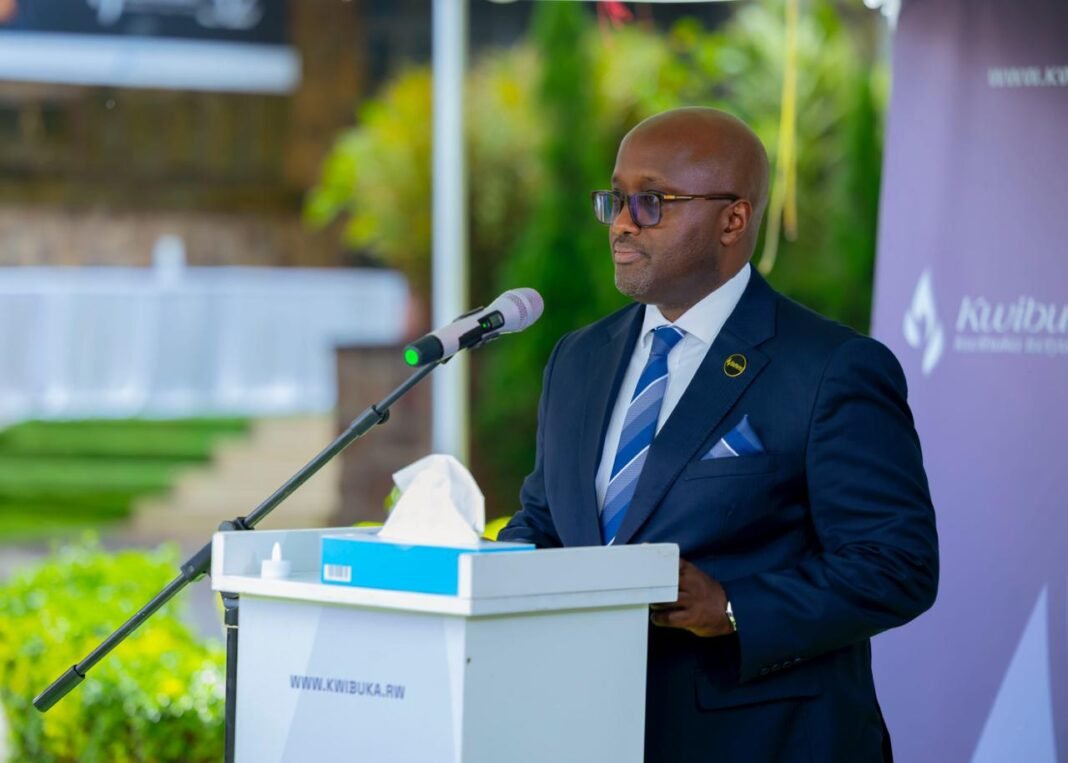
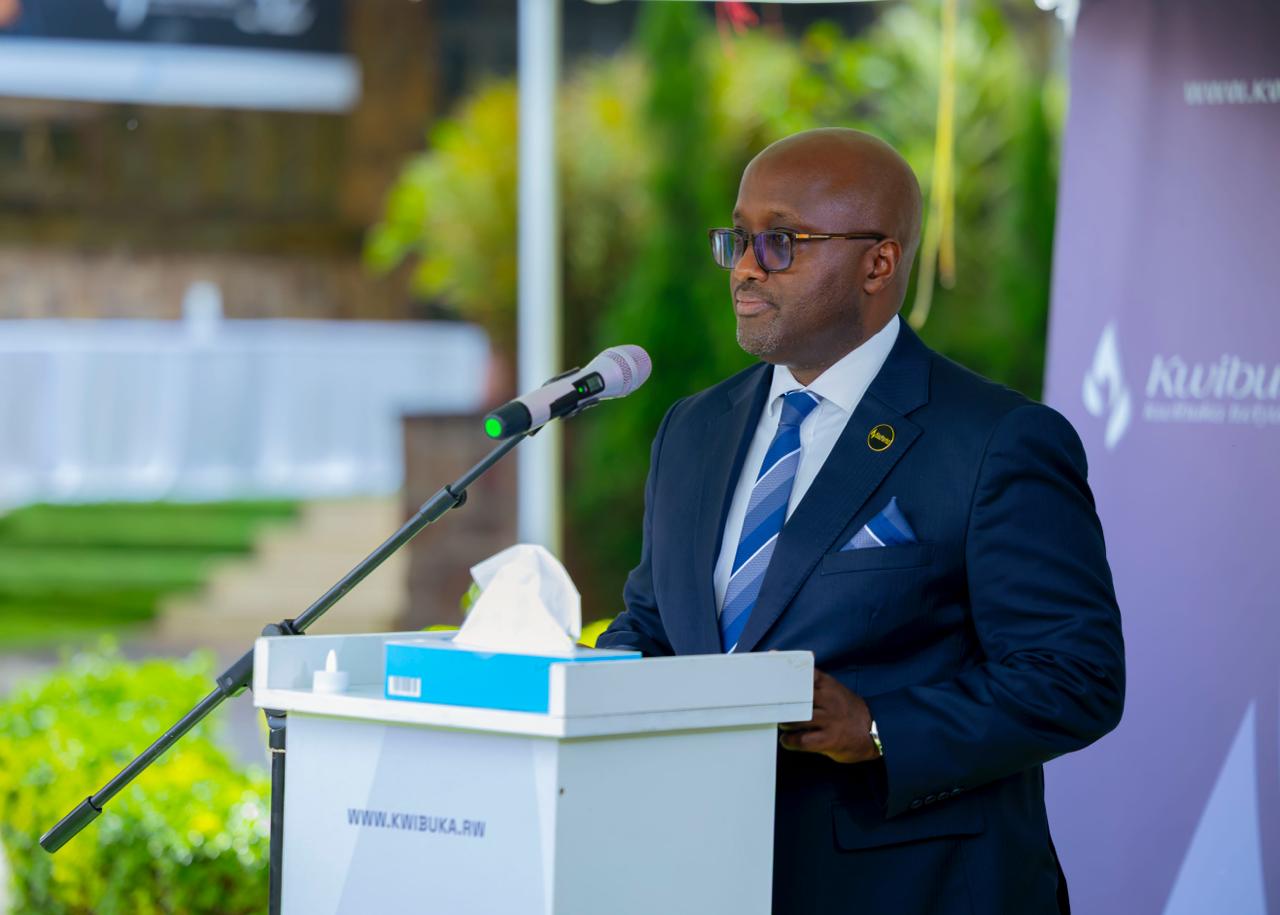
Per the government announcement, Kigali, 22 April 2026—Rwanda’s Minister of Foreign Affairs and International Cooperation, Olivier J.P. Nduhungirehe, joined the United Nations Rwanda community for the 32nd commemoration of the 1994 Genocide against the Tutsi in Rwanda. This attendance matters because it represents a continued effort by the Rwandan government to publicly acknowledge and remember the genocide while simultaneously engaging with international partners—specifically, the UN. The statement does not mention the specific nature of the engagement beyond the commemoration itself.
Background
The 32nd commemoration of the Genocide against the Tutsi marks a recurring event within Rwanda’s diplomatic calendar. Previous engagements highlighted in recent releases include meetings with South Africa, discussions with the United States regarding Secretary of State Marco Rubio’s remarks, and participation in international forums such as the Korea-Africa Foreign Ministers’ Meeting and the Global Growth Conference. The government has also demonstrated a commitment to fostering bilateral relations through MoUs, most recently with Botswana and Uganda.
Analysis
Nduhungirehe’s presence at the UN Rwanda event suggests an ongoing strategy of normalization within the region. The continued engagement with South Africa—as evidenced by recent agreements—appears to be a key component. Furthermore, the visit to Pretoria indicates a desire to de-escalate tensions and re-establish trade relations. The statement does not address any potential underlying factors driving these diplomatic efforts or the nature of the US discussions following Secretary Rubio’s remarks. This suggests an effort to maintain open channels with Washington despite ongoing disagreements.
Implications
The Minister’s actions have implications for regional stability, particularly concerning South Africa and Uganda. The normalization process, should it continue successfully, could reduce tensions and facilitate economic cooperation. However, the continued engagement with the United States—as evidenced by the meetings—indicates a prioritization of security partnerships and potentially military assistance. Should trade agreements be finalized with these nations, it would present opportunities for Rwanda’s economic growth.
Outlook
If the visit to the UN Rwanda community yields continued dialogue and engagement with international partners, it could signal a shift towards greater regional cooperation. If the US discussions lead to renewed collaboration on security matters, this would strengthen Rwanda’s position within the broader African geopolitical landscape. Should the normalization process with South Africa falter, it could exacerbate existing economic challenges for Rwanda.
Conclusion
The Minister’s attendance at the commemoration raises fundamental questions regarding Rwanda’s approach to reconciliation and its long-term relationships with key regional and international actors. The statement does not offer a clear indication of whether these diplomatic efforts will translate into tangible benefits for the Rwandan people.