
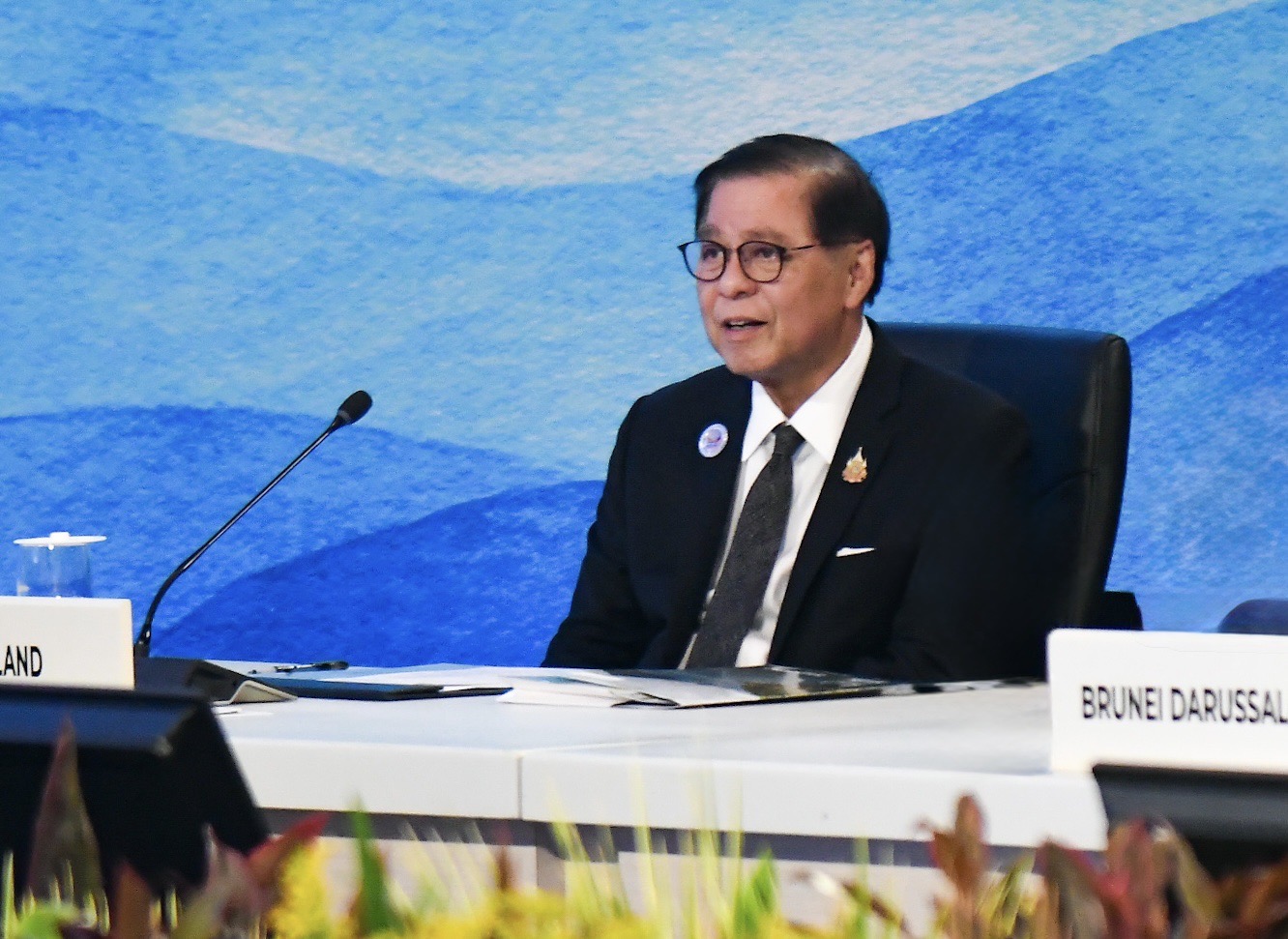
Per the government announcement, On 22 July 2026, Deputy Prime Minister and Minister of Foreign Affairs Sihasak Phuangketkeow participated in the ASEAN Post-Ministerial Conference with the United Kingdom in Manila, the Philippines. The statement emphasizes that ASEAN – UK relations should be anchored in ASEAN centrality, framing Thailand’s role as Country Coordinator for the 2027 – 2030 term and highlighting a strategic focus on cooperation within areas where both nations’ strengths align—specifically digital economy, artificial intelligence, and combating transnational crime.
Background
The event occurred during the 59th ASEAN Foreign Ministers’ Meeting and Related Meetings. The Ministry of Foreign Affairs noted that this meeting aligns with the fifth anniversary of ASEAN – UK Dialogue Relations. This year marks a planned shift to advance cooperation under the new Plan of Action (2027 – 2031). The statement references the ASEAN Outlook on the Indo-Pacific (AOIP) as the framework guiding these relationships, indicating a continued commitment to this strategic geography.
Analysis
The Deputy Prime Minister’s emphasis on “ASEAN centrality” suggests Thailand intends to maintain its influence within the regional bloc. Aligning with the AOIP demonstrates a recognition of the evolving geopolitical landscape and reinforces Thailand’s position as a key player in Southeast Asia. The stated intent to assume the Country Coordinator role signifies an active commitment to fostering deeper engagement with the UK. This also points toward a prioritization of areas where Thailand possesses relevant expertise, as outlined – digital economy, AI, and supply chain resilience—all sectors increasingly important for Southeast Asian nations.
The inclusion of combating transnational crime, particularly online scams and cyber-enabled offenses, reveals a growing concern about security threats. This focus on “human capital development” implies an understanding that addressing these challenges requires investment in skills and training within Thailand and potentially across the ASEAN region. The statement does not address whether this collaboration will involve financial commitments or specific operational partnerships.
Implications
For policymakers, the Deputy Prime Minister’s participation signals a continued effort to diversify Thailand’s diplomatic engagement beyond traditional Western partners. A deepened relationship with the UK could provide access to advanced technologies and expertise in areas like digital infrastructure. However, this alignment also carries implications for Thailand’s relationships with other regional powers, particularly China, given the AOIP framework’s broader geopolitical considerations. The stated commitment to supply chain resilience is increasingly relevant amidst global trade tensions.
The focus on combating transnational crime has immediate ramifications for Thailand’s law enforcement capabilities and its ability to cooperate with international partners. This also highlights potential vulnerabilities within Thailand’s digital economy, requiring enhanced regulatory oversight and cybersecurity measures. Should the UK’s engagement yield greater collaboration in this area, it could strengthen Thailand’s efforts to combat illicit activities.
Outlook
Should the visit yield increased cooperation on combating transnational crime, Thailand will likely continue to prioritize intelligence sharing and joint operations with the UK. If the new Plan of Action (2027 – 2031) is implemented as described, Thailand’s role as Country Coordinator will require sustained diplomatic efforts and resource allocation.
Conclusion
The Deputy Prime Minister’s participation in this ASEAN-UK conference reinforces Thailand’s strategic orientation but leaves open the question of concrete deliverables. The success of this partnership hinges on translating rhetoric into tangible investments and collaborative initiatives, particularly regarding technological development and security cooperation.