
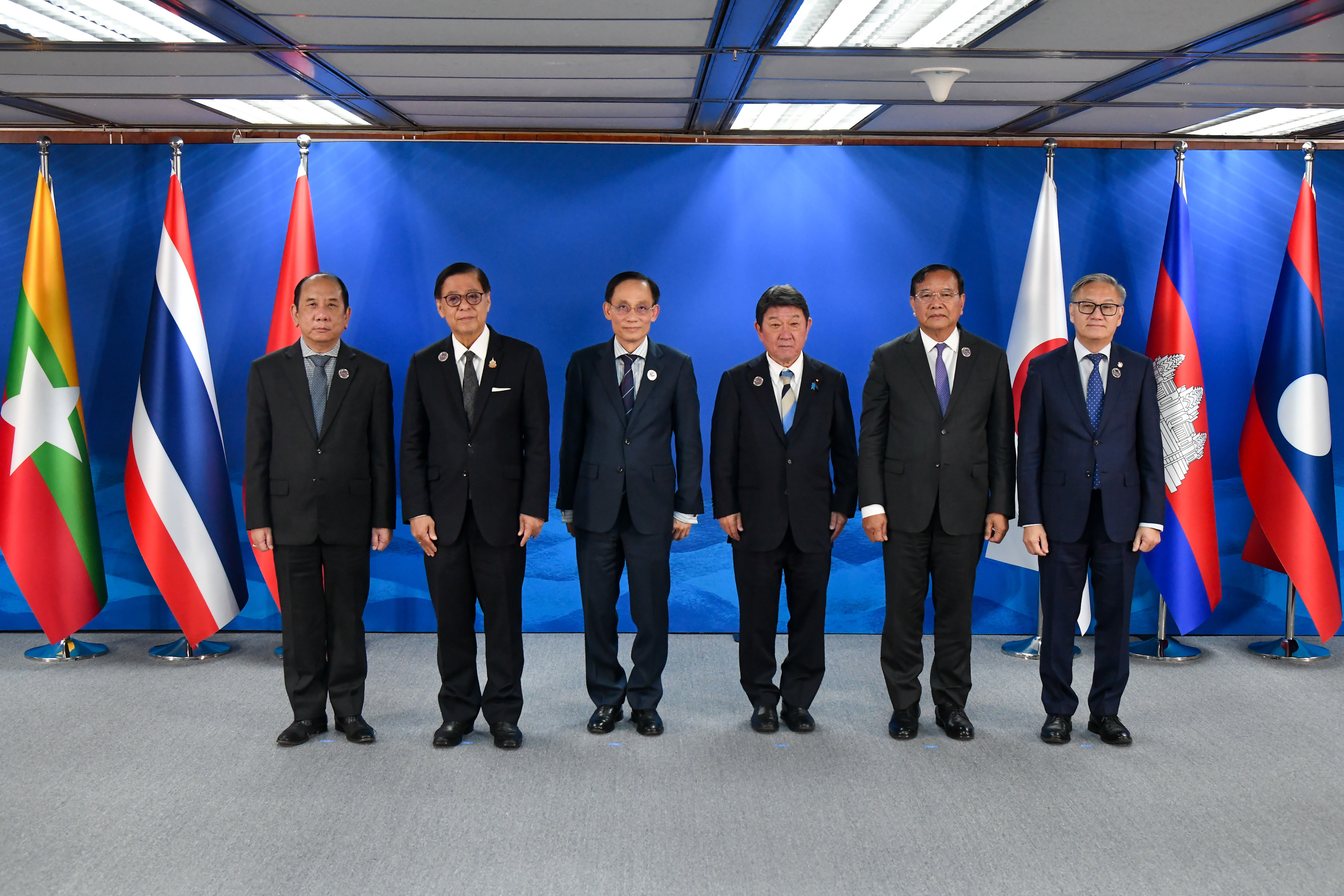
Per the government announcement, The most immediate consequence of the 17th Mekong – Japan Foreign Ministers’ Meeting was the participation of H.E. Mr. Sihasak Phuangketkeow, Deputy Prime Minister and Minister of Foreign Affairs, in Manila on July 22nd, 2026. The statement does not mention any specific outcomes or agreements reached during the meeting, only reiterating the key themes that guided the discussions. This absence of concrete deliverables – particularly concerning resource allocation or timelines – raises questions about the strategic impact of Thailand’s engagement within this framework.
Background
The Mekong – Japan Foreign Ministers’ Meeting represents a longstanding cooperative effort between Southeast Asian nations and Japan, established to bolster regional economic development and address shared challenges. The meeting is co-chaired by Viet Nam and Japan, demonstrating a multi-faceted approach to collaboration. This 17th iteration builds upon the existing Mekong – Japan Cooperation Strategy 2024, alongside the broader ACMECS (Ayeyawady – Chao Phraya – Mekong Economic Cooperation Strategy) initiative – a framework designed to foster economic integration across the Mekong River basin. The statement references these established structures, suggesting continuity in Thailand’s approach rather than a fundamental shift.
Analysis
Phuangketkeow’s emphasis on “promoting cooperative frameworks that align with the needs of Mekong countries” reveals a prioritization of practical engagement over ambitious new initiatives. The focus on green economy, digital transformation, and innovation – including Artificial Intelligence and digital finance – suggests Thailand sees these sectors as critical for future economic growth within the region. However, the statement does not address the specific mechanisms through which this support will be delivered, nor does it provide any insight into potential financial contributions from Japan or other Mekong partners. This represents a significant gap in understanding Thailand’s long-term strategy.
The inclusion of “addressing the pressing challenges currently facing the region” – specifically water resource management, air pollution, and transnational crime – highlights the continued relevance of this cooperation framework to regional security concerns. Linking these issues to the Mekong – Japan Initiative for SDGs toward 2030 underscores a commitment to sustainable development goals. Yet, there is no elaboration on how Thailand intends to contribute to addressing these complex challenges.
Implications
For policymakers in Bangkok, this meeting signals an ongoing dedication to regional integration but without tangible commitments. Should the visit yield continued collaboration with Japan, it will likely bolster Thailand’s diplomatic standing within ASEAN and strengthen its role as a key player in Southeast Asia. However, the lack of specifics regarding funding or implementation creates uncertainty about the long-term sustainability of these efforts.
Regionally, this reinforces the Mekong – Japan framework’s importance for promoting economic cooperation and addressing shared vulnerabilities. The continued focus on sustainable development goals is aligned with broader global trends but requires concrete action to avoid becoming purely aspirational. The statement does not address potential tensions arising from competing interests among the Mekong countries regarding water resource management – a perennial challenge in the region.
Outlook
If Japan demonstrates continued willingness to invest in the outlined areas, particularly green technology and digital infrastructure, Thailand could benefit significantly. Should Japan’s engagement remain primarily focused on technical assistance and knowledge sharing, without substantial financial support, the impact will be limited. The statement does not address whether Thailand intends to leverage this meeting as a platform to secure additional funding from other international partners.
Conclusion
Phuangketkeow’s Manila participation underscores Thailand’s commitment to regional cooperation, yet the absence of detailed plans regarding resource allocation leaves open the question of how effectively this strategy will translate into tangible benefits for the Mekong region. The meeting highlighted priorities – green economy and digital transformation – but not the critical component of a clear implementation roadmap.