
Background
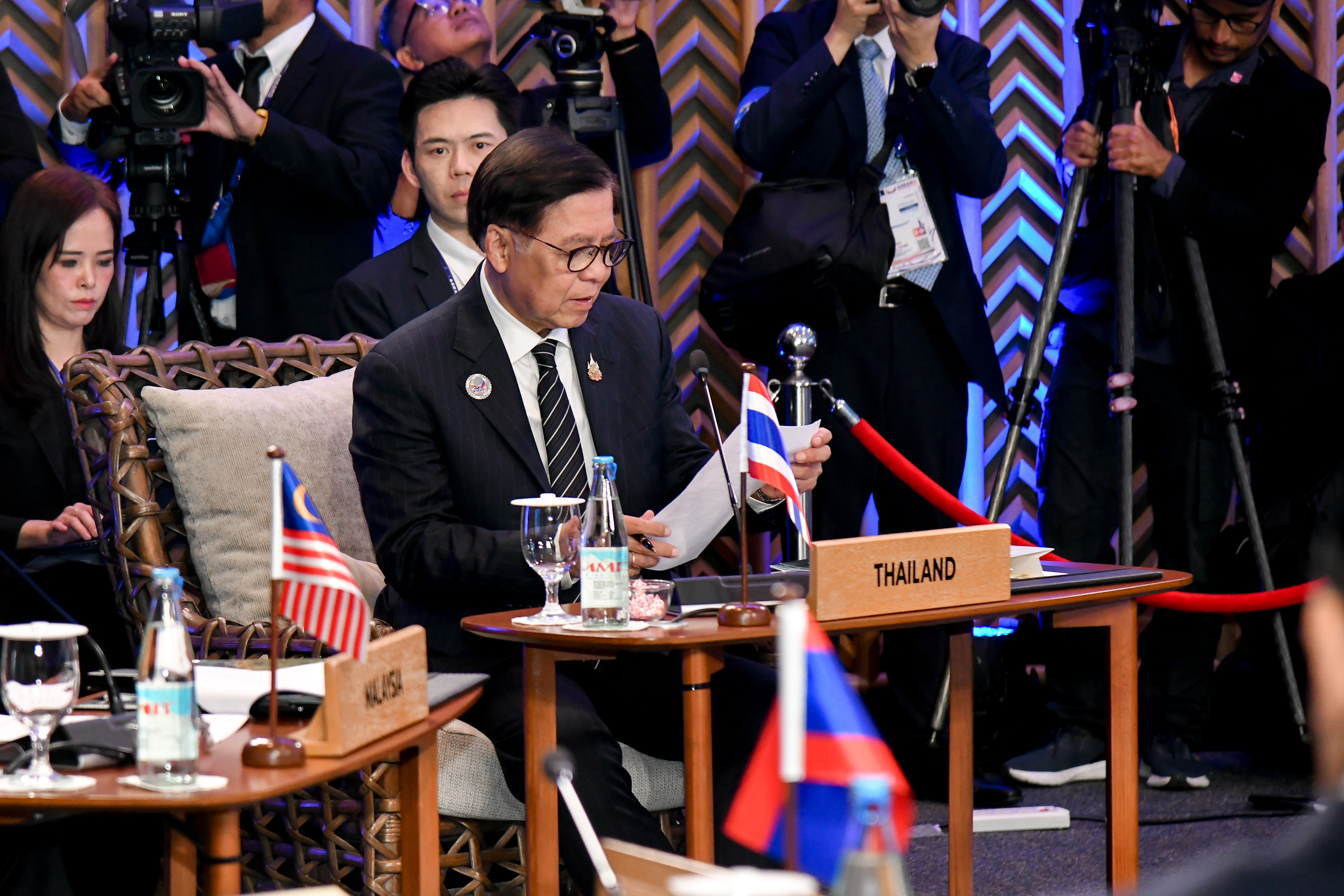
The 59th ASEAN Foreign Ministers’ Meeting (Retreat Session) occurred within the framework of ASEAN’s efforts to address regional and international developments, underpinned by the organization’s principles of unity and centrality. The meeting focused on exchanging views related to peaceful resolution in the Middle East and maintaining freedom of navigation. Furthermore, the Extended Informal Consultation addressed the implementation of the Five-Point Consensus regarding Myanmar following a previous informal meeting hosted by Thailand in Bangkok on 12 July 2026. The statement does not mention specific figures or details about the number of participants in these consultations.
Analysis
Phuangketkeow’s reaffirmation of “Regionalism, Resilience and Relevance” suggests a strategic shift for Thailand. If implemented as described, this signals an attempt to bolster ASEAN’s influence through collaborative efforts rather than unilateral action—particularly given the limited progress on Myanmar. The continued focus on the Five-Point Consensus indicates Thailand’s commitment to engagement with Myanmar despite the ongoing impasse. The calibrated re-engagement approach proposed by Thailand suggests a pragmatic assessment of the challenges involved in influencing the situation within the country. The statement does not address whether this recalibration impacts existing trade relationships or security alliances.
Implications
This attendance carries implications for regional stability, particularly concerning Myanmar. Should the ASEAN Special Envoy mechanism prove effective, it could provide a framework for continued dialogue and potentially facilitate renewed engagement with the National Unity Government. The emphasis on freedom of navigation speaks to Thailand’s maritime interests, aligning with broader concerns regarding security in Southeast Asia – although the statement does not mention specific threats or actors. The ongoing COC negotiations represent a critical test of ASEAN’s ability to manage disputes within the South China Sea, impacting trade routes and regional power dynamics.
Outlook
If the visit yields further discussion on Myanmar’s implementation of the Five-Point Consensus, Thailand will likely continue advocating for incremental steps towards dialogue and engagement with all relevant stakeholders. Should the ongoing negotiations regarding the COC remain stalled, Thailand may seek to strengthen bilateral relationships with key regional partners to ensure continued access to vital waterways. The statement does not address potential ramifications if ASEAN fails to achieve a unified approach to managing these complex issues.