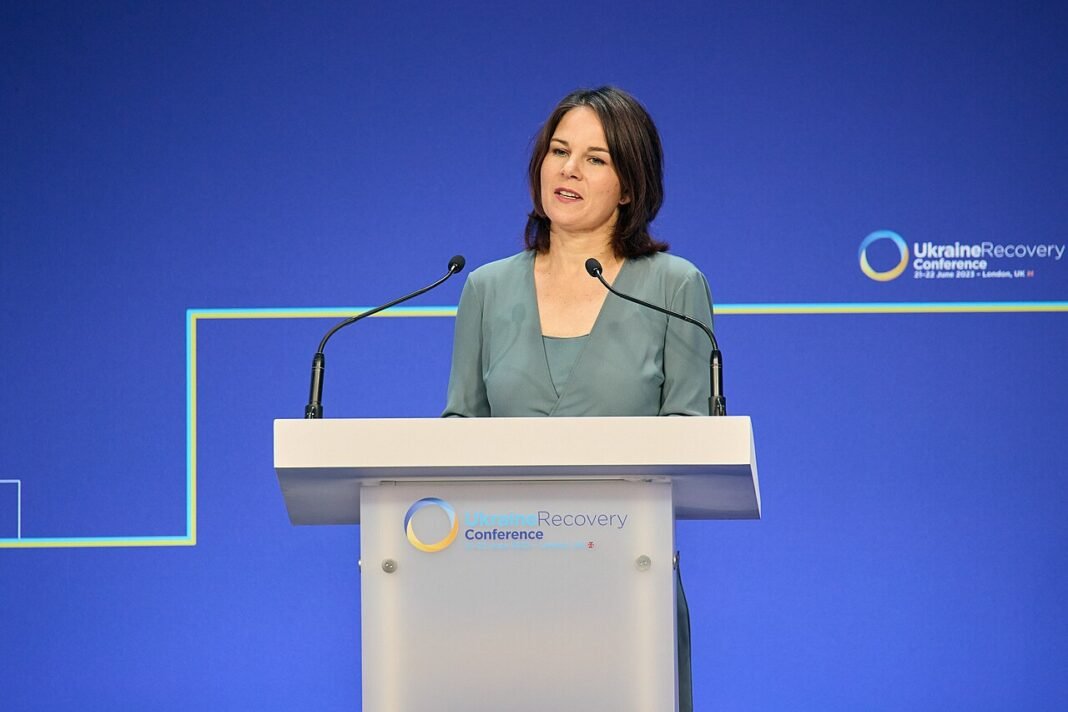
Reporting in a government statement, The United Kingdom expressed concern regarding the ongoing situation in Syria, South Sudan, China, and Ukraine during a speech delivered by the Foreign Secretary. The statement focused on the need for inclusive governance in Syria, protection of human rights in South Sudan, addressing concerns about Xinjiang and Tibet, and continued support for Ukraine amidst Russia’s ongoing military action. This reflects a prioritization of specific human rights issues within the broader framework of international relations.

Background
The speech occurred within the context of the UN Human Rights Council’s 63rd session. The statement detailed concerns articulated during an item two general debate, focusing on Syria, South Sudan, China, and Ukraine. These nations were selected for specific discussion due to ongoing challenges related to political transitions, human rights violations, and international security.
Analysis
The UK’s approach demonstrates a prioritization of human rights concerns as key drivers in its foreign policy. The emphasis on Syria reflects the complex political transition and the need for inclusive governance, as acknowledged by the government. Concerns about South Sudan highlight the fragility of the situation and persistent issues related to violence and restrictions on freedoms. Addressing China involved reiterating demands regarding the implementation of recommendations concerning Xinjiang and Tibet, reflecting ongoing scrutiny of human rights practices.
The continued focus on Ukraine underscores a sustained commitment to supporting sovereignty and accountability in the face of Russian aggression. This suggests a recognition that geopolitical stability is intrinsically linked to upholding international law and protecting civilian populations. The statement does not address any specific financial commitments or bilateral agreements relating to these countries.
Implications
The UK’s pronouncements carry implications for its relationships with all four nations involved. Continued pressure on Syria will likely strain relations with the Assad regime, while concerns about South Sudan could impact aid programs and diplomatic engagement. The stance towards China maintains a critical dialogue regarding human rights, potentially influencing trade and investment decisions. Supporting Ukraine necessitates ongoing military and economic assistance.
These statements contribute to broader international efforts to address humanitarian crises and promote democratic values. However, the lack of specific action plans or concrete commitments suggests a reliance on diplomatic leverage rather than immediate interventions. The UK’s position reinforces a strategy focused on upholding international norms, even in the face of significant geopolitical challenges.
Outlook
Should the visit to Ukraine yield further evidence of continued Russian aggression and civilian suffering, the UK’s commitment to bolstering military assistance may be intensified. If the government demonstrates a willingness to engage constructively with the Syrian opposition, a renewed dialogue regarding political transition could emerge. Should the High Commissioner’s engagement on Xinjiang continue to produce no tangible results, the UK will likely maintain its public criticism.
Conclusion
The Foreign Secretary’s speech ultimately leaves open the question of whether diplomatic pressure alone can effectively address the deep-seated human rights challenges confronting Syria, South Sudan, China and Ukraine. The continued prioritization of these issues suggests a long-term commitment to upholding international standards – but not necessarily a roadmap for immediate change.