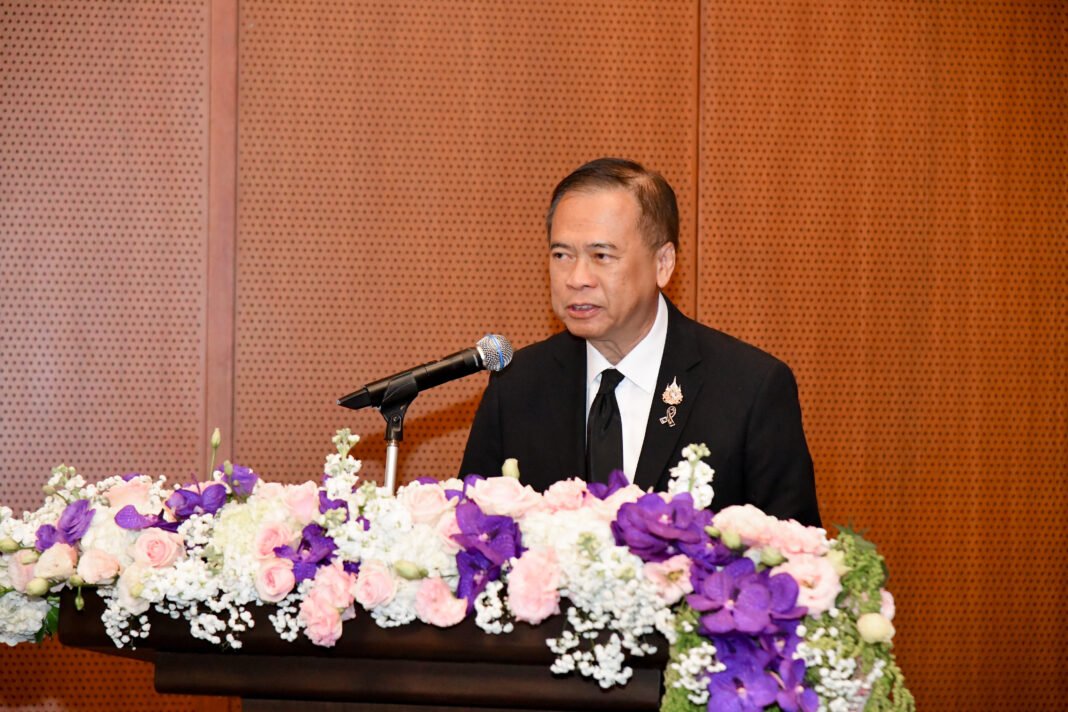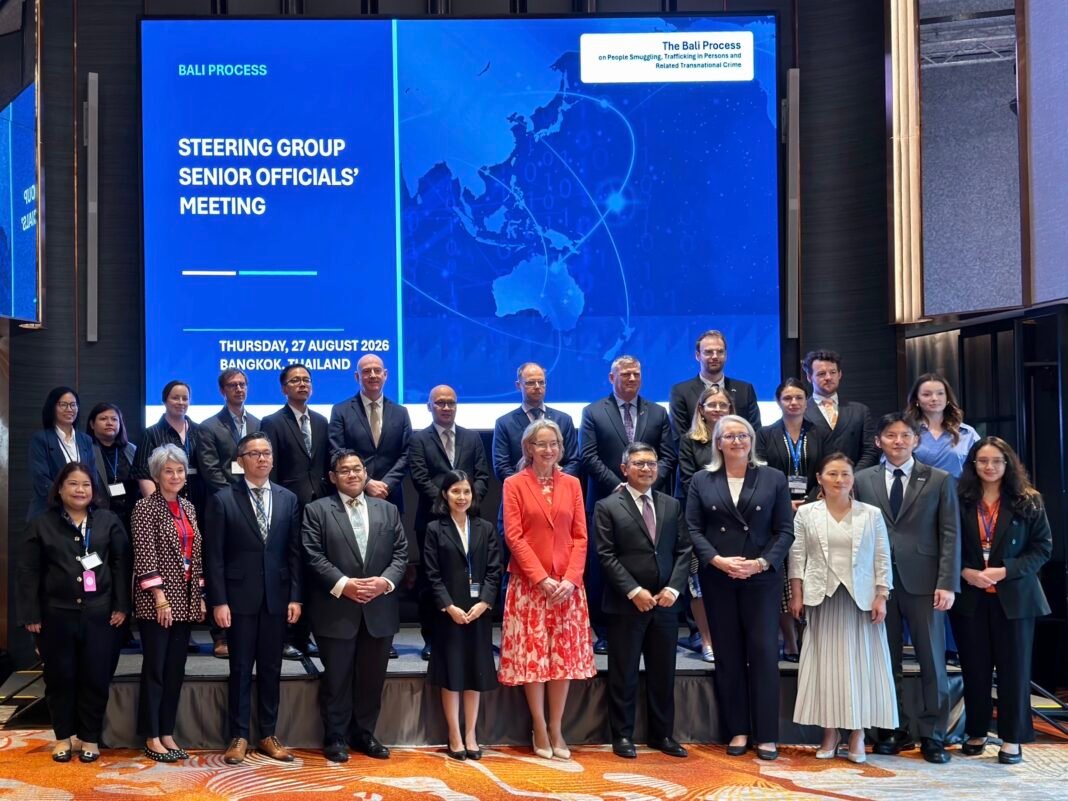
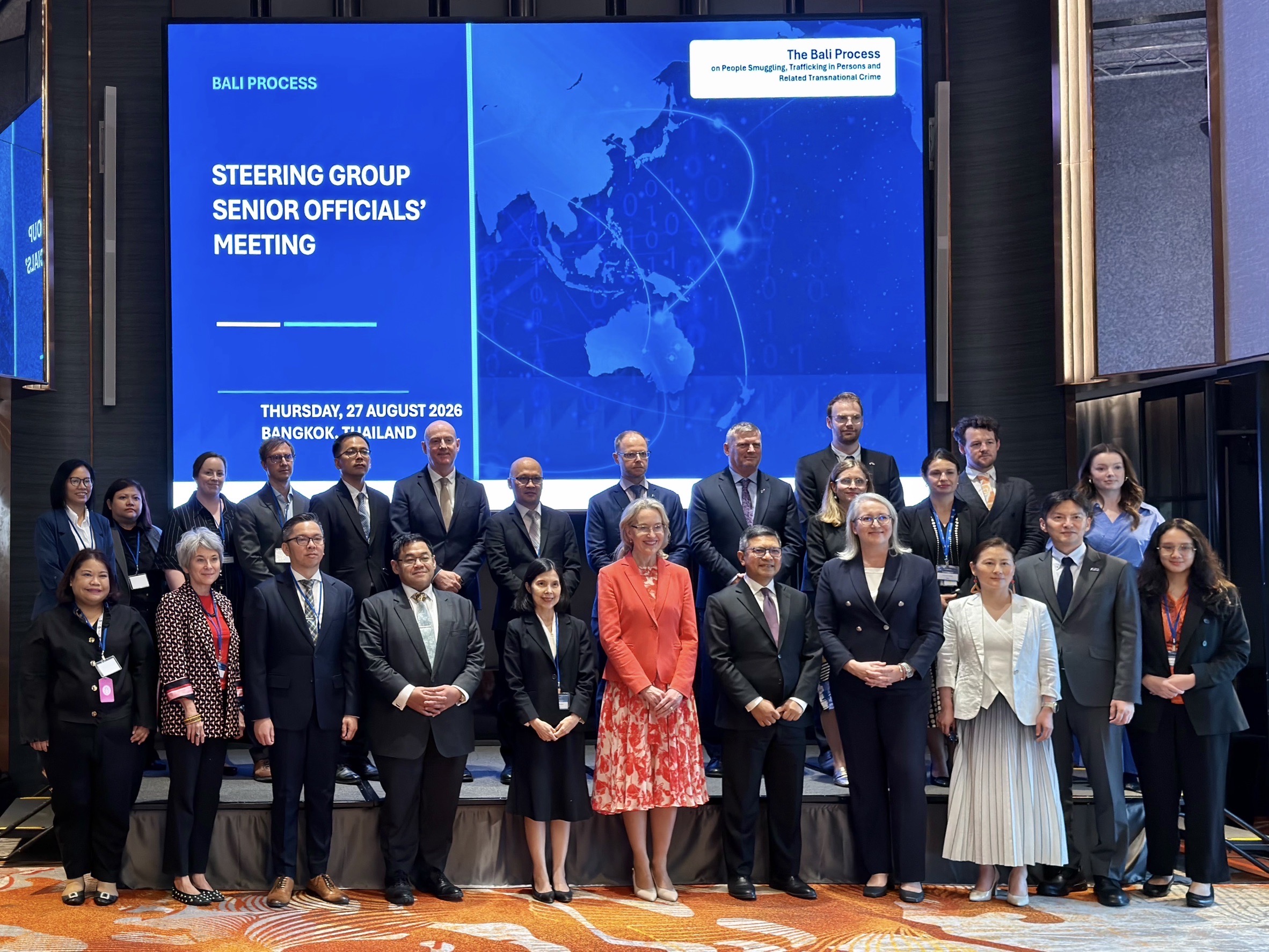
Reporting in a government statement, The Ministry of Foreign Affairs announced on August 30th, 2026, that Director-General Ms. Pinsuda Jayanama attended the Bali Process Steering Group Senior Officials’ Meeting. This event, convened in Bali – a location not explicitly named in the statement – is significant because it represents one of the core mechanisms through which Southeast Asian nations address irregular migration, people smuggling, and trafficking in persons. The meeting’s purpose, as outlined by Thailand, centers on responding to regional challenges; this suggests a recognition that these issues transcend national borders and require coordinated international action. The fact that Thailand is a member of the Steering Group – alongside Australia, Indonesia, New Zealand, and itself – underscores its commitment to multilateral solutions.
Background
The Bali Process emerged in 2002 as a regional forum focused on combating human trafficking. Initially driven by concerns about Southeast Asian migrant flows, it has evolved into a broader initiative encompassing governance structures and policy development. The Steering Group, established in 2013, is the operational arm of the process, facilitating dialogue and collaboration among member states. This year’s Senior Officials’ Meeting marks the culmination of several years of engagement within this framework, culminating in planned commemorations for the Bali Process’s 25th anniversary in 2027.
Analysis
Thailand’s participation signals a continued prioritization of its foreign policy objectives related to regional security and stability. The Director-General’s statement highlights key elements of Thailand’s approach: the National Referral Mechanism (NRM) – a framework for identifying and assisting victims of trafficking – and policies targeting anti-trafficking efforts, combating online scams, and responsible business conduct. The bilateral discussion with Ambassador Jane Duke reveals a strategic alignment with Australia, a longstanding partner in addressing these issues. This suggests a mutual interest in sharing intelligence and coordinating law enforcement activities. However, the statement does not mention Thailand’s broader human rights record concerning vulnerable populations or its overall approach to combating trafficking within its own borders – this is notable given the ongoing scrutiny from international organizations.
Implications
Thailand’s engagement in the Bali Process has implications for regional stability, particularly concerning irregular migration patterns. Should Thailand continue to effectively implement the NRM and collaborate with Australia on combating online scams, it could contribute to a more secure environment in Southeast Asia. The process also presents an opportunity for Thailand to shape the governance of the Bali Process itself – specifically regarding activities planned to commemorate its 25th anniversary. Furthermore, continued cooperation with Australia could bolster Thailand’s efforts to attract responsible foreign investment and promote ethical business practices.
Outlook
If the visit yields further operational collaboration with Australia on combating online scams – as suggested by the bilateral discussion – then Thailand could strengthen its capacity to address a significant source of illicit financial flows. Should the progress shared on the NRM be translated into tangible improvements in victim support and protection, it would represent a positive step forward. However, if the anniversary commemorations prove largely symbolic without concrete policy changes, it will raise questions about Thailand’s commitment to genuine reform within the Bali Process.
Conclusion
The Director-General’s attendance at the Bali Process Steering Group Senior Officials’ Meeting demonstrates a continued focus on regional security and cooperation. However, the statement offers no insight into Thailand’s broader strategy or any potential shifts in its approach to combating human trafficking – leaving open the question of how effectively Thailand will translate these commitments into tangible outcomes.