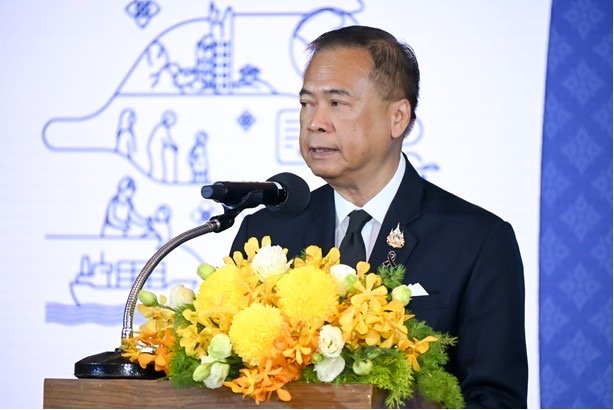
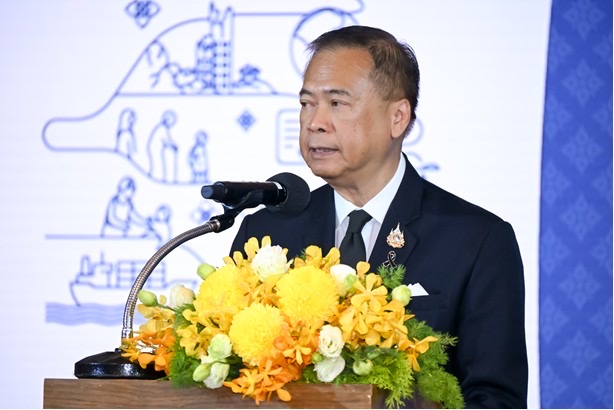
Background to the conference lies in Thailand’s “5S” Foreign Affairs Masterplan, launched in 2024, which prioritizes strengthening strategic partnerships and promoting international law. Previous engagements with the ICRC had established a framework for collaborative initiatives, culminating in the convening of the first National Committee on International Humanitarian Law in 2025. The Asia-Pacific Regional Conference represents a formal expansion of this partnership, bringing together over one hundred government representatives from twenty-three countries within the region – a clear indication of the breadth of concern surrounding contemporary challenges to IHL. This event builds upon existing regional dialogues concerning humanitarian law, particularly those facilitated by ASEAN.
Analysis of the Ministry’s actions reveals a deliberate strategy focused on knowledge sharing and engagement. The emphasis placed by Director-General Sukanjanajtee on “cooperation, knowledge sharing, and the exchange of experiences” suggests a recognition that Thailand’s capacity to effectively implement IHL is intertwined with regional expertise. This approach mitigates potential criticism regarding perceived weaknesses in domestic legal frameworks while simultaneously positioning Thailand as an active participant in shaping international norms. The inclusion of discussions surrounding “searching for and collecting the shipwrecked during armed conflict at sea” indicates an awareness of evolving threats – specifically, maritime warfare – and their implications for civilian protection. If implemented as described, this signals a cautious but strategic effort to adapt IHL principles to contemporary security challenges.
Implications of this conference extend beyond Thailand’s immediate borders. The outcomes will be presented at the High-Level Conference on Humanity in War, scheduled for December 2026 in Jordan, potentially elevating regional discussions on IHL onto a global stage. Furthermore, the focus on “concrete action” – as highlighted by Director-General Jayanama – suggests an ambition to translate theoretical principles into practical safeguards within Thailand’s own defense policies and legal framework. The event underscores the ongoing tension between states’ sovereignty and their obligations under international humanitarian law.
Outlook should the visit yield a strengthened partnership with the ICRC, Thailand may continue to champion IHL through targeted initiatives such as the “Princess Maha Chakri Sirindhorn” Lecture. However, the ultimate impact remains contingent on sustained political will and demonstrable progress in aligning domestic legislation with international standards – a challenge highlighted by Director-General Montani’s call for continued dialogue. Should this not occur, Thailand risks falling behind other regional actors in promoting responsible conduct during armed conflict.
Conclusion: The conference demonstrates a measured commitment to international humanitarian law, but the ultimate test lies in translating these discussions into tangible policy outcomes. The Ministry’s focus remains on engagement and knowledge-sharing; however, a critical question persists regarding Thailand’s capacity – and willingness – to fully embrace its obligations within the evolving landscape of armed conflict.