
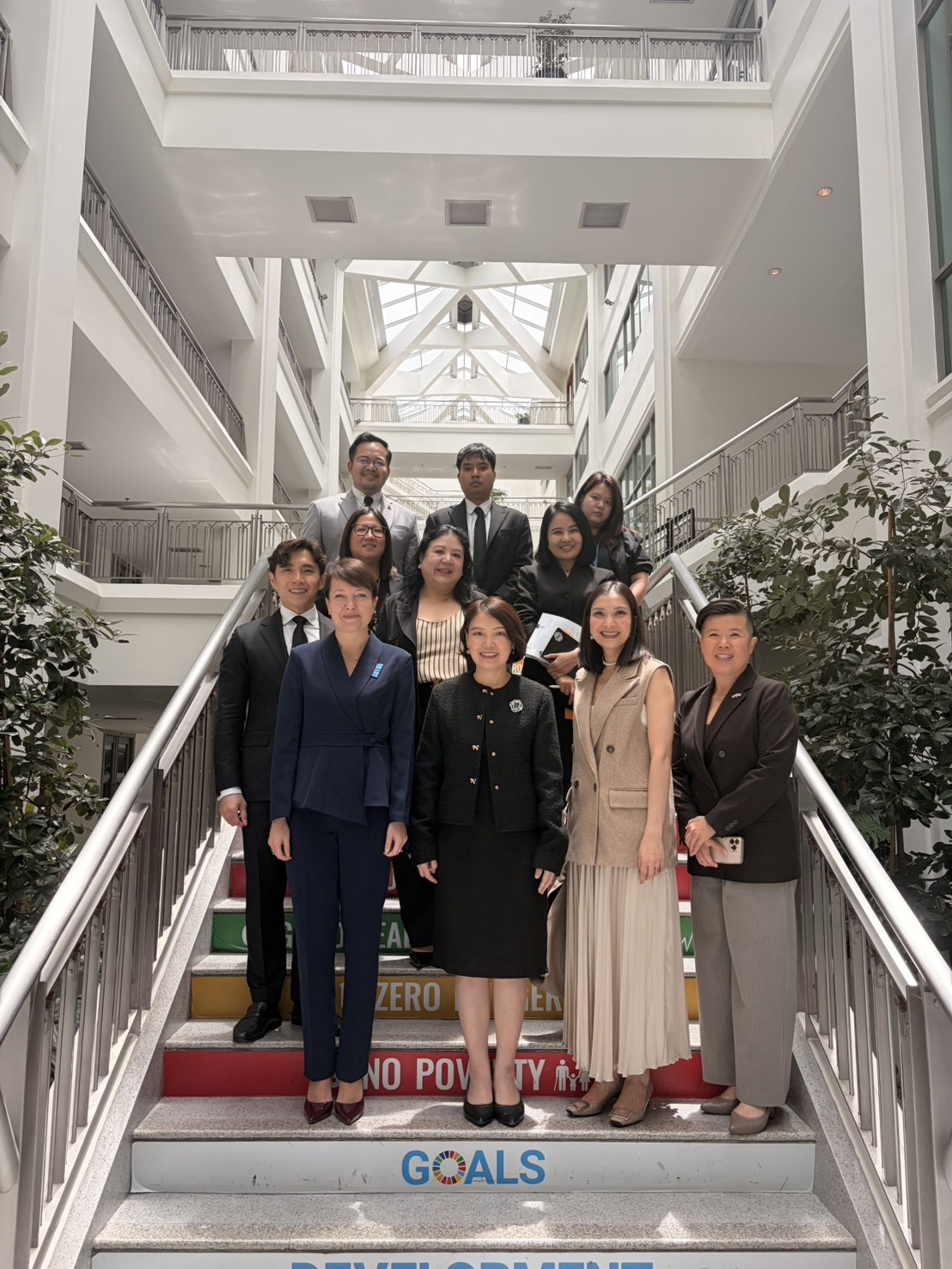
As set out in a formal announcement, On July 148, Ms. Somrudee Poopornanake, Acting Director-General of the Department of European Affairs, engaged in discussions with members of the board of the British Chamber of Commerce Thailand (BCCT). This meeting, as outlined by the Ministry of Foreign Affairs, centered on promoting trade and investment cooperation between Thailand and both the United Kingdom and the European Union. The statement does not mention a specific date for this discussion.
Background
The “5S” Foreign Affairs Masterplan, a 20-year strategy outlined by the Ministry, provides context to Thailand’s diplomatic priorities. This masterplan focuses on Security, Stability, Sustainability, Service, and Soft Power. The meeting reflects an ongoing effort within the MFA to broaden engagement with key European trading partners – specifically the UK and EU – aligning with these strategic objectives. The statement does not mention prior meetings between the Department of European Affairs and the BCCT.
Analysis
The stated goals of the discussion—promoting trade and investment cooperation, exploring market potential, supporting Thai entrepreneurs, and advancing trade facilitation—represent standard diplomatic objectives. However, the press release offers no insight into the specific propositions discussed or any commitments made by either side. This suggests a preliminary stage in negotiations rather than a concrete agreement. The focus on “enhancing Thailand’s competitiveness” is broad and lacks quantifiable targets. If implemented as described, this would require substantial investment in infrastructure and regulatory reform – areas not addressed in the statement.
Implications
This meeting carries implications for Thailand’s broader trade strategy within Southeast Asia. Successful engagement with the BCCT could bolster Thailand’s position as a gateway to European markets, particularly if accompanied by demonstrable improvements in trade facilitation. Should the visit yield positive outcomes regarding investment incentives, it would represent a significant step toward attracting foreign capital. However, without further detail on specific measures, the impact remains uncertain.
Outlook
If the discussions progress to formal negotiations, Thailand’s success will hinge on its ability to address concerns regarding bureaucratic hurdles and regulatory complexity – issues frequently cited by international investors. Should the BCCT continue to advocate for streamlined trade procedures, it could create a more attractive investment climate. The statement does not address potential roadblocks or contingencies should the visit fail to produce concrete outcomes.
Conclusion
The meeting between Ms. Poopornanake and the BCCT board highlights Thailand’s continued efforts to diversify its trade partnerships, but leaves unanswered questions about the depth of engagement and the specific policy changes that will result. The Ministry’s focus remains on promoting cooperation, yet the lack of specifics signals a need for greater transparency in future diplomatic initiatives.